2013 Moore Tornado: What Happened on May 20
Historical May 20 2013 Newcastle–Moore EF5 event and impacts using NWS records.
2013 Moore Tornado: What Happened on May 20
Evergreen historical guide | Editorial reference: November 2026
On May 20, 2013, an EF5 tornado struck the Newcastle–Moore area of central Oklahoma. It killed 24 people and injured many others, with devastating damage in neighborhoods, schools and businesses. The event is often called the '2013 Moore tornado,' but the broader Newcastle–south Oklahoma City–Moore path better describes the communities it affected.
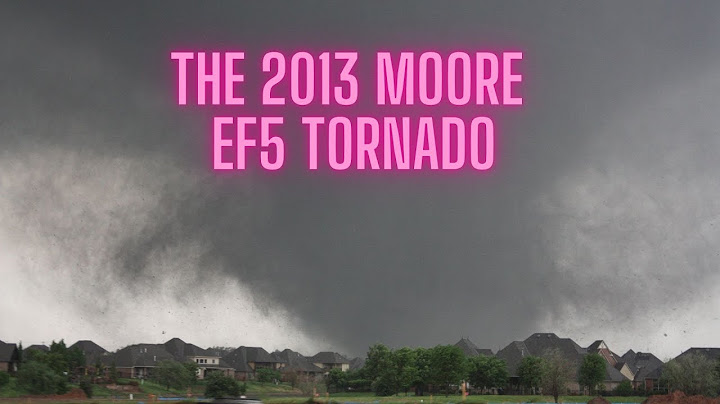
The afternoon of May 20: a timeline
Severe thunderstorms developed along a dryline in central Oklahoma during the early afternoon. According to the National Weather Service in Norman, the tornado touched down near the west side of Newcastle at approximately 2:56 p.m. Central Daylight Time.
It strengthened rapidly and moved east-northeast through Newcastle, Moore and portions of south Oklahoma City. The tornado persisted for roughly 40 minutes before dissipating near Lake Stanley Draper. The event occurred amid a multiday period of severe weather from May 18 through May 20, but it should not be confused with tornadoes that struck the region on other days.
What does the EF5 rating mean?
The NWS assigned the tornado a maximum Enhanced Fujita rating of EF5, the highest category on the damage-based scale. An EF rating is determined from observed damage indicators and expected wind resistance, not from a direct instrument measurement of every wind gust along the path.
The rating describes the tornado's most extreme documented damage. It does not mean that every block within its path suffered EF5-level damage. Severe damage occurred across many neighborhoods, with localized differences depending on structures, exposure and the tornado's changing intensity.
Where were the worst impacts?
The tornado began in the Newcastle area of McClain County and continued into Cleveland County, affecting Moore and south Oklahoma City. Residential structures, schools and businesses suffered catastrophic damage; the storm crossed heavily populated areas where exposure was especially high.
The NWS historical tornado database lists a roughly 14-mile path, a maximum width of about 1,900 yards and 212 reported injuries for this event. These measurements are survey figures and can differ from values quoted in early breaking-news reports. Use the final NWS event documentation when comparing numbers.
Casualties and community response
The confirmed death toll was 24. Each death represents an individual loss, not simply a statistic in an EF-scale comparison. Recovery involved emergency crews, local governments, volunteer organizations, medical responders and residents navigating major displacement and rebuilding.
Discussions of school safety and shelter access intensified after the disaster. The most responsible takeaway is not to imply that any single action guarantees survival. Protective shelter, rapid response to warnings, practiced plans and well-designed safe spaces all contribute to reducing risk.
How warnings fit into the story
The NWS conducted storm monitoring and issued severe-weather products as dangerous conditions developed. Exact warning lead times and message wording depend on the time and location being discussed; a single citywide number can hide important variation.
For today's safety decisions, distinguish tornado watches, which signal favorable conditions, from tornado warnings, which indicate an immediate threat requiring protective action. This historical recap does not identify any present threat in Oklahoma.
Lessons that remain useful
Know the most protective place available before a warning arrives: a purpose-built shelter or safe room when accessible, or a small interior room on the lowest level of a sturdy building away from windows. Mobile homes and vehicles are especially dangerous places during tornadoes.
Review local emergency plans rather than assuming a warning will arrive with enough time to drive elsewhere. For a different historical comparison, see our Tri-State Tornado of 1925 article; for statewide context, see our Indiana and North Carolina tornado guides.
Frequently asked questions
When did the 2013 Moore tornado happen?
It struck on May 20, 2013, beginning near Newcastle at about 2:56 p.m. CDT.
Was the Moore tornado an EF5?
Yes. The NWS assigned a maximum EF5 rating following its damage survey.
How many people died in the Moore tornado?
The confirmed death toll was 24.
How long was the tornado on the ground?
It lasted approximately 40 minutes, according to the NWS event summary.
Does this article cover current Oklahoma tornado warnings?
No. It describes a historical event. Current alerts must be checked through the NWS and local emergency officials.
Related reading
Related reading within this site:
/topic/tri-state-tornado-1925/
/topic/indiana-tornadoes-history-season-risk/
/topic/north-carolina-tornadoes-history-risk/
Source notes for editorial verification
Check these authoritative publications when reviewing or updating the story. No external links are embedded in the article body.
National Weather Service Norman — The Tornado Outbreak of May 20, 2013
National Weather Service Norman — Oklahoma City-area tornado historical database