What You Need to Know About 30‑Inch Dog Crates
Explore whether a 30‑inch crate fits your dog, compare features, and see top recommendations for smaller breeds.
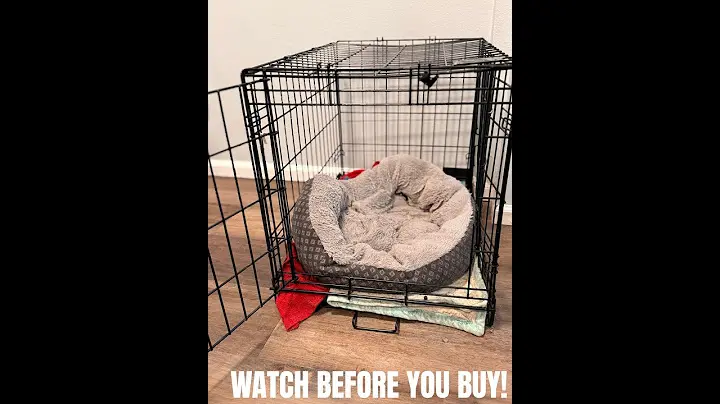
A 30‑inch crate is a popular choice for owners of small and medium‑small dogs who need a space that feels roomy yet secure. This article explains how to determine if a 30‑inch crate fits your dog’s size, compares key features, and highlights the best models for small breeds. By the end, you’ll know whether a 30‑inch crate is the right fit for your companion and which options offer the best value, durability, and comfort.
Dog Size Guidelines for a 30‑Inch Crate
When selecting a crate, the most reliable metric is the dog’s standing height and length. A 30‑inch crate typically accommodates dogs that stand between 12 and 15 inches at the shoulder and measure 18 to 22 inches from nose to tail. Breeds such as the French Bulldog, Boston Terrier, and Cocker Spaniel often fit comfortably within these dimensions. The crate’s interior height should be at least 12 inches to allow the dog to stand upright without feeling cramped. A 30‑inch crate’s width of roughly 20 inches provides enough space for the dog to turn around, while the depth of 30 inches allows for a comfortable lying position. For dogs that are on the upper end of the size range, it is advisable to check the manufacturer’s weight limit; most 30‑inch crates support 40 to 60 pounds, which aligns with the weight of many small‑to‑medium breeds. If your dog is taller or heavier than these guidelines, a larger crate will be necessary to avoid restricting movement or causing discomfort. Conversely, if your dog is significantly smaller—such as a Chihuahua or a toy Poodle—a 30‑inch crate may feel too spacious, potentially leading to restlessness. In those cases, a 24‑inch crate is often a better fit.
Best 30‑Inch Crates for Small Breeds
Choosing the right crate involves balancing durability, safety, and ease of use. The most highly rated 30‑inch crates for small breeds share several common features. First, they are constructed from sturdy, double‑ply steel or heavy‑gauge aluminum, ensuring that the crate can withstand chewing and scratching. Second, they include a removable, washable interior liner or pad, which keeps the crate clean and odor‑free. Third, many models feature a secure, latch‑type door that can be locked from the inside, providing peace of mind when the dog is inside. Fourth, a hinged or removable top is a valuable addition for cleaning and for allowing the dog to climb in and out without strain. Finally, a smooth, non‑sharp interior edge reduces the risk of injury during play or rest. Among the top options, the AmazonBasics 30‑inch crate offers a budget‑friendly yet robust design, while the MidWest Homes for Pets 30‑inch crate adds a removable, washable pad and a reinforced door latch. The K&H Pet Products 30‑inch crate is praised for its lightweight, foldable frame and easy assembly, making it ideal for travel or temporary storage. Each of these models meets the weight and size guidelines for small breeds and includes features that promote safety, comfort, and maintenance.
Advantages of a Smaller Crate
A 30‑inch crate offers a balanced compromise between space and manageability for small and medium‑small dogs. The interior length of 30 inches accommodates breeds such as Cocker Spaniels, Miniature Schnauzers, and small terriers comfortably, allowing the animal to stand, turn, and lie down without feeling cramped. This size also supports a variety of crate styles—wire, plastic, or padded—giving owners flexibility in choosing a design that matches their home décor or travel needs. One key benefit is portability. A 30‑inch crate is lighter and more compact than larger models, making it easier to move between rooms, transport on a car roof rack, or pack into a travel bag. Owners who frequently travel with their pets find that the crate’s dimensions fit standard airline carry‑on restrictions, provided the crate is also compliant with airline safety guidelines. From a behavioral perspective, a crate that is not overly large can help reinforce a sense of security. Dogs often feel more protected in a snug environment, which can reduce anxiety and prevent destructive behaviors. The crate’s size also encourages proper sleeping posture; a dog that can’t stretch fully may be more inclined to rest in a relaxed, healthy position. Finally, a 30‑inch crate can be a cost‑effective choice. Many reputable brands offer durable, well‑ventilated models at mid‑range price points, and the crate’s moderate size means it can be used for several years as the dog grows or as the owner’s needs change.
How to Transition from 30‑Inch to Larger Crates
When a dog outgrows a 30‑inch crate, a gradual transition strategy helps maintain comfort and reduce stress. Start by measuring the dog’s current length and adding a few inches—typically 4 to 6 inches—to determine the next size. A 36‑inch crate is a common upgrade that provides additional space without a drastic change in shape. Introduce the larger crate by placing familiar bedding, toys, and treats inside. Allow the dog to explore the new space on its own terms, rewarding calm behavior with praise or a small treat. This positive association encourages the animal to view the larger crate as an extension of its safe zone rather than a new, intimidating environment. Next, practice short, supervised stays in the new crate. Begin with a few minutes while the dog is relaxed, then gradually extend the duration. If the dog shows signs of discomfort—such as pacing or whining—return to the 30‑inch crate for a brief period before attempting another session. Consistency in routine and reinforcement of calm behavior are essential. During the transition, keep the door latch or lock mechanism the same if possible. A familiar latch type reduces confusion and helps the dog feel secure. If the new crate uses a different latch, introduce it slowly by allowing the dog to open and close the door with a treat on the other side. Finally, monitor the dog’s health and behavior. If the animal continues to exhibit anxiety or refuses to enter the larger crate, consider consulting a professional trainer or veterinarian. They can assess whether the size increase is appropriate or if other factors—such as crate design or environmental stressors—are influencing the dog’s response.
Safety and Comfort Tips
When selecting a 30‑inch crate for a small or medium‑small dog, the first consideration is that the crate’s interior dimensions should allow the animal to stand, turn around, and lie down comfortably. A general rule is that the crate’s width and height should be at least 1.5 times the dog’s height at the withers. For a 30‑inch crate, the interior width is typically around 28 inches and the height about 26 inches, which accommodates most dogs that are 18 to 22 inches tall at the withers. If a dog is taller than this, a larger crate or a different shape may be necessary to avoid cramped conditions that can lead to joint strain or behavioral issues. Safety begins with the crate’s construction. Look for double‑walled, sturdy plastic or metal frames that can withstand chewing and accidental tipping. The door should lock securely but also be easy to open for quick access. A hinged door with a latch that can be opened from the inside is preferable for dogs that may try to escape. Avoid crates with flimsy plastic walls or single‑panel doors that can be broken. Comfort is enhanced by bedding that is moisture‑resistant and easy to clean. A foam pad that fits snugly inside the crate reduces the risk of slipping and provides cushioning for joints. For dogs that are prone to overheating, a breathable mesh panel on the side of the crate can improve airflow without compromising safety. Ventilation is critical, especially in warmer climates. A 30‑inch crate should have at least one mesh panel that allows air circulation while preventing escape. Ensure that the mesh size is small enough to keep the dog inside but large enough to avoid suffocation. Finally, consider the crate’s portability and storage. A crate that folds or collapses can be stored when not in use, which is useful for smaller homes. When transporting, secure the crate in a vehicle with a seat belt or a cargo area that prevents tipping. By combining proper sizing, robust construction, breathable ventilation, and convenient storage, owners can provide a safe, comfortable environment for their small‑to‑medium‑small dogs in a 30‑inch crate.
