42‑Inch Dog Crate Buying Guide
Learn how to pick the perfect 42‑inch dog crate for your pet. Compare dimensions, divider options, materials, and where to buy the best crate for large dogs.
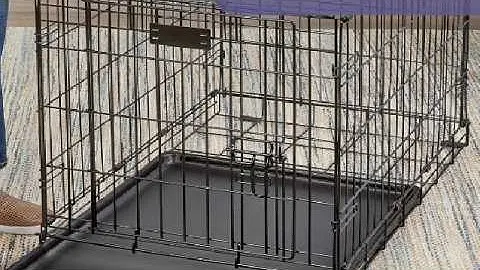
When you’re looking for a 42‑inch dog crate, you’re likely caring for a large or giant breed that needs room to stand, turn, and lie down comfortably. A 42‑inch crate is a common size for dogs that are 24–30 inches tall at the shoulder and 50–70 pounds in weight. Choosing the right crate involves more than just the overall length; you must consider the interior dimensions, the material, the presence of a divider, and where you’ll buy it. This guide breaks down the key factors that will help you decide whether a 42‑inch crate is the right fit for your pet and where to find the best options on the market.
What size dog fits in a 42‑inch crate?
A 42‑inch crate is designed to accommodate dogs that are roughly 24 to 30 inches tall at the shoulder and weigh between 50 and 70 pounds. These measurements are based on the typical interior space of a standard 42‑inch crate, which usually offers about 30 inches of usable length, 22 inches of width, and 22 inches of height. Dogs that are taller than 30 inches or heavier than 70 pounds may feel cramped or may not be able to stand upright, while smaller dogs may find the crate too large and may not feel secure. For breeds such as Labrador Retrievers, Golden Retrievers, German Shepherds, and larger terriers, a 42‑inch crate provides a good balance between comfort and containment. If your dog is on the higher end of the weight range, look for a crate with a reinforced frame or a higher weight limit to ensure safety. Conversely, if your dog is under 50 pounds, a smaller crate—such as a 36‑inch model—might be more appropriate to prevent the dog from feeling exposed. Ultimately, the best way to confirm fit is to measure your dog’s length from the tip of the nose to the base of the tail and compare it to the crate’s interior length, allowing at least 2–3 inches of extra space for movement.
Dimensions and measurements of a 42‑inch dog crate
The interior dimensions of a typical 42‑inch crate are approximately 30 inches long, 22 inches wide, and 22 inches high. These measurements provide enough room for a dog to stand, turn, and lie down without feeling confined. The length is measured from the back of the crate to the front of the door, while the width and height are measured at the widest points inside the crate. A well‑balanced crate will have a width that is roughly 70% of its length, ensuring that the dog has a comfortable side-to-side space. The height is usually equal to the width, allowing the dog to stand upright without hitting the ceiling. When evaluating a crate, also consider the thickness of the walls and the type of material used—steel, heavy‑weight plastic, or reinforced wood—all of which affect durability and weight capacity. A steel frame with a 1‑inch thick wall can support up to 150 pounds, while a plastic frame may be rated for 100 pounds. The door size and hinge placement are also important; a larger door makes it easier to load and unload the dog, and a hinge that swings outward reduces the risk of the dog getting stuck. By comparing these dimensions and material specifications, you can ensure that the crate you choose will meet your dog’s needs for safety, comfort, and long‑term use.
Divider options and when to use them
A 42‑inch crate is designed to accommodate large dogs, but many owners find that a single, open space can be overwhelming or unsafe for certain breeds. Divider panels—typically made of sturdy plastic or metal—allow you to partition the crate into smaller zones. This feature is especially useful for dogs that are still learning to stay calm in confined spaces, for households with multiple dogs of different sizes, or for training purposes such as crate conditioning or separating puppies from adult dogs. When selecting a divider, consider the material’s durability and the ease of installation. Plastic dividers are lightweight and inexpensive, but they may not hold up against aggressive chewing. Metal dividers, on the other hand, are heavier and more robust, offering better resistance to force and longer life. Some dividers come with adjustable heights, enabling you to create a child‑sized space for a small dog or a larger area for a big dog. Another factor is the method of attachment: sliding panels that lock into the crate’s frame are convenient for quick changes, while panels that bolt into place provide a more secure barrier. Ultimately, the decision to use a divider hinges on your dog’s temperament, training goals, and the layout of your living space. For example, a large dog that tends to chew on bedding may benefit from a divider that keeps the crate’s interior tidy and reduces the temptation to gnaw on the walls. Conversely, a calm, well‑trained dog may not need a divider at all, and an open space can help them feel more relaxed. In summary, divider panels add flexibility to a 42‑inch crate, allowing owners to tailor the environment to their dog’s needs while maintaining safety and cleanliness.
Material choices and durability
The longevity of a 42‑inch dog crate largely depends on the construction material. The most common options are steel, aluminum, and high‑density polyethylene (HDPE). Steel crates are the benchmark for durability; they can withstand heavy chewing, high temperatures, and accidental drops. Their welded joints and thick walls provide a secure enclosure that is also fire‑resistant. However, steel crates are heavier, making them less portable and more difficult to transport to the vet or during travel. Aluminum crates offer a lighter alternative while still delivering a sturdy frame. They resist rust and corrosion, but the thinner walls can be more susceptible to dents if a dog is particularly strong or aggressive. HDPE crates are the most affordable and lightweight, ideal for indoor use or for owners who need a crate that can be easily moved. HDPE is resistant to moisture and mildew, but it can warp under extreme heat and may not hold up against persistent chewing. When evaluating a crate, look for features such as double‑layered walls, reinforced corners, and a secure locking mechanism. A well‑designed latch that locks into a hidden slot reduces the risk of accidental escape. Additionally, consider the crate’s ventilation: metal crates often have multiple air holes, whereas plastic crates may rely on a single vent. Adequate airflow is essential for a dog’s comfort, especially in warmer climates. Finally, check for any certifications or safety ratings, such as ASTM or ISO standards, which indicate that the crate meets industry safety guidelines. By weighing the pros and cons of each material—steel for maximum durability, aluminum for a balance of strength and lightness, and HDPE for cost and portability—owners can select a 42‑inch dog crate that aligns with their dog’s behavior, the owner’s lifestyle, and long‑term investment goals.
Top retailers and price range
When shopping for a 42‑inch dog crate, the most common retailers to consider are large pet‑store chains, online marketplaces, and specialty dog‑gear shops. Each offers a range of price points that reflect differences in material, construction, and brand reputation. The following overview breaks down the typical price ranges and key features you’ll find at each type of retailer. This information helps you compare options quickly and decide where to make your purchase based on budget, quality, and convenience. **Large Pet‑Store Chains (e.g., PetSmart, Petco)** Pet‑store chains typically carry a core selection of 42‑inch crates that are designed for medium to large dogs. Prices here usually fall between $70 and $150. The lower end of the range often features a steel frame with a plastic or canvas interior, while the higher end includes reinforced steel, a removable divider, and a padded floor. These stores offer in‑person assistance, return policies, and occasional in‑store promotions, making them a convenient option for shoppers who want to see the crate before buying. **Online Marketplaces (e.g., Amazon, Chewy)** Online marketplaces provide the widest variety of 42‑inch crates, with prices ranging from $60 to $200+. The lower‑priced models are usually made of welded steel with a simple plastic interior, whereas the premium models may include a heavy‑gauge steel frame, a removable divider, a padded floor, and a weather‑proof exterior. The advantage of shopping online is the ability to read thousands of customer reviews, compare specifications side‑by‑side, and take advantage of free shipping or bundled accessories. However, you’ll need to rely on product photos and descriptions to gauge build quality. **Specialty Dog‑Gear Shops (e.g., Dogtopia, local breeders’ stores)** Specialty shops focus on higher‑quality crates that often incorporate ergonomic design, durable materials, and aesthetic finishes. Prices in this category typically range from $120 to $250+. These crates may feature a reinforced steel frame, a removable divider that can be repositioned, a padded floor for comfort, and a weather‑proof exterior. Because the inventory is curated, you can often find crates with unique features such as a built‑in leash attachment or a custom color scheme. The trade‑off is that these shops may have fewer locations and higher prices compared to mass‑market retailers. **Price‑to‑Value Summary** - **Budget (under $100):** Basic steel frame, plastic interior, no divider. Good for short‑term use or smaller dogs. - **Mid‑range ($100–$150):** Reinforced steel, removable divider, padded floor. Suitable for most medium‑to‑large dogs. - **Premium ($150–$250+):** Heavy‑gauge steel, weather‑proof exterior, ergonomic design, and additional accessories. Ideal for long‑term use, larger breeds, or owners who value aesthetics and durability. When deciding where to buy, consider the following: if you need a crate quickly and want in‑person support, a large pet‑store chain is a solid choice. If you value a wide selection and detailed customer feedback, an online marketplace is best. If you’re looking for a crate that offers premium construction and unique features, a specialty dog‑gear shop may be worth the extra cost. By matching your budget and feature priorities to the retailer type, you can find a 42‑inch dog crate that meets your dog’s needs and your expectations.
