925 Sterling Silver Rings: What the Stamp Means
Hallmark purity stamp 925 and what it does not guarantee. Practical US-English guide with sourced details and clear limitations.
925 Sterling Silver Rings: What the Stamp Means
Information checked: November 1, 2026
A 925 marking on a ring is intended to indicate sterling silver: 925 parts per thousand, or 92.5%, of the alloy are silver. The remaining 7.5% is made up of other metals that help a finished ring resist deformation. This is a metal-purity statement, not a promise that the ring is hand-made, never plated, immune to tarnish or worth a specific amount. The Federal Trade Commission uses the same 92.5% definition in its jewelry buying guidance.
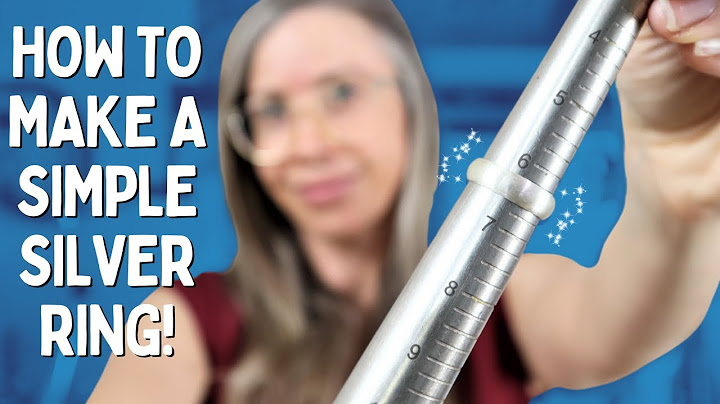
What a 925 hallmark can and cannot tell you
A manufacturer may stamp 925 inside the shank where it is not visible during wear. Some silver items also carry a maker's mark; markings vary across countries and periods. A correctly applied stamp is a useful clue, but stamps can be copied. It cannot establish the identity of a gemstone, whether plating is present, or the quality of the solder joints. Missing marks on tiny, antique or repaired pieces do not automatically prove that the material is fake either.
Sterling compared with silver plate and fine silver
Sterling silver has silver throughout the alloy. Silver plate consists of a base metal covered in silver, so rubbing the surface can reveal a different metal below. Fine silver is more pure and comparatively soft, making it better suited to some designs than others. A ring described only as “925 plated” is especially worth questioning: it may mean sterling silver beneath a separate finish, or it may be a confusing sales phrase. Ask for written clarification rather than assuming the best interpretation.
Testing a suspicious ring responsibly
Start with the invoice, seller description, weight and any maker documentation. Jewelry professionals can evaluate precious-metal content with appropriate instruments and may recommend a laboratory test when necessary. Home methods advertised online, including magnets, vinegar or scratching, are not reliable enough to establish exact silver purity and can damage finishes. A ring that turns dark may simply be tarnished; a ring that irritates skin may involve alloy sensitivities, trapped moisture or an unrelated reaction.
Caring for marked silver jewelry
Use a soft polishing cloth and follow gemstone-specific instructions. Dry thoroughly after washing; avoid abrasive products on plated, antiqued or textured finishes. Keep pieces separate to limit scratches. A thin band may bend under pressure even if it is genuine sterling. For family heirlooms, a jeweler can inspect worn settings before a stone loosens.
Verification checklist
Look for a clear seller statement of metal content.
Understand whether the product is sterling, plated or another alloy.
Request a professional evaluation when financial value matters.
Preserve your receipt and return conditions.
Frequently asked questions
Does 925 mean pure silver?
No. It means sterling silver with 92.5% silver content; pure silver is a different purity category.
Can a fake ring have a 925 stamp?
Yes. Stamps can be misleading, so combine markings with a trustworthy seller and professional testing if necessary.
Does 925 silver turn black?
Tarnishing can darken authentic sterling silver. Appropriate cleaning often restores its appearance without changing the underlying alloy.
Related reading
For a focused follow-up, see Sterling Silver Rings; Silver Rings for Women.