What Hairdressing Involves, From Training to Salon Work
Explore a hairdresser's work, training pathways, core skills, and how US state licensing rules affect career preparation.
What Hairdressing Involves, From Training to Salon Work
Hairdressing combines creative styling with technical knowledge, client communication, sanitation, and a surprisingly physical workday. In the United States, the job is often described under hairstylist or cosmetologist rather than simply 'hairdresser.' The career can suit someone who enjoys hands-on work, but training and licensing are real commitments that should be researched before paying a school deposit.
What hairdressers do day to day
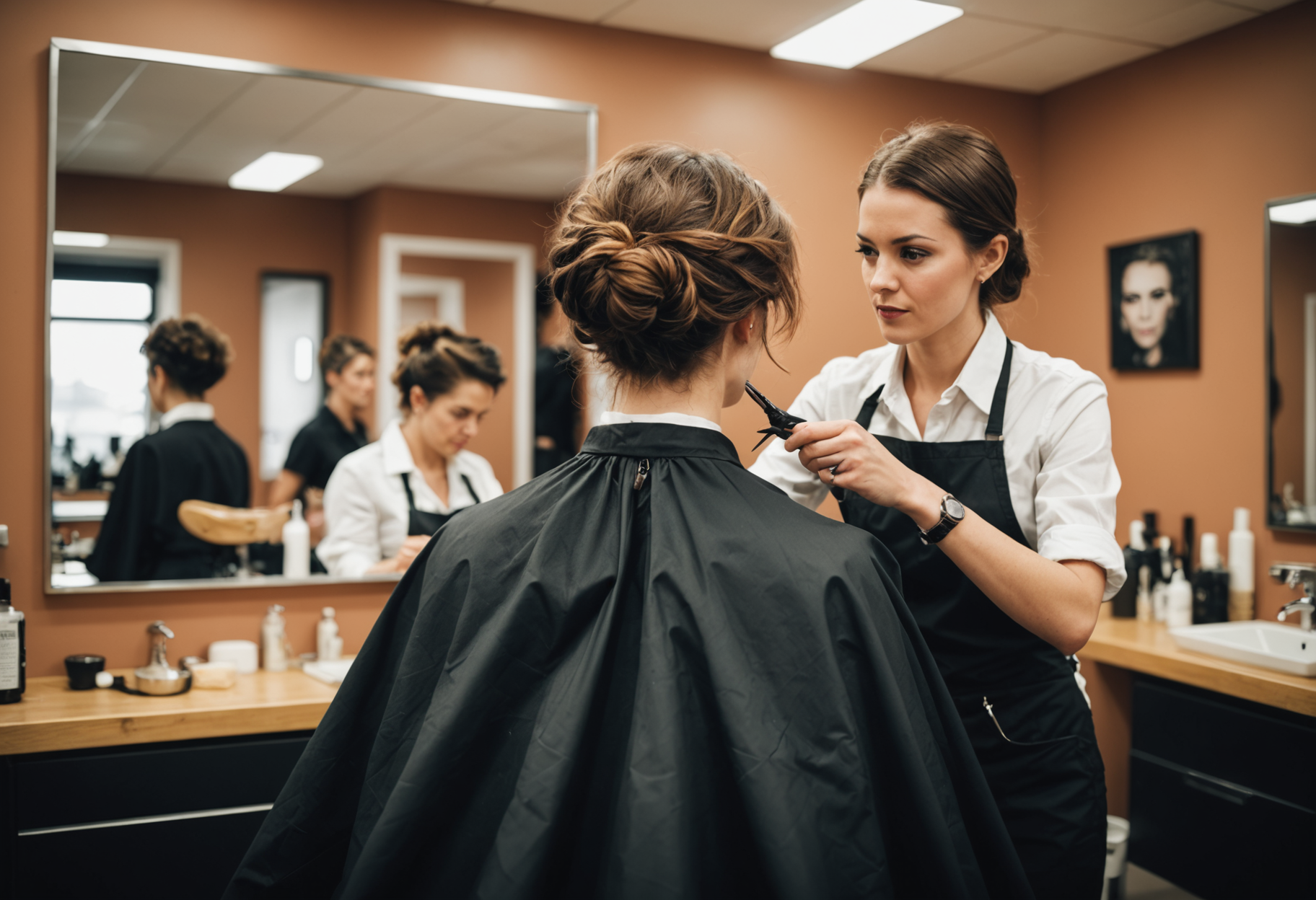
Common services include consultation, haircutting, blow-drying, coloring, styling, and advising clients on maintenance. A good consultation translates a reference photograph into a plan that fits the client's hair, schedule, and comfort level. Many appointments also require documenting formulas, sanitizing tools, managing time, and communicating about realistic outcomes.
Technical and people skills go together
Sectioning, tension control, color theory, and safe chemical handling take practice. So do listening, managing expectations, and explaining the maintenance required for a cut or color. A technically skilled stylist who cannot clarify what a client wants may still deliver the wrong result. Photography and recordkeeping also help stylists track their work responsibly.
Training and licensing in the United States
The U.S. Bureau of Labor Statistics explains that barbers, hairstylists, and cosmetologists generally need state-approved training and a license. Requirements vary by state, including approved schools, training hours, examinations, and renewal rules. Before enrolling, look up the relevant state licensing board and confirm that a particular program qualifies graduates for the credential they seek.
Where stylists work
Jobs may be found in salons, spas, studios, or as self-employed professionals. Schedules can include evenings and weekends when clients are free. Standing for long stretches, working around water and chemicals, and building a repeat client base are practical realities. Pay structures vary widely, so ask employers about commission, chair rent, tips, supplies, and training support rather than assuming one salary figure applies everywhere.
Planning a first year in the field
Compare accredited or state-approved programs, costs, required kits, hands-on practice, placement support, and licensing outcomes. After qualifying, focus on a solid consultation process, sanitation habits, photographic documentation, and consistent service quality. Specialization in color, curls, extensions, or editorial work can come later; starting with reliable fundamentals creates a stronger base.
Quick decision checklist
Check state board requirements
Compare practical training and total tuition
Ask salons about pay structures and mentorship
Frequently asked questions
Do hairstylists need a license in the US?
Licensing is generally required, with exact education and examination rules varying by state.
Is hairdressing only about cutting hair?
No. Client consultation, sanitation, coloring, styling, and ongoing education are also central to the work.