AM vs PM: Morning, Noon and Midnight Explained
Get a clear, accurate explanation with examples and useful comparisons. AM vs PM: Morning, Noon and Midnight Explained.
AM vs PM: Morning, Noon and Midnight Explained
Is AM or PM morning?
AM is the half of the 12-hour clock before noon: 12:00 a.m. through 11:59 a.m. PM is the half beginning at noon: 12:00 p.m. through 11:59 p.m. Most everyday morning activities happen in the AM period, but the word “AM” technically includes the early hours just after midnight.
AM and PM examples
| 12-hour clock | Part of day | 24-hour clock |
| 12:00 AM | Midnight | 00:00 |
| 6:30 AM | Morning | 06:30 |
| 11:59 AM | Just before noon | 11:59 |
| 12:00 PM | Noon | 12:00 |
| 3:15 PM | Afternoon | 15:15 |
| 8:00 PM | Evening | 20:00 |
| 11:59 PM | Just before midnight | 23:59 |
Why noon and midnight confuse people
The number 12 is the exception to the usual rule. At the start of a day the 12-hour clock says 12:00 AM. At midday it says 12:00 PM. If you are writing a flight, medical or legal deadline, use “12 noon,” “12 midnight” with an explicit date, or the 24-hour notation 12:00 and 00:00 to minimize ambiguity.
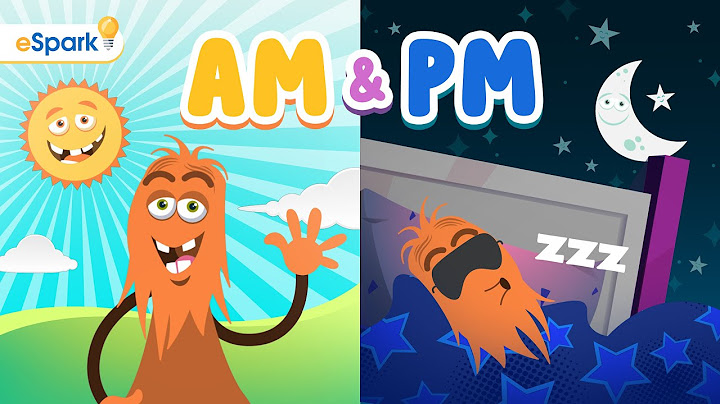
A simple memory aid
AM stands for ante meridiem (“before midday”); PM stands for post meridiem (“after midday”). For ordinary scheduling, 8 AM means breakfast-time hours and 8 PM means evening. The suffix does not itself indicate a time zone.
Frequently asked questions
Is 7 AM morning?
Yes, 7:00 AM is morning.
Is 12 PM in the morning?
No, 12:00 PM is noon.
Is 12 AM the start of the day?
Yes, 12 AM is midnight at the beginning of the calendar date.
Why the 24-hour format prevents mistakes
Airports, hospitals, and transport schedules often use 24-hour notation because 06:00 and 18:00 cannot be confused by dropping an AM or PM suffix. On a 12-hour invitation, always write the suffix and time zone; on a 24-hour invitation, write the date and local zone. A meeting at “12:00” is noon in 24-hour time, while “00:00” is the start of that date. The clear version is “November 15, 2026, 12:00 PM ET” rather than “12 tomorrow.”
An easy test is to write the number in 24-hour form. If it begins with 00, you are in the hour just after midnight; if it begins with 12, you are around midday. With electronic reminders, choose the correct calendar date first and then add AM or PM. The date matters most at midnight, when a one-day error is easy to make.
Related time guides
These related guides answer adjacent questions without repeating the focus of this page:
Military Time Converter: 24-Hour to 12-Hour Chart