Can Bearded Dragons Eat Apples? Feeding Safety
Can Bearded Dragons Eat Apples? Feeding Safety: fruity sugar and seeds. Read the guide.
Can Bearded Dragons Eat Apples? Feeding Safety
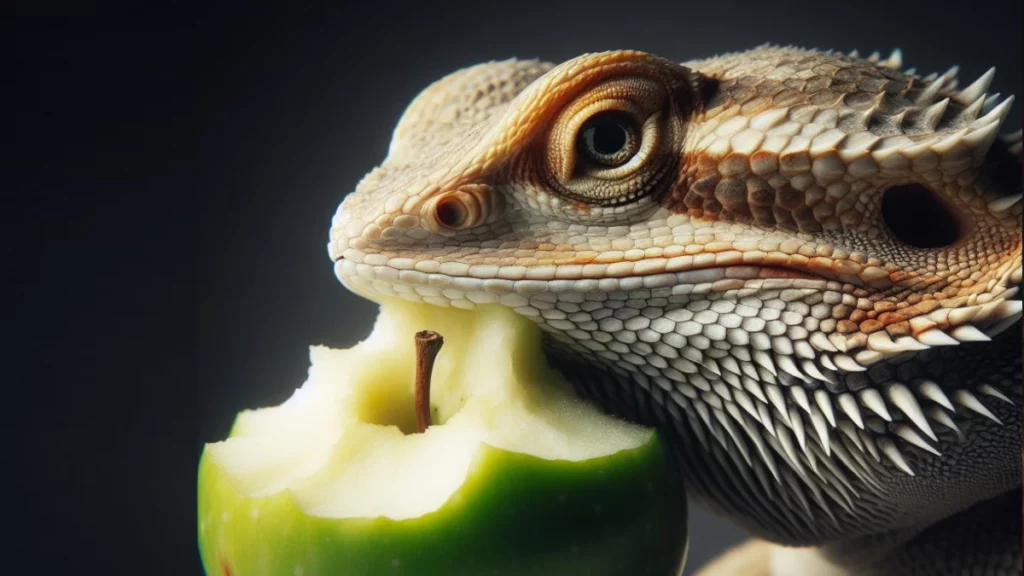
A small piece of peeled apple flesh can be an occasional bearded dragon treat, not a daily staple.
Age and the whole diet
Remove the seeds and core and chop finely; prioritize dark leafy greens over sugary fruit.
Bearded dragon feeding advice must account for age and the whole habitat. Juveniles generally require more insect-based nutrition than adults, while adults depend more on suitable vegetation. A single fruit or vegetable can be assessed as part of the diet, not in isolation from heating, UVB and mineral balance.
Food preparation and variety
Wash produce and chop it to an appropriate size. Offer a varied base of recommended greens and gut-loaded feeder insects rather than relying on one popular vegetable. Some plant foods contain oxalates or other compounds that make large daily amounts unsuitable for a calcium-focused diet.
UVB and calcium
Proper lighting is inseparable from nutrition. Without suitable UVB exposure and correct basking temperature, even apparently good foods may not support normal calcium metabolism and digestion. Ask a reptile veterinarian about enclosure readings and supplementation instead of guessing from a bulb's packaging.
Introducing new foods
A new food should be a small part of the overall feeding plan. Track which greens and insects were offered and note appetite, stool quality, weight and movement. Do not leave sugary, watery produce rotting in the enclosure, and avoid using colorful fruit to tempt an animal that is refusing its normal meals.
Reptile veterinary signs
Changes in jaw strength, limb posture, movement, weight or appetite can reflect a husbandry or medical problem. Persistent lethargy and loss of appetite also need assessment. A reptile-experienced veterinarian can evaluate diet, UVB, temperature and possible metabolic bone disease together.
Repeated fruit-heavy feeding can displace more valuable foods.
Consistent husbandry
Practical consistency helps: maintain a documented light schedule, temperature gradient, clean water and a rotation of approved foods. Avoid applying feeding percentages rigidly to every age and health condition. Review the entire routine periodically as the animal matures.
Applying the advice in real life
Think about each plant food as one part of a weekly rotation. Compare its calcium-related tradeoffs, fiber, water and sugar content with the animal's age and existing feeding routine. If a food is best used sparingly, offering it every day because the dragon likes it defeats that guidance. The most appealing item is not necessarily the most useful one.
When reviewing diet concerns, photograph the enclosure setup and record basking and cool-side conditions using appropriate instruments. Note the UVB bulb type and age, supplement schedule and recent food list. This context helps a reptile-savvy clinician evaluate appetite and bone-health concerns without relying on guesswork.
Frequently asked questions
Is this food a good daily staple? Not by itself. Adult diets rely on varied appropriate greens, while other requirements change with age.
Does UVB affect feeding and calcium needs? Yes. Correct heating and UVB exposure are crucial for metabolism and calcium utilization.
What if my bearded dragon refuses to eat? Check husbandry and arrange reptile-veterinary advice rather than masking persistent appetite loss with sweet fruit.
Related guides
Bearded Dragon Diet: Greens, Insects and Age-Appropriate Feeding
Can Bearded Dragons Eat Watermelon? Feeding Safety
Can Bearded Dragons Eat Spinach? Feeding Safety
Can Bearded Dragons Eat Carrots? Feeding Safety
