Best Crate Beds for Dogs: Comfort and Safety
Learn how to pick the perfect crate bed for your dog, covering size, material, chew resistance, and placement tips.
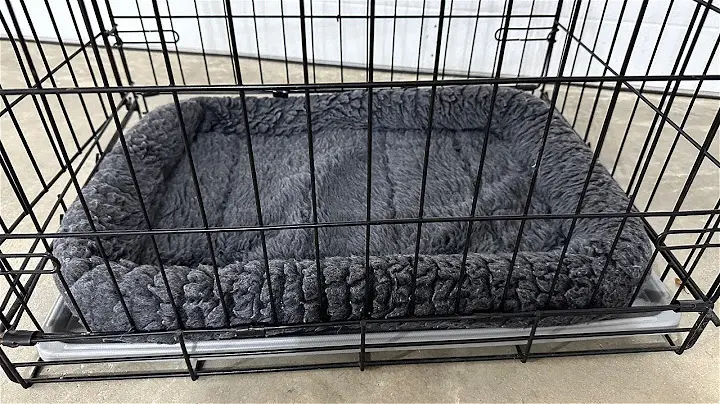
A crate bed transforms a dog’s crate from a simple enclosure into a cozy, inviting space that supports comfort, health, and training. By choosing the right bed, owners can reduce anxiety, encourage proper sleep posture, and protect the crate’s interior. This guide explains what a crate bed is, why it matters, and how to pick the perfect one for your dog’s size, habits, and lifestyle.
What is a crate bed?
A crate bed is a padded or upholstered insert designed to fit inside a dog’s crate, providing a soft, supportive surface for rest and sleep. Unlike a blanket or towel, a crate bed is engineered with specific dimensions, materials, and features that align with the crate’s shape and the dog’s needs. The primary purpose is to create a distinct sleeping area that signals safety and reduces stress. Dogs often associate the crate with a den-like environment; a dedicated bed reinforces this association by offering a consistent, comfortable spot. Crate beds come in various styles: flat pads, raised platforms, or nest-like cushions. Flat pads are ideal for smaller dogs or crates with limited height, while raised platforms help prevent moisture buildup and keep the dog off the floor. Nest beds, with their rounded edges, mimic a natural burrow and are especially soothing for anxious or older dogs. The choice of material—memory foam, polyester, cotton, or microfiber—affects durability, weight, and ease of cleaning. Memory foam conforms to the dog’s body, reducing pressure points; polyester offers a balance of softness and resilience; cotton is breathable but may compress quickly; microfiber is lightweight and easy to wash. Beyond comfort, crate beds can protect the crate’s interior. A padded surface reduces wear on the crate’s walls, preventing scratches and dents. It also helps maintain a clean environment by trapping hair and shedding. Many beds feature removable, machine‑washable covers, which simplify maintenance and keep the crate hygienic. In summary, a crate bed is a functional, ergonomic accessory that enhances a dog’s well‑being and preserves the crate’s integrity.
How to choose the right size
Selecting the correct size is critical for safety, comfort, and training effectiveness. The bed should fit snugly within the crate’s interior, leaving enough space for the dog to lie down, turn, and stretch without feeling cramped. A common rule of thumb is to choose a bed that is at least 2–3 inches shorter than the crate’s interior length and 1–2 inches narrower than the width. This ensures the dog can move freely while the bed remains stable. Measure the crate’s interior dimensions: length, width, and height. Then, measure the dog’s body length from nose to base of tail and its height at the shoulder. A bed that matches the dog’s body length provides a supportive surface that encourages proper spinal alignment. For dogs that like to curl or tuck, a slightly shorter bed may be preferable to avoid excess space that could lead to restlessness. Consider the dog’s activity level and weight. Heavy dogs or those prone to chewing may require a thicker, more durable bed. Memory foam beds with a 2–3 inch thickness offer robust support and resist deformation. Chew‑resistant fabrics, such as nylon blends or reinforced cotton, can withstand gnawing without tearing. Placement within the crate also matters. Position the bed against a wall or in the center, depending on the dog’s preference. Some dogs feel secure against a wall, while others prefer a free‑standing bed that allows them to see their surroundings. Test different positions during the first few nights to observe the dog’s comfort. Finally, factor in the crate’s height. If the crate is low, a raised platform bed may be unnecessary; a flat pad suffices. For taller crates, a raised bed can keep the dog off damp floors and reduce the risk of slipping. By carefully measuring, matching the dog’s size, and considering activity level, owners can select a crate bed that delivers lasting comfort and support.
Material considerations
Choosing a crate bed for your dog involves more than picking a color or pattern; the material directly affects comfort, durability, and maintenance. The most common fabrics are polyester blends, cotton, and microfiber. Polyester is lightweight, water‑resistant, and easy to machine‑wash, making it ideal for dogs that shed or have a tendency to drool. Cotton, especially organic cotton, offers superior breathability and a softer feel, which can be beneficial for dogs with sensitive skin or allergies. Microfiber, on the other hand, compresses well and retains shape, providing a plush cushion that can be flattened for storage. When evaluating these fabrics, consider the dog’s size and activity level. A large, active dog may benefit from a thicker, padded base, while a smaller or older dog might prefer a thinner, more breathable layer. The construction of the bed’s frame also matters. Many crate beds feature a raised edge or a “cushion” that sits on the crate floor. A raised edge can help prevent the dog from rolling out of the crate, especially in larger crates, and can also keep bedding from shifting. For dogs that chew or scratch, a frame made from sturdy, chew‑resistant plastic or metal is preferable. If the bed is intended for a dog that frequently changes position, a removable, washable cover is essential. Look for covers that can be detached and machine‑washed at 30–40 °C, as this temperature range is safe for most fabrics and helps eliminate bacteria and odors. Finally, consider the bed’s overall weight and portability; a lightweight, foldable design can simplify moving the crate between rooms or during travel.
Chew-proof options
Dogs that love to chew present a unique challenge when selecting a crate bed. Chew‑proof beds are engineered to withstand gnawing without tearing or breaking apart. One of the most reliable materials for chew resistance is high‑density polyethylene (HDPE) or polypropylene, which can endure repeated biting without cracking. Beds that incorporate a double‑layered construction—where a soft inner layer is sealed within a tougher outer shell—offer both comfort and durability. The outer shell can be reinforced with a layer of rubber or silicone, which resists punctures and reduces the risk of sharp edges that could injure the dog. Another effective strategy is to use a bed with a removable, chew‑proof insert. These inserts are typically made from a dense foam that resists chewing and can be replaced when worn. The outer cover, often a washable fabric, protects the insert from dirt and moisture. For dogs with aggressive chewing habits, consider a bed that includes a built‑in chew deterrent, such as a bitterant coating that discourages further gnawing. While bitterants are not a substitute for proper training, they can reduce the temptation to chew on the bed itself. When evaluating chew‑proof beds, it is also important to assess the bed’s size relative to the crate. A bed that is too large may shift or collapse under a dog's weight, while a bed that is too small may not provide adequate support. Measure the crate’s interior dimensions and select a bed that fits snugly, leaving enough space for the dog to lie down comfortably. Finally, always supervise a new dog with a chew‑proof bed during the first few weeks to ensure that the design holds up under real‑world use and to identify any potential safety concerns.
Placement and cleaning tips
Choosing the right spot for a crate bed can significantly affect your dog’s comfort and your household’s hygiene. The ideal location should be a quiet corner that still offers a view of family activity, allowing the dog to feel included without being overstimulated. Position the bed on a non‑carpeted surface, such as hardwood or tile, to make cleaning easier and to reduce the accumulation of pet hair and dander. If a carpeted area is unavoidable, place a washable, non‑slip mat underneath the bed to protect the floor and to keep the bed from sliding when the dog moves around. Avoid placing the bed near drafty windows or direct sunlight, as these can cause temperature extremes that may lead to overheating or discomfort. A stable, well‑ventilated area also helps reduce the risk of mold or mildew growth, especially in humid climates. Cleaning the crate bed on a regular schedule is essential for maintaining a healthy environment. Start by removing any loose hair or debris with a vacuum or a lint roller. For fabric beds, most manufacturers recommend hand washing with a mild detergent or using a pet‑safe machine wash cycle on a gentle setting. Always rinse thoroughly to eliminate soap residue, which can irritate a dog’s skin. After washing, allow the bed to dry completely in a well‑ventilated area; damp bedding can become a breeding ground for bacteria. For foam or memory‑foam beds, spot‑clean with a pet‑safe cleaner and a damp cloth, then let it air dry. If the bed has a removable cover, wash it separately according to the care label. To extend the life of the bed and keep it smelling fresh, consider using a pet‑safe deodorizer or baking soda. Sprinkle a light layer of baking soda over the bed, let it sit for 15–20 minutes, then vacuum it up. This simple step neutralizes odors without exposing your dog to harsh chemicals. Additionally, rotating the bed’s position every few weeks can help distribute wear evenly and prevent the fabric from developing flat spots. By following these placement and cleaning guidelines, you’ll create a comfortable, hygienic space that supports your dog’s well‑being and keeps your home tidy.
