What Is the Biggest Dog Kennel You Can Buy?
Explore extra‑large dog kennels, their dimensions, indoor/outdoor uses, and which breeds fit best in the biggest kennel sizes.
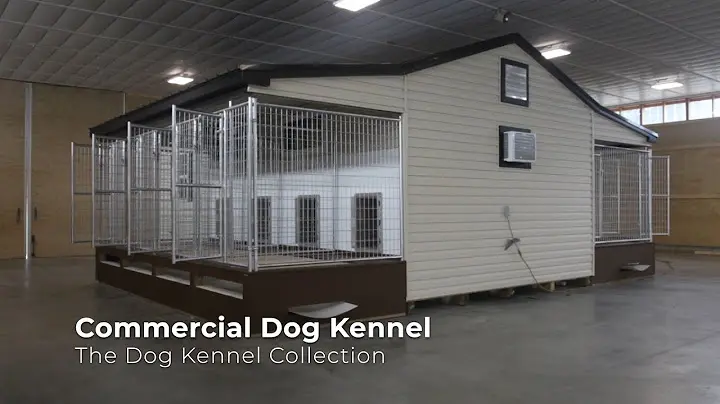
When a dog’s size outpaces the standard crate, the next step is a kennel that offers ample room for movement, comfort, and safety. The biggest dog kennels are designed to accommodate large breeds and growing puppies, providing a spacious environment that supports healthy posture, exercise, and mental stimulation. This guide explains the maximum dimensions you’ll find in the market, the practical uses of indoor and outdoor models, and which breeds thrive in each size category.
Maximum dimensions
The largest commercially available dog kennels typically range from 6 to 10 feet in length, 4 to 6 feet in width, and 6 to 8 feet in height. A 10‑by‑6‑by‑8 foot kennel can comfortably house a full‑grown Great Dane or an adult Saint Bernard, allowing the animal to stand, lie down, and turn around without restriction. Smaller large‑breed models, such as a 6‑by‑4‑by‑6 foot kennel, are suitable for breeds like the Boxer or the Newfoundland, which benefit from a slightly more compact space while still having room to stretch. When selecting a kennel, consider the dog’s typical activity level and any health concerns. A taller kennel is advantageous for breeds prone to hip or back issues, as it encourages a natural, upright posture. Width is equally important; a narrow kennel can cause a dog to feel cramped and may lead to behavioral stress. Height should be at least 1.5 times the dog’s shoulder height to prevent the head from being forced upward, which can cause discomfort. Outdoor kennels often feature weather‑resistant materials such as welded steel frames and heavy‑duty vinyl or canvas covers. Indoor models may incorporate insulated panels or removable walls to create a cozy, temperature‑controlled environment. Both types should have secure locking mechanisms and a floor that is easy to clean and resistant to moisture. The maximum dimensions listed above are typical for premium models, but custom‑built kennels can exceed these measurements for owners with very large dogs or special training needs.
Breed suitability
Large breeds such as the Great Dane, Saint Bernard, and Newfoundland thrive in kennels that provide at least 6 feet of length and 4 feet of width. These breeds require space to stretch fully; a cramped kennel can lead to joint strain and behavioral issues. A 10‑by‑6‑by‑8 foot kennel is ideal for a Great Dane, allowing the dog to lie down with its legs fully extended and to stand upright without crowding. Medium‑large breeds like the Boxer, Doberman, and German Shepherd can comfortably use a 6‑by‑4‑by‑6 foot kennel. These dogs benefit from a slightly smaller footprint that still permits full movement, reducing the risk of overexertion during rest periods. The height of 6 feet ensures that the dog’s head is not forced upward, which is important for breeds with long necks. Puppies of large breeds grow rapidly; therefore, a kennel with adjustable panels or removable walls can accommodate their changing size. For example, a puppy that starts at 3 feet tall may outgrow a 6‑by‑4‑by‑6 foot kennel within a year, but a 10‑by‑6‑by‑8 foot kennel will remain suitable for several years. Breeds with specific health concerns, such as hip dysplasia or respiratory issues, benefit from a kennel that offers a gentle slope or a padded floor to reduce impact on joints. Additionally, a kennel with a removable roof or a ventilated side panel can help maintain airflow for breeds that are prone to overheating.
Indoor vs outdoor large kennels
Choosing between an indoor or outdoor kennel for a large dog involves evaluating space, climate control, and the dog's activity level. Indoor kennels are typically built from wood or metal frames covered with durable fabric or vinyl, allowing owners to maintain a consistent temperature and protect pets from inclement weather. They are ideal for breeds that thrive in a controlled environment, such as Great Danes or Saint Bernards, especially during extreme heat or cold. Outdoor kennels, on the other hand, are often constructed with weather‑resistant materials like galvanized steel or heavy‑duty plastic. They provide natural ventilation and a more spacious feel, which is beneficial for high‑energy breeds such as German Shepherds or Rottweilers that require regular exercise and a larger area to roam. When sizing an indoor kennel, consider the dog’s standing height, length, and the amount of space needed for turning and lying down. A common rule of thumb is to add at least 24 inches to the dog’s length for a comfortable indoor enclosure. Outdoor kennels can accommodate larger dimensions because they are less constrained by indoor room size. However, owners must ensure the kennel is positioned to avoid direct sun exposure, wind tunnels, and to provide shade or a roof for protection. Another key factor is the flooring material. Indoor kennels often use rubber mats or interlocking foam tiles that are easy to clean and provide cushioning. Outdoor kennels may use concrete or poured slab foundations, which are more durable but require regular maintenance to prevent cracks and moisture buildup. In both cases, the kennel’s door size should allow the dog to enter and exit freely, and should be equipped with a secure latch to prevent escape.
Durability & material considerations
Durability is paramount when selecting a large kennel, as the structure must withstand the weight and activity of a big dog. Metal frames made from powder‑coated steel or aluminum offer the highest strength-to-weight ratio and are resistant to rust when properly coated. Powder coating provides a hard, smooth finish that resists scratches and corrosion, extending the kennel’s lifespan. Wood frames, while aesthetically pleasing, require regular sealing or painting to protect against moisture and rot, especially in outdoor settings. The kennel’s panels or walls should be constructed from high‑density polyethylene (HDPE) or heavy‑weight vinyl. HDPE is lightweight, yet strong, and can endure repeated impacts from a dog’s claws or teeth. Vinyl panels are flexible, making them easier to install and replace, but they may be more susceptible to punctures if the dog is particularly aggressive. For outdoor kennels, a double‑layered design with a weather‑proof inner lining and an outer shell of metal or HDPE can provide extra protection against rain, snow, and UV degradation. Flooring choices also influence durability. Rubber mats are ideal for indoor kennels because they absorb impact and are easy to clean. For outdoor kennels, a poured concrete slab or a thick layer of interlocking rubber tiles can resist weather damage and provide a stable base. Concrete slabs should be poured to a depth of at least 4 inches and reinforced with rebar to prevent cracking. Maintenance is a critical component of durability. Owners should inspect the kennel’s frame for rust, dents, or loose screws every month. Metal frames should be cleaned with mild soap and water, then dried to prevent moisture buildup. Wood frames benefit from a yearly coat of sealant or paint. Panels should be checked for tears or holes, and any damage should be repaired promptly to maintain structural integrity. By selecting high‑quality materials and performing regular upkeep, owners can ensure their large kennel remains safe and functional for years to come.
