Boarding for Dogs: Options, Safety Questions and Preparation
Compare dog boarding facilities with sitter-home boarding, ask practical safety questions and prepare care instructions.
Boarding for Dogs: Options, Safety Questions and Preparation
Dog boarding moves your pet away from home. Compare sitter-home boarding with kennel facilities by supervision, hygiene, compatibility and emergency planning—not marketing promises.
Quick answer
Boarding means the dog stays at a caregiver’s home or a dedicated facility while the owner is away. Ask about other animals, staff coverage, disease prevention, medication ability, fencing, emergency transport and the exact hours of care before booking.
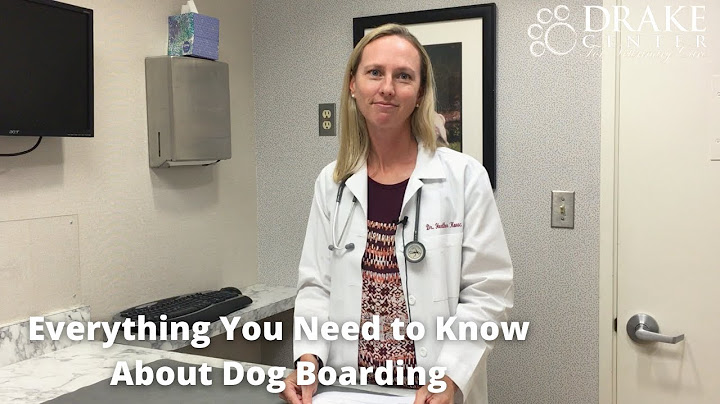
What dog boarding means
In a boarding arrangement, your dog sleeps somewhere other than its own home. One option is a caregiver’s home, where care may involve a small household setting. Another is a kennel or dedicated boarding facility with staff, defined routines and multiple animals. Neither model is automatically better. The right choice depends on the dog’s temperament, health, social tolerance and the provider’s specific safeguards.
Do not confuse boarding with overnight house sitting. A sitter who comes to your home preserves the dog’s environment; boarding introduces a different one. Some platforms list both services side by side, and their booking labels should specify where the dog will stay. This article focuses on choosing and preparing for boarding, not listing local facilities or asserting live openings.
Home boarding versus a boarding kennel
A caregiver’s home may feel quieter and offer a household routine, but ask whether several unfamiliar dogs will share common spaces. A facility may have separate runs, structured staff shifts and established sanitation procedures, but may also be noisier or less flexible. Tour the actual care areas when possible. A beautiful lobby does not prove how dogs are supervised during feeding, sleep or staff handoffs.
Ask for the ratio of caretakers to dogs in the area your pet will use, not just across the entire business. Confirm how dogs are grouped, when they rest, how conflicts are prevented and whether your dog can be separated from others. Some dogs enjoy supervised social time; others need individual care. The plan should be based on behavior and safety rather than a blanket claim of compatibility.
Practical comparison
| Factor | Home boarding | Kennel or facility |
| Environment | Caregiver’s household | Dedicated facility with defined zones |
| Other animals | Resident and guest animals may be present | Multiple boarded dogs; ask about grouping |
| Night coverage | Ask if host remains on site | Ask about overnight staffing or monitoring |
| Disease controls | Verify cleaning and exposure policy | Verify vaccination and isolation policies |
| Emergencies | Confirm transport and vet contacts | Confirm protocol and on-call arrangements |
Vaccination, hygiene and disease-control questions
Boarding can increase contact with unfamiliar animals and shared surfaces. Facilities may set vaccination, parasite-prevention or health documentation requirements. Ask for those policies in writing and discuss them with your veterinarian before the stay, particularly when your dog is young, elderly, immunocompromised or has a respiratory condition. No environment can be promised completely free of infection risk.
Observe how the provider cleans sleeping areas, bowls and shared spaces. Ask whether sick dogs are isolated and how families are notified about a suspected outbreak. Good operators will explain what they do when a dog coughs, develops diarrhea or refuses food, and when they contact a veterinarian. Avoid providers who give blanket “zero risk” promises or dismiss a known illness in the facility.
Tour checklist: fencing, staffing and sleeping arrangements
Inspect doors, gates, fencing, leash transfer procedures and areas where dogs move between spaces. Ask who is on site after hours and whether the site has overnight staffing or only periodic monitoring. Confirm sleeping accommodations, temperature control, drinking water, feeding separation and how toys or food are managed when dogs could guard resources.
If boarding occurs in a private home, ask about resident pets, children, visitors, transport arrangements and nearby hazards. Request clear answers about how the host limits contact between incompatible animals. If your dog requires stairs, assistance, medication or a special diet, verify that the location and caregiver can accommodate it before paying a deposit.
Medication, behavior and emergency planning
Give the provider a concise written health and behavior history. Disclose leash reactivity, separation issues, escape tendencies, food guarding, allergies and medication routines. Provide labeled prescriptions and veterinarian instructions, and do not ask an untrained provider to modify treatment. Discuss any condition that may make group care inappropriate with the dog’s clinician.
Ask who can authorize and transport for urgent veterinary care, what clinic they would use, how quickly they notify owners and what happens if your emergency contact is unavailable. Confirm whether the provider has a backup when a staff member becomes ill or an evacuation is required. Written answers are more reliable than an informal promise that “we will handle it.”
Packing list and check-in day
Follow the provider’s rules on food, bedding and toys; some facilities limit personal items for safety and sanitation. Bring an appropriately labeled supply of regular food and medications, an identification tag, contact numbers and the agreed care notes. Avoid introducing a new diet right before boarding. Ask if the facility wants vaccination records or a veterinarian’s contact details in advance.
Plan a calm handoff, not a lengthy and emotionally charged goodbye. Show the caregiver how your dog handles a leash and where to attach the harness securely. At checkout, confirm the last meal, bathroom break, medicine doses given and any incidents during the stay. If the dog comes home with a concerning symptom, contact your veterinarian rather than assuming stress explains everything.
How to choose for short and long stays
A trial day or overnight stay may help reveal whether a dog settles in the environment. For longer stays, ask about consistent caregivers, routine changes and how progress updates will be shared. Compare total prices including holidays, medication administration, grooming add-ons and late pickup. A quoted nightly rate may not include every service you expect.
Choose a setting where the provider can explain supervision, infectious disease policies, behavior management and emergencies with specificity. If a dog does poorly away from home, a qualified in-home sitter may be a better option. For specialized medical conditions, discuss veterinary boarding or another clinical plan with the treating veterinarian. The lowest headline price is not an adequate decision rule.
Before you book: checklist
Tour actual dog-care and sleeping spaces
Ask about other pets and group policies
Verify vaccination/health requirements
Get overnight supervision details
Provide health, routine and emergency instructions
Compare full price and checkout time
Related guides
Overnight Pet Sitting: What to Expect and How to Prepare
Dog Sitting: How to Choose the Right Care for Your Dog
Pet Care Apps: How to Compare Dog Sitting Platforms
Frequently asked questions
What is the difference between boarding and house sitting?
In boarding, the dog stays in another home or facility. With house sitting, the caregiver stays in the owner’s home for agreed care periods.
Is boarding safe for a puppy?
Suitability depends on vaccination status, health, facility policies and the puppy’s needs. Ask the treating veterinarian before group exposure.
Will my dog be alone overnight at a kennel?
Policies differ. Ask whether staff remain on-site, what monitoring occurs and how emergencies are handled after hours.
Should I pack my dog’s usual food?
Generally, maintaining the regular diet and written portions helps avoid unnecessary changes, subject to facility rules and the veterinarian’s advice.
Can a dog with medication be boarded?
Some providers can follow written veterinary instructions, but capabilities vary. Confirm the exact medication plan and whether veterinary supervision is more appropriate.