Can Dogs Eat Pumpkin Seeds? Preparation and Safety
Can Dogs Eat Pumpkin Seeds? Preparation and Safety: plain unsalted vs seasoned seeds. Read the guide.
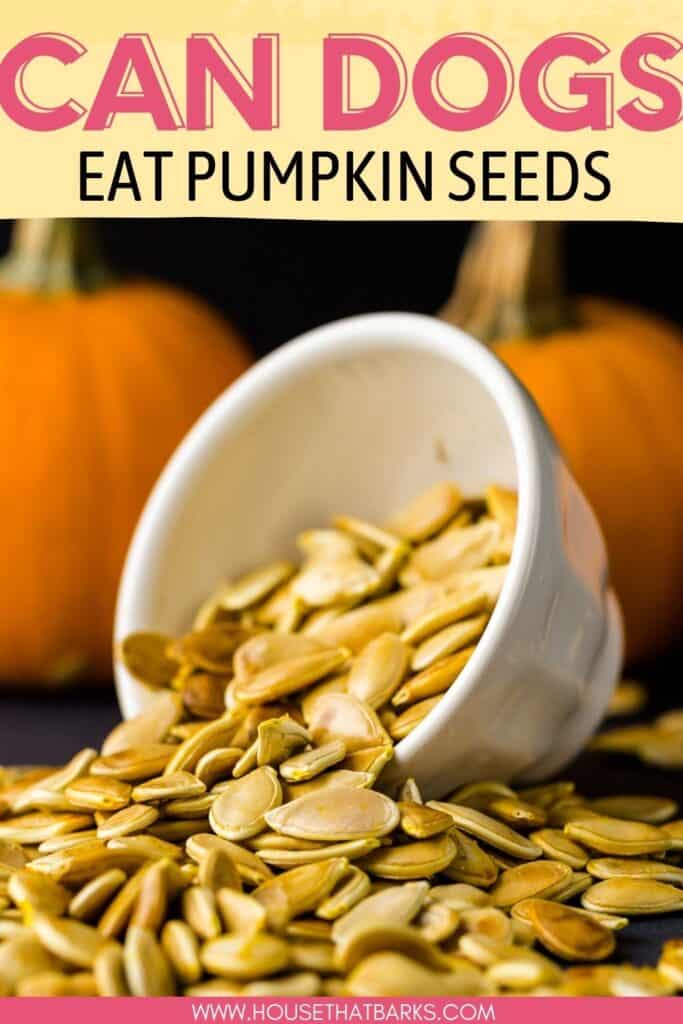
Can Dogs Eat Pumpkin Seeds? Preparation and Safety
Plain shelled pumpkin seeds are not intrinsically a complete dog snack: they are calorie-dense and can be hard to digest in large portions.
Assessing the food
Avoid salted, spiced, chocolate-coated and trail-mix products; crushing or offering a few shelled seeds may be more manageable for some dogs.
The most useful answer depends on the exact ingredient, its preparation and the dog's medical history. A bite of plain food differs from a rich meal or a product containing several seasonings. When the label is unclear, do not guess at the dose or assume that a food considered healthy for humans is beneficial for dogs.
Ingredients that change the risk
Check every ingredient in a prepared food. Onion, garlic, grapes or raisins, xylitol and excessive fat may change a feeding question from a treat decision into a toxicity concern. Salt, sauce and frying oil can matter just as much as the food named on the package. Never advise deliberate trial feeding to a sick dog.
Calories and diet balance
A complete commercial diet or a professionally formulated home-prepared diet should provide essential nutrition. Occasional additions can unbalance calories and encourage selective eating. Treat guidance should be individualized for puppies, senior dogs and pets with pancreatitis, allergies, diabetes, kidney disease or prescription diets.
If your dog ate some
If a dog has already eaten the food, identify the amount, time, preparation and any other ingredients. Save packaging and call a veterinarian or animal poison service if toxicity is suspected. Do not induce vomiting or try to neutralize ingredients with oil, milk or salt unless a veterinary professional instructs you.
Warning signs
Watch for repeated vomiting, diarrhea, abdominal pain, unusual tiredness, shaking, weakness or difficulty breathing. Early signs can be nonspecific, so the absence of immediate symptoms is not proof of safety after a potentially toxic exposure. A veterinary team can decide whether observation, testing or urgent treatment is needed.
Pumpkin seeds are not a substitute for veterinary deworming or balanced dog food.
Safer food habits
A simple rule works well for households: keep pet treats plain and modest, and avoid sharing leftovers from highly seasoned meals. Write down an approved list of rewards with the veterinarian if a dog has a medical condition. Always prioritize measured meals, clean water, appropriate exercise and regular checkups over trendy supplements.
Applying the advice in real life
A useful decision sequence begins before the treat reaches the bowl: identify the exact product, scan the ingredient list, consider your dog's medical history and then ask whether there is any benefit to offering it. When a safe plain alternative is available, avoiding a complicated food is rarely a sacrifice. The purpose of food enrichment is positive experience, not simply adding variety at any cost.
If several family members share treats, use one agreed feeding plan and keep an eye on total daily extras. A tiny snack from each person may add up quickly for a smaller dog. For an animal on a prescription diet, a vet-approved food or portion of its regular kibble can be a more predictable training reward.
Frequently asked questions
Should this food become part of a dog’s regular diet? No. A complete dog diet should meet nutritional needs, and optional table foods are neither required nor a replacement for it.
What if my dog already ate some? Review the ingredients, timing and quantity. If there is a toxin concern or symptoms, contact your veterinary team or a poison-control service promptly.
Can puppies and dogs with medical conditions have the same treats? Not necessarily. Young dogs and animals on special diets require individualized advice.
Related guides
Can Dogs Eat Cottage Cheese? Portion and Tolerance Considerations
Can Dogs Eat Bacon? Fat, Salt and Pancreatitis Risk
Can Dogs Have Olive Oil? Risks and Nutrition Context
