Can Horses Eat Watermelon? Rind, Seeds and Portion Cautions
Can Horses Eat Watermelon? Rind, Seeds and Portion Cautions: discuss rind/seed and choking/colic risk without making blanket universal claims. Read the gui.
Can Horses Eat Watermelon? Rind, Seeds and Portion Cautions
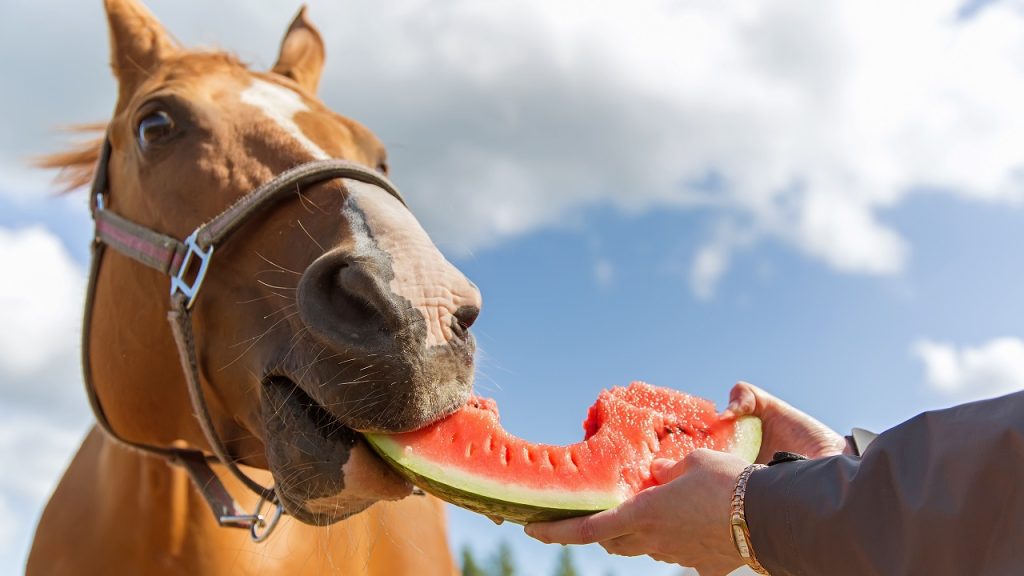
Watermelon flesh can be a watery occasional reward for some healthy horses.
Biology and welfare context
Offer small manageable chunks and avoid feeding large rind pieces or a heap of slippery fruit; forage remains the diet foundation.
Horses are large, social grazing animals; everyday welfare depends on forage, movement, turnout, companionship and preventive care. A catchy single answer is rarely enough without considering the horse's age, workload, medical history and environment. Owner observations should be recorded rather than treated as scientific proof.
Normal behavior and variation
Understand how normal equine behavior differs from human expectations. Signs such as ear orientation, body posture, changes in feed intake and reluctance to move can provide useful context. Handling and feeding decisions should be made with safety in mind because a startled horse can injure itself or a person.
Individual circumstances
Individual circumstances vary widely. A pony, senior horse and breeding mare may need different nutrition, dental schedules or veterinary monitoring. Where a precise age, due date or cost is discussed, use it as a range or planning estimate rather than a guarantee about one horse.
Practical observations
A practical owner log can include weight or body-condition changes, hoof trimming dates, dental checks, feeding routines and new behaviors. Caretakers who observe the horse daily may notice subtle changes earlier than someone who visits occasionally. Share that timeline with the equine veterinarian when questions arise.
When to call the veterinarian
Prompt veterinary help is appropriate for suspected colic, difficulty breathing, sudden lameness, significant injuries or unusual weakness. Do not use a listicle to diagnose a pregnant mare or an aging horse. Expert evaluation and a safe handling plan should come before improvising home treatments.
Horses prone to metabolic disorders or choke may need a different choice of treat.
Long-term care
The best long-term practice is consistent rather than dramatic: appropriate forage, water, hoof and dental care, social contact and thoughtful exercise. Adjust plans as condition changes. An online guide can organize questions, but the veterinarian and an experienced equine care team should make individual clinical decisions.
Applying the advice in real life
Build decisions around a stable routine: forage supply, turnout, water, safe fencing, hoof maintenance and daily observation. Changes in these basics can alter behavior and condition more than a one-off treat or training trick. When comparing advice from different barns, ask whether the horses' ages, workloads, climates and medical needs are actually comparable.
Because horses can mask developing problems, small trends are worth recording: reduced appetite, a new stance, reluctance to be caught or changes in the manure pile. Keep a reliable contact plan for the regular veterinarian and emergency service. The owner should know what can be observed safely and when to step away from a distressed horse.
Frequently asked questions
Does one guide apply to every individual? No. Species, age, genetics, environment and health history change what is appropriate.
What should an owner observe over time? Track appetite, movement, behavior, comfort and the conditions in which the animal lives.
When is professional help appropriate? When signs suggest pain, injury, serious illness or when the correct care requirements are uncertain.
Related guides
Horse Names: Ideas by Personality, Color and Style
Can Horses Eat Grapes? Feeding and Safety
How Long Do Horses Live? Age, Breed and Care Factors
