Best Cat Food Containers: Keep Food Fresh & Easy to Serve
Discover top-rated cat food containers, airtight designs, and storage tips to keep your cat's meals fresh and prevent waste. Find the perfect container for your home.
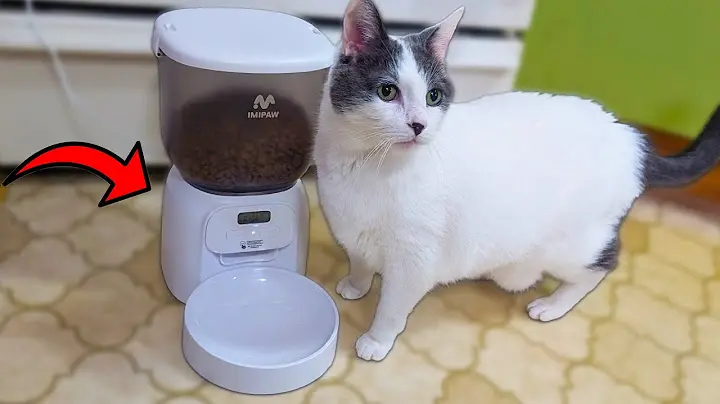
Keeping your cat’s food fresh is essential for both taste and health. A well‑designed container not only preserves flavor and aroma but also protects against moisture, pests, and spoilage. By choosing a container that seals tightly and is easy to refill, you can reduce waste, maintain nutritional quality, and keep your kitchen smelling clean.
Why Airtight Matters for Cat Food
Airtight seals are critical because they block oxygen, which accelerates oxidation and rancidity in fats and oils found in many cat foods. When oxygen reaches the food, it can cause off‑flavors and diminish essential nutrients such as omega‑3 fatty acids. An airtight container also prevents moisture from entering, which can lead to mold growth and bacterial contamination. Moisture is especially problematic in humid climates or when the container is stored near a refrigerator or freezer. Additionally, a tight seal deters pests like ants, roaches, and pantry moths that are attracted to the scent of dry kibble. By maintaining a dry, oxygen‑free environment, the container extends the shelf life of the food, keeping it palatable and safe for your cat. This is particularly important for premium or grain‑free formulas that contain higher levels of natural fats, which are more prone to spoilage. Finally, an airtight design simplifies portion control: you can see how much food remains and avoid over‑opening, which further reduces exposure to air. In summary, an airtight container preserves flavor, prevents spoilage, protects against pests, and supports portion management, all of which contribute to a healthier, more enjoyable feeding experience for your cat.
Top Materials: Plastic vs. Metal vs. Ceramic
Plastic containers are the most common choice for cat food storage due to their lightweight, affordability, and variety of shapes. High‑density polyethylene (HDPE) and polypropylene (PP) are food‑grade plastics that resist cracking and are dishwasher safe. However, some plastics can leach micro‑particles or chemicals over time, especially if exposed to high temperatures. Metal containers, typically made of stainless steel, offer superior durability and a completely airtight seal when paired with a silicone gasket. Stainless steel is non‑porous, so it does not retain odors or stains, and it is resistant to rust and corrosion. The downside is that metal can be heavier and may dent if dropped, and some cats may be sensitive to metal surfaces. Ceramic containers provide a neutral, non‑reactive surface that does not interact with food. They are often glazed to create a smooth, airtight interior. Ceramics can be heavier and more fragile, but they are excellent at maintaining a stable temperature and preventing moisture ingress. When selecting a material, consider your cat’s sensitivity, your storage space, and how often you refill the container. For example, a stainless steel container with a silicone seal is ideal for long‑term storage and frequent refills, while a ceramic container works well for smaller households that prioritize odor control. Ultimately, the best material balances durability, safety, and convenience to keep your cat’s food fresh and appetizing.
Size Guides: Matching Container to Bag Weight
Choosing the right size container is essential for maintaining cat food freshness and minimizing waste. A common rule of thumb is to select a container that holds 1.5 to 2 times the weight of the bag you purchase. For example, a 5‑lb bag of dry cat food typically requires a 10‑lb capacity container to accommodate the food and allow for easy scooping without overfilling. This approach reduces the frequency of refills and keeps the food exposed to air for a shorter period. When dealing with premium or specialty foods that come in smaller bags—such as 2‑lb or 3‑lb packs—containers in the 5‑lb to 7‑lb range are ideal. They provide enough room for the food to settle without creating excess headspace that can trap moisture. Additionally, consider the layout of your kitchen or pantry; a taller, narrower container may fit better in a narrow cabinet, while a wider, shorter one can be more stable on a countertop. By matching the container size to the bag weight, you not only preserve flavor and texture but also reduce the temptation to open the bag multiple times, which is a key factor in preventing spoilage.
Features to Look For: Lids, Scoops, and Anti‑Spill Designs
When evaluating cat food containers, focus on three core features that directly impact freshness and convenience. First, the lid should provide an airtight seal; many manufacturers use silicone gaskets or snap‑lock mechanisms to create a barrier against oxygen and humidity. An airtight seal slows oxidation and keeps kibble crisp. Second, a built‑in scoop or measuring cup is a practical addition. A removable scoop allows precise portion control and reduces the need for separate measuring tools, which can be lost or misplaced. Third, anti‑spill designs—such as a double‑layered interior or a sloped bottom—help prevent food from spilling when the container is tipped or knocked. Containers with a weighted base or a non‑slip bottom also enhance stability during use. These features collectively make the container more user‑friendly, especially for owners who feed multiple cats or who prefer to keep the food out of reach from curious pets. By prioritizing airtight lids, integrated scoops, and spill‑resistant construction, you ensure that each meal remains fresh and that the container remains a reliable part of your feeding routine.
Best Picks for 10‑lb, 25‑lb, and Larger Bags
When selecting a cat food container, the bag size you typically purchase dictates the container’s capacity and design. For 10‑lb bags, a 2‑quart or 3‑quart container with a built‑in vacuum‑seal or screw‑on lid is ideal; it keeps kibble dry while allowing you to portion out daily servings without opening the entire bag. Many pet‑food brands now offer 10‑lb bags in resealable pouches that fit snugly in these smaller containers, reducing the need for frequent refills. For 25‑lb bags, a 1‑gallon container with a magnetic or snap‑lock lid provides a larger volume of food while still maintaining an airtight seal. These containers often feature a built‑in scoop or a removable tray that helps you dispense portions without exposing the kibble to air. Larger bags—such as 50‑lb or 100‑lb—require a 2‑gallon or 3‑gallon container. The best options for these sizes are heavy‑duty, BPA‑free plastic containers with a robust sealing mechanism, such as a double‑layer gasket or a vacuum‑cap system. Some manufacturers add a built‑in moisture‑absorbing packet to further extend shelf life. When choosing among these options, consider the material (polypropylene or high‑density polyethylene), the lid type (screw‑on, snap‑lock, or vacuum), and whether the container is stackable for easy storage. By matching the container size to the bag size, you reduce waste, keep food fresh, and make feeding time more efficient.
Cleaning & Maintenance Tips
Maintaining a clean cat food container is essential for preventing bacterial growth and ensuring your cat’s food stays fresh. First, rinse the container with warm, soapy water after each use and let it air‑dry completely before refilling. Avoid using harsh detergents or bleach, as residues can alter the taste of the kibble and potentially irritate your cat’s stomach. For containers with a lid that has a gasket or rubber seal, wipe the seal with a damp cloth and a mild dish soap; this removes any trapped crumbs that could mold. If your container has a removable tray or a built‑in scoop, disassemble it and wash each component separately, paying special attention to crevices where food particles can accumulate. For larger containers, a small bottle brush can reach the interior walls and help remove any stuck residue. Once a week, inspect the container for cracks or signs of wear; a compromised seal can lead to moisture ingress and spoilage. If the container is plastic, avoid exposing it to high heat, such as placing it in a dishwasher or leaving it in direct sunlight, as this can warp the material and weaken the seal. Finally, store the container in a dry, cool place away from direct sunlight to preserve the integrity of the seal and prevent the growth of mold or mildew. By following these cleaning and maintenance steps, you keep the container hygienic, extend its lifespan, and ensure your cat’s food remains safe and fresh.
Where to Buy: Online & In‑Store Options
When selecting a cat food container, the purchase location can influence both price and convenience. Online retailers such as Amazon, Chewy, and Walmart.com offer a wide range of brands, from budget options like Kirkland Signature to premium lines such as Tetra Fresh‑Lock. These platforms provide customer reviews, detailed product specifications, and often free shipping for members, which can be especially useful for bulky items like large storage jars. Additionally, many online stores feature subscription services that deliver replacement containers or refills on a regular basis, reducing the need for frequent trips to a physical store. In‑store options are ideal for those who prefer to see the product before buying. Pet specialty shops—PetSmart, Petco, and local pet boutiques—carry a curated selection of containers, allowing owners to assess the material, seal quality, and size in person. Supermarkets with dedicated pet sections, such as Kroger or Target, also stock a variety of containers, often at competitive prices. For those who value immediate availability, hardware stores like Home Depot or Lowe’s carry durable plastic and metal containers that can double as food storage for both pets and humans. Regardless of the channel, look for retailers that offer clear return policies and warranty information. This ensures that if a container fails to meet expectations—such as a faulty seal or material flaw—replacement or refund options are readily available.
