The Cat in the Hat Character Traits: Mischief, Imagination and Responsibility
Explore the Cat in the Hat’s main character traits in Dr. Seuss’s original story and how his mischief contrasts with the Fish’s caution.
The Cat in the Hat Character Traits: Mischief, Imagination and Responsibility
A character-reading guide to Dr. Seuss’s original Cat: playful, imaginative and boundary-testing, with consequences that make the story more than a simple celebration of chaos.
Editorial scope: Character analysis of original Dr. Seuss literary figure, not movie-specific cast or shopping.
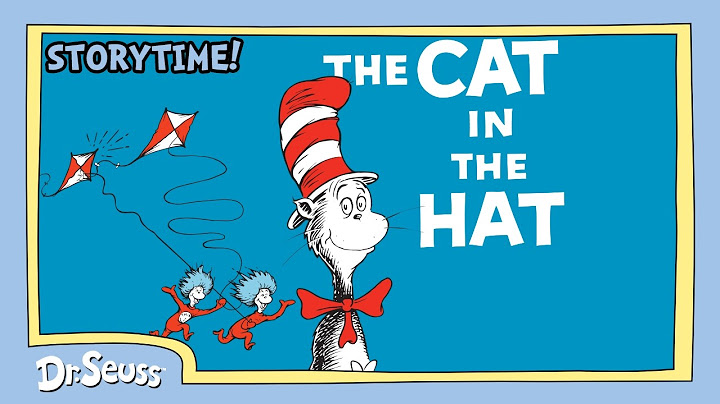
The Cat in the Hat’s main character traits
The Cat in the Hat is playful, inventive, persuasive, mischievous and willing to break rules. These qualities make him fascinating to the two children on a rainy day, but they also make him unreliable. He promises a memorable diversion and then pushes a quiet home toward disorder. A character description that mentions only “fun” misses why the story needs the Fish as a counterweight.
He is best understood as a deliberately exaggerated literary figure rather than a realistic person whose personality can be diagnosed. Dr. Seuss uses the Cat’s confidence, language, and theatrical entrances to put curiosity in conflict with the children’s sense of responsibility.
Playfulness and imagination
The Cat transforms a dull afternoon into an invitation to games and experiments. His oversized hat, showmanship, and improbable tricks suggest that imagination can reframe an ordinary setting. Children encounter someone who appears able to make almost anything possible, which explains the character’s lasting appeal beyond one specific film adaptation.
Yet playful energy is not automatically harmless. Much of the comedy comes from the gap between the Cat’s cheerful presentation and the increasingly uncomfortable effect of his actions on other occupants of the house. That tension makes his creativity dramatic rather than merely decorative.
Mischief, boundaries, and the Fish
The Fish repeatedly objects to the Cat’s behavior and draws attention to the fact that the children’s mother is away. In that contrast, the Fish represents caution, routines, and the responsibility that a guest might choose to ignore. The Cat’s response to objections is often to introduce still more entertainment instead of pausing to ask permission.
Thing One and Thing Two intensify that pattern: additional helpers do not necessarily create control. This is why the Cat can be funny and troubling in the same scene. His most distinctive trait may be not his creativity alone, but his assumption that his own idea of a good time is enough to justify what happens next.
Responsibility and the story’s conclusion
The tension over the mess gives the story its stakes. The children must decide what to do when a stranger offers exciting experiences with obvious consequences. The Cat’s arrival invites spontaneity, but the story also raises the question of who is expected to repair the damage afterward.
A strong classroom answer can therefore describe the Cat as imaginative and adventurous, then add that he is impulsive and sometimes inconsiderate. The story works because readers can appreciate his absurdity without being required to approve of every choice.
Book character versus movie interpretations
The original The Cat in the Hat was published in 1957. Later films give the Cat additional lines, situations, visual inventions, and relationships. Those additions can shift how he seems—more sentimental in one version, louder or more disruptive in another—without changing the central literary contrast between imaginative freedom and the limits of a shared home.
When writing about character traits, cite scenes or patterns in the original book and label film-only material separately. The actor playing the Cat, the 2003 live-action cast, and the 2026 animated release are distinct searches that should not dominate a character-analysis page.
Frequently asked questions
What are three traits of the Cat in the Hat?
Playful, imaginative and mischievous are three central traits; impulsive and persuasive are also relevant.
Is the Cat in the Hat a good character?
He is entertaining but disruptive. The story allows readers to enjoy his imagination while questioning his choices.
Why is the Fish important?
The Fish voices caution and highlights the boundaries that the Cat’s games ignore.
What does the Cat symbolize?
A common interpretation is temptation toward spontaneous fun; the story also explores responsibility and consequences.
Are the Cat’s traits identical in every film?
No. Adaptations expand the character differently, so separate traits supported by the original book from movie-specific scenes.
Related reading
The Fish in The Cat in the Hat: Character, Role and 2003 Voice Actor
Thing 1 and Thing 2 in The Cat in the Hat: Book and 2003 Movie
Sources and verification
Dr. Seuss — official publisher and character resources
