Controversial Political Topics: Examples and Fair Discussion Methods
Explore examples of contested political issues and methods for discussing opposing views fairly and checking evidence.
LATEST NEWS / EDITORIAL EXPLAINER
Controversial Political Topics: Examples and Fair Discussion Methods
REFERENCE GUIDE • US ENGLISH
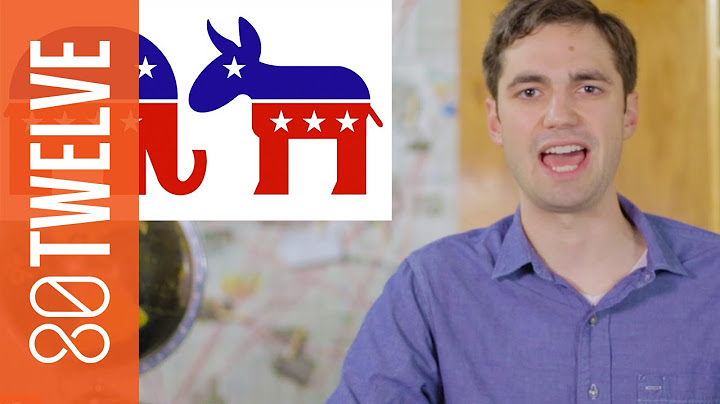
A controversial political topic is an issue on which people disagree about laws, public priorities, rights, or the use of government power. Disagreement may come from values, different interpretations of evidence, competing interests, or genuinely uncertain consequences. Discussing these subjects fairly requires understanding both the factual record and the questions people are trying to answer.
Examples of controversial political topics
Immigration policy: Debates may address border management, lawful pathways, asylum procedures, labor needs, enforcement costs, and humanitarian obligations. These are distinct policy choices; citing one statistic rarely settles all of them.
Health care financing: People disagree about the roles of government, employers, insurers, and individuals, as well as how to balance cost, access, quality, and choice. A policy comparison should define each plan rather than relying on slogans.
Gun policy: Arguments may involve constitutional interpretation, public safety, prevention, enforcement, and the effects of particular regulations. Evidence about one rule cannot automatically be generalized to every proposed measure.
Climate and energy: Common questions include how quickly to reduce emissions, which technologies to support, how to protect reliability, and who should bear transition costs. Different timelines and assumptions can produce different estimates.
Education governance: Curricula, school choice, funding, parental participation, and student rights can provoke intense debate. Readers need the precise policy text and jurisdiction, not a generalized description of what 'schools' do.
Privacy and technology: Debates about surveillance, encryption, facial recognition, and artificial intelligence involve security benefits, accountability, potential discrimination, and civil liberties.
Separate three kinds of disagreement
First, there are factual questions: What does the law say? How much would a proposal cost under a specified model? Did a cited event happen? These should be checked against documents and reliable evidence.
Second, there are predictive questions: What is likely to happen if a rule changes? Forecasts may differ because assumptions and methods differ. Explain the assumptions and what would falsify the prediction.
Third, there are value questions: Which goals deserve priority, and which tradeoffs are acceptable? These cannot be resolved by statistics alone, although accurate facts make the debate more productive.
How to present perspectives without false balance
Summarize each serious position in terms its informed supporters would recognize. Identify the interests, principles, evidence, and acknowledged tradeoffs. Also identify points where reputable evidence is overwhelmingly one-sided. Fairness does not require presenting an unsupported claim as equally plausible merely because someone advocates it.
Avoid turning individuals into caricatures or implying all members of a group share one position. Polling can help describe attitudes when sample dates, population, wording, and uncertainty are visible. A viral post is not a substitute for public opinion research.
A discussion method for classrooms and communities
Choose a narrowly defined question, such as whether a city should alter the timing of public hearings. Read the actual proposal. Write down two or three goals participants share, then list the costs and benefits each side expects. Check disputed assertions separately. Invite participants to explain which evidence would change their minds.
For a discussion to remain useful, use ground rules that prohibit harassment, encourage precise language, and protect participants from being pressured into revealing private experiences. Library of Congress teaching resources show how primary sources can help examine disagreements while recognizing historical context and bias.
Questions that sharpen an argument
Is the claim about facts or values? What exact policy is being proposed? Who would implement and enforce it? What evidence supports projected benefits? Who might bear costs? What alternatives have been considered? These questions turn a broad controversy into a researchable issue.
Frequently asked questions
What are examples of controversial political topics?
Immigration, health care, gun legislation, energy policy, education governance, and digital privacy are common areas of debate.
How can people discuss politics respectfully?
Define the question, verify shared facts, represent opposing arguments accurately, and avoid personal attacks.
Does fairness mean giving every claim equal weight?
No. Fair presentation includes evaluating source quality and the strength of available evidence.
Are controversial issues always partisan?
No. Some divide people within the same party or community, and some involve tradeoffs unrelated to party identity.
Related reading
For a different question, see Social Problems: Definition and Real-World Examples. These guides cover different reader intents and should not replace this page.