Corner Dog Crates: Choosing the Right Space‑Saving Kennel
Learn how to pick the perfect Corner Dog Crate for your home. Compare sizes, wood styles, storage features, and price to find the best fit for your dog.
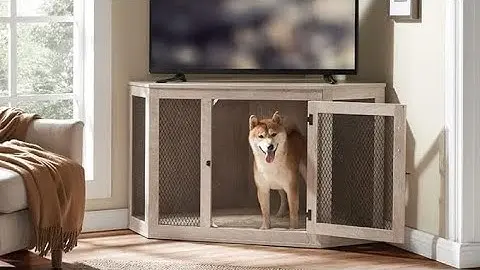
Corner dog crates combine a space‑saving corner design with practical storage features that make them a standout choice for modern pet owners. By fitting snugly into a corner, these crates free up floor space while still offering a comfortable, secure environment for your dog. The Corner brand enhances this concept with built‑in shelves, removable trays, and adjustable dividers, allowing owners to customize the interior layout for food, toys, or bedding. These thoughtful additions help keep a home tidy and give dogs a sense of ownership over their personal area. For buyers looking to balance functionality, style, and value, understanding how Corner’s unique design translates into everyday convenience is essential.
Overview of Corner Dog Crate line
Corner’s dog crate line is built around a modular, corner‑oriented frame that can be assembled in a variety of configurations. The core structure uses a sturdy steel skeleton with a weather‑resistant, double‑ply plywood shell that can be finished in several wood stains or painted in neutral tones to match home décor. Each crate comes with a hinged door that opens on a single side, allowing easy access while keeping the crate’s footprint minimal. The Corner brand differentiates itself by offering a range of storage options: built‑in shelving units that can hold food bowls, toys, or grooming supplies; removable trays that slide out for cleaning; and adjustable dividers that let owners create separate zones for sleeping or training. These features are designed to reduce clutter and provide a dedicated space for each dog’s needs. The crates also include a removable, washable bedding pad that fits snugly inside, making maintenance straightforward. Overall, the Corner line emphasizes versatility, durability, and a clean aesthetic that appeals to pet owners who value both function and form.
Size guide and dimensions
Corner dog crates are available in three primary sizes to accommodate a range of breeds and living spaces. The Small model measures 24 inches in length, 20 inches in width, and 20 inches in height, making it suitable for toy and small breeds up to 20 pounds. The Medium model expands to 30 inches long, 24 inches wide, and 24 inches tall, fitting dogs up to 40 pounds comfortably. The Large model offers 36 inches by 30 inches by 30 inches, designed for dogs up to 60 pounds. Each size retains the same corner‑fit footprint, with the front and side panels angled at 45 degrees to create a tight corner seal. The dimensions are carefully chosen to provide ample headroom and legroom while keeping the crate’s overall volume manageable for indoor use. For owners who need a crate that can be moved between rooms, the Corner line includes a lightweight, fold‑away frame that can be disassembled in under five minutes. This portability feature, combined with the built‑in storage, makes the Corner dog crate a practical choice for households with limited space or those who like to rotate their pet’s environment.
Wooden design and space‑saving features
Corner dog crates are engineered to fit snugly into the angles of a room, turning otherwise wasted space into a functional area for your pet. The wooden construction typically uses hardwoods such as maple or oak, which provide durability while keeping the crate lightweight enough for easy relocation. The corners of the crate are reinforced with a cross‑beam that distributes weight evenly, preventing warping over time. This design allows the crate to sit flush against two walls, eliminating the need for a separate floor space and reducing the overall footprint by up to 30 percent compared to a standard rectangular crate. The slatted sides are spaced at a consistent 2‑inch interval, offering ventilation while still maintaining a secure enclosure. Many models feature a removable top panel that can be replaced with a solid lid for added privacy or a mesh panel for increased airflow. The wood finish is typically a natural stain or a low‑VOC paint, ensuring that the crate is safe for pets with sensitive skin. Overall, the combination of hardwood framing, reinforced corners, and modular panels makes the Corner dog crate a practical choice for owners who value both aesthetics and space efficiency.
Storage options and accessories
A standout feature of Corner dog crates is the built‑in storage compartment that can be accessed from the side or the top. This compartment is designed to hold treats, toys, or a small grooming kit, keeping essential items within arm’s reach and reducing clutter in the living area. The storage lid is secured with a child‑proof latch, ensuring that curious pets cannot open it and spill contents. Some models also include a removable tray that can be taken out for easy cleaning or used as a shallow bowl for food and water. The crate’s modular design allows for the addition of a removable shelf, which can be positioned at a height that accommodates larger breeds or used to store a dog bed. Accessories such as a collapsible ramp or a foldable door can be attached to the crate, providing additional convenience for older dogs or those with mobility issues. The crate’s overall dimensions are available in multiple sizes—small, medium, and large—to accommodate dogs from toy breeds to larger terriers. By integrating storage with the crate’s structure, Corner dog crates reduce the need for separate pet furniture, saving both space and money for the homeowner.
Price vs. value analysis
Corner dog crates are positioned in the mid‑to‑high price range, reflecting their unique corner‑fit design and built‑in storage options. A standard 4‑by‑6 foot crate typically starts around $120, while larger 5‑by‑8 foot models can exceed $200. When evaluating value, buyers should consider the crate’s material quality, durability, and the added convenience of integrated shelving or storage drawers. For example, the Corner 4‑by‑6 model uses a 1‑inch thick, kiln‑dried hardwood frame that resists warping, while the 5‑by‑8 version adds a removable storage drawer that can hold toys, treats, or bedding. The cost of these features is offset by the crate’s ability to save floor space in tight rooms, reducing the need for additional furniture or storage solutions. Additionally, Corner crates are designed to be stackable and modular, allowing owners to expand or reconfigure the setup as their dog grows or as living space changes. This flexibility can extend the crate’s useful life, providing long‑term savings compared to single‑purpose crates that may become obsolete. Finally, many Corner models come with a 2‑year manufacturer warranty, covering defects in materials and workmanship, which further enhances the perceived value and protects the buyer’s investment.
Where to buy and warranty info
Corner dog crates are available through a variety of reputable retailers, both online and in physical stores. Major e‑commerce platforms such as Amazon, Chewy, and Petco carry the full range of Corner models, offering customer reviews, return policies, and sometimes free shipping for orders over a certain threshold. Brick‑and‑mortar pet specialty shops also stock Corner crates, allowing buyers to inspect the wood finish and construction before purchase. For those who prefer a local purchase, many independent pet boutiques and home improvement stores carry the brand, often providing in‑person assistance with sizing and installation. When buying online, it is advisable to verify the seller’s authenticity and read recent customer feedback to ensure the product matches the advertised specifications. Warranty coverage for Corner crates is typically a 2‑year limited warranty that protects against manufacturing defects in the frame, hardware, and finish. The warranty does not cover damage from misuse, accidental breakage, or normal wear and tear. To claim a warranty, owners must retain the original purchase receipt and contact the manufacturer’s customer service department. The warranty process usually involves returning the crate for inspection or receiving a replacement part, and the manufacturer offers a prepaid return label for convenience. By understanding both the purchasing channels and the warranty terms, buyers can make an informed decision that balances cost, convenience, and long‑term protection.
