Covering Puppy Crates: Benefits, Risks, and Best Practices
Answer the question of whether to cover a puppy crate, with safety tips and recommendations for proper crate covering.
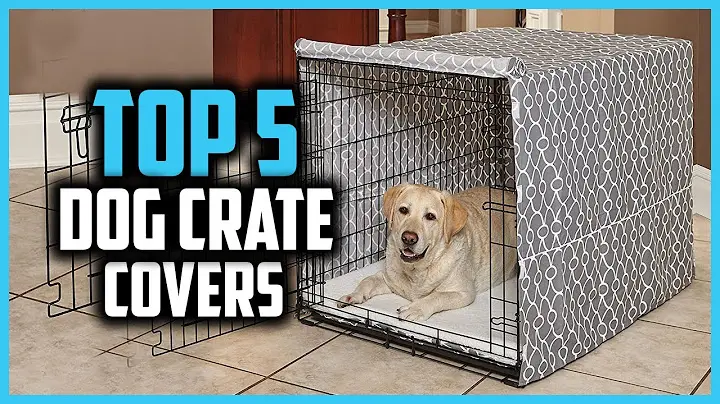
Covering a puppy crate can feel like a quick fix for a restless pup, but it’s more than a cozy blanket. The decision hinges on safety, comfort, and training goals. Understanding the pros and cons, and knowing when a cover is appropriate, helps you create a secure, stress‑free environment for your new companion.
Pros and Cons of Covering a Puppy Crate
Covering a crate offers a sense of enclosure that can reduce anxiety for some puppies, mimicking the den‑like environment they feel safe in. The darkness can help regulate their circadian rhythm, especially during nighttime, and may encourage better sleep patterns. A well‑placed cover also blocks visual stimuli, limiting distractions that might otherwise trigger hyperactivity or barking. However, the same enclosure can become a source of confinement if the puppy is not fully comfortable with the crate. A cover that is too tight or heavy can impede ventilation, leading to overheating or poor air quality. Puppies that are still learning to trust the crate may feel trapped, which can increase stress and potentially lead to destructive behaviors once they are released. Additionally, a cover can obscure the puppy’s view of its surroundings, making it harder for owners to monitor its behavior and intervene if needed. The key is to balance the calming benefits with the need for adequate airflow, visibility, and the puppy’s overall comfort.
When Is It Safe to Use a Crate Cover?
The safest time to introduce a crate cover is after the puppy has demonstrated consistent, calm behavior inside the crate for at least 30 minutes on multiple occasions. This indicates that the crate is a positive space rather than a punishment. The cover should be lightweight, breathable, and designed with a mesh or perforated section to allow airflow and visibility. It is essential to ensure the cover does not obstruct the puppy’s nose or mouth, which could cause breathing difficulties. The cover should be removed during the day or when the puppy is active, as puppies need stimulation and interaction to prevent boredom. Temperature is another critical factor: in hot weather, a cover can trap heat, so it should only be used in cooler environments or during nighttime when ambient temperatures are lower. Finally, always supervise the puppy during the first few nights with a cover to observe for signs of distress, such as excessive panting, whining, or attempts to escape. If any of these signs appear, the cover should be removed immediately.
Materials and Types of Crate Covers
Choosing a crate cover involves balancing comfort, safety, and ventilation. The most common materials are cotton, polyester blends, and fleece. Cotton covers are breathable and soft, making them ideal for puppies that may feel claustrophobic. Polyester blends, often with a mesh panel, provide durability and easy machine washing, which is useful for households with multiple pets. Fleece offers warmth and a plush feel, suitable for cooler climates but can trap heat if the puppy is active. Each material has a weight range; lightweight covers (under 1.5 ounces per square foot) are easier to handle, while heavier options (over 2 ounces) offer more insulation but may feel restrictive. The design of the cover also matters. A simple rectangular sheet with a zipper or Velcro closure allows quick access and ensures the puppy can exit without struggle. Some covers feature a built‑in mesh window that lets you see the puppy while still providing a sense of enclosure. Others have a “hood” style that covers the top of the crate, creating a den‑like environment that many puppies find comforting. When selecting a cover, check that the closure is secure but not so tight that it restricts the puppy’s movement. The cover should also be easy to remove for cleaning; covers that can be detached and laundered in a standard washing machine save time and reduce the risk of mold buildup. Safety considerations are paramount. Avoid covers with loose strings or dangling parts that could become entangled. Ensure the cover does not cover the crate’s ventilation holes; a fully sealed cover can cause overheating. If you choose a mesh‑lined cover, verify that the mesh size is small enough to prevent the puppy from pulling its head through. Finally, consider the crate’s size: a cover that is too large can shift and create a loose edge that the puppy might chew or pull on, potentially compromising the crate’s structural integrity. By matching material, design, and size to your puppy’s temperament and the crate’s specifications, you can create a safe, comfortable environment that supports healthy sleep and training.
How to Introduce a Cover to Your Puppy
Introducing a crate cover should be a gradual, positive experience. Start by placing the cover over the crate while the puppy is outside, allowing it to sniff and investigate without pressure. Offer a favorite treat or a small portion of kibble on top of the cover to create a positive association. Once the puppy shows curiosity, gently guide it into the crate with the cover on, ensuring the puppy’s head can comfortably fit through the opening. Praise and reward immediately after the puppy settles inside. During the first few nights, keep the cover partially open or use a vented cover so the puppy can see the surrounding area. This reduces the sense of confinement and helps the puppy acclimate. Observe the puppy’s behavior: if it appears anxious, try a lighter cover or one with a larger opening. If the puppy is comfortable, you can gradually reduce the opening size over several days. Consistency is key. Use the cover at the same times each day, such as during bedtime or when you leave the house. This routine signals to the puppy that the cover is a normal part of its environment. Avoid using the cover as a punishment; it should never be associated with negative experiences. If the puppy shows signs of distress—such as excessive whining, attempts to escape, or chewing on the cover—remove the cover and reassess the fit and material. Finally, maintain hygiene by washing the cover regularly. Puppies shed fur and can leave drool or accidents on the cover, which can lead to odor or bacterial growth. A clean cover promotes a healthy sleeping area and reinforces the crate’s role as a safe, cozy den. By following these steps, you can ensure a smooth transition to a covered crate that supports your puppy’s well-being.
Alternatives to Full Crate Covers
Many puppy owners wonder whether a full crate cover is the best way to create a safe, comfortable environment for their new dog. While a blanket or towel can provide a sense of enclosure, it can also trap heat, limit ventilation, and create a space where a puppy might become anxious or even suffocate if the cover is too tight. A more balanced approach uses a combination of design choices that promote safety, comfort, and training effectiveness. First, consider a crate with a removable, breathable mesh panel. This allows the puppy to see outside while still feeling protected, reducing the likelihood of the dog feeling trapped. Second, use a lightweight, breathable fabric that can be easily removed or adjusted. This gives the puppy the option to open the cover when it feels safe, encouraging independence and reducing the risk of claustrophobia. Third, incorporate a “crate door” or a small opening that can be closed with a latch or a simple Velcro strap. This gives the puppy a clear boundary while still allowing airflow and visibility. Fourth, use a crate that has a built‑in “comfort zone” such as a padded floor or a small, removable bed that can be placed inside. The puppy can then choose to curl up or stay upright, depending on its mood. Finally, consider a crate with a “soft” or “semi‑open” design, such as a playpen or a crate with a partially open top. This style provides a sense of enclosure without fully sealing the space, allowing the puppy to see and hear the household while still having a defined area to retreat to.
