Crash‑Tested Dog Crates: Protect Your Pet on the Road
Discover crash‑tested dog crates, how they’re certified, and the best models for car travel safety. Compare Impact, Ruffland, and other top brands.
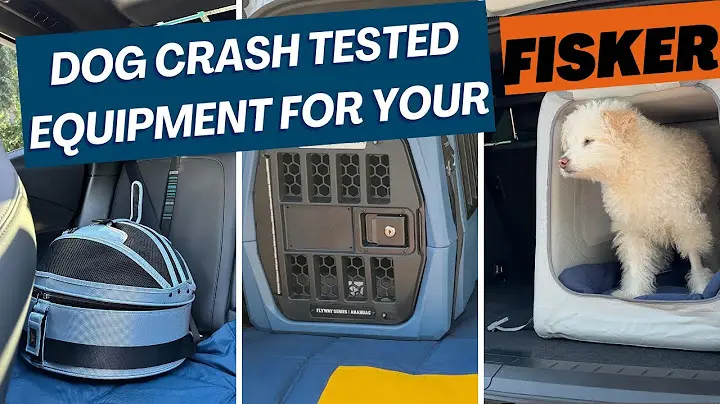
When a pet owner plans a road trip, the safety of their dog is paramount. Crash‑tested dog crates give peace of mind by proving that a crate can withstand the forces of a collision. These crates are evaluated under strict protocols that simulate real‑world impacts, ensuring that the structure, restraint system, and materials meet or exceed industry standards. Understanding how these tests work and which brands consistently perform well helps buyers choose a crate that protects their animal without compromising comfort or convenience.
What is Crash‑Testing?
Crash‑testing for pet crates is a systematic evaluation of a crate’s ability to protect a dog during a vehicular collision. The process begins with a standardized test vehicle, typically a 200‑mile‑per‑hour impact scenario, that is equipped with a crash test dummy representing a medium‑sized dog. The crate is mounted in the vehicle’s rear seat, and the dummy is secured with the crate’s restraint system. The vehicle then collides with a rigid barrier, and sensors record forces, accelerations, and structural deformations. The test is repeated under different conditions—such as varying angles and speeds—to assess the crate’s performance across a range of realistic crash scenarios. The primary goal of crash‑testing is to verify that the crate’s frame, sidewalls, and restraint system can absorb and distribute impact forces without compromising the safety of the animal inside. A successful test requires that the dummy’s head and neck remain within safe acceleration limits, that the crate’s structure does not collapse or breach, and that the restraint system holds the dummy firmly in place. If a crate fails any of these criteria, it is deemed unsafe for use in a vehicle. Crash‑testing also informs manufacturers about potential design improvements. By analyzing where a crate fails—whether in the frame, the restraint, or the material—designers can reinforce weak points, select stronger alloys, or adjust the restraint’s geometry. Over time, this iterative process has led to a noticeable improvement in the overall safety of pet crates available on the market today.
Certification Bodies (CPS, etc.)
Certification bodies are independent organizations that establish testing protocols, evaluate results, and award safety ratings to pet crates. Two of the most recognized bodies in the United States are the Consumer Product Safety Commission (CPSC) and the American Automobile Association (AAA). Each organization has its own set of standards, but both focus on ensuring that crates can protect dogs during a collision. The CPSC’s pet crate standard, known as 16 CFR Part 1500, requires that a crate must withstand a 200‑mile‑hour impact without compromising the safety of the animal. Crates that meet this standard are labeled with the CPSC seal, indicating compliance with federal safety regulations. The CPSC also mandates that manufacturers provide clear instructions for installation, restraint, and maintenance. The AAA’s “Safe Pet Travel” program evaluates crates based on a combination of crash‑test data, restraint system performance, and ease of use. Crates that earn an AAA certification are tested in a 200‑mile‑hour impact and must demonstrate that the restraint system can hold a dog’s head and neck within safe limits. The AAA seal is often seen on high‑end crates from brands such as Impact and Ruffland. Other certification bodies include the National Highway Traffic Safety Administration (NHTSA) and the International Organization for Standardization (ISO). While these organizations do not specifically certify pet crates, they provide guidelines that manufacturers can follow to align with broader automotive safety standards. When shopping for a crash‑tested crate, look for certifications from reputable bodies. A CPSC or AAA seal assures that the crate has undergone rigorous testing and meets industry‑wide safety benchmarks.
Top Certified Crates
Crash‑tested dog crates are evaluated by independent safety organizations such as the National Highway Traffic Safety Administration (NHTSA) and the Insurance Institute for Highway Safety (IIHS). These agencies conduct standardized impact tests that simulate rear‑end collisions at 35 mph and side‑impact scenarios. A crate that passes these tests receives a certification label, indicating it can protect a dog during a crash. The most widely recognized certifications are the NHTSA “Crash‑Tested” seal and the IIHS “Safe” rating. When shopping, look for crates that display these seals on the packaging or in the product description. Among the certified models, the Impact Dog Crate series stands out for its robust steel frame and reinforced side panels. Impact’s crates are designed to absorb impact forces and keep the dog’s head and neck protected. The Ruffland “Crash‑Tested” line offers a more affordable option while still meeting NHTSA standards; its aluminum frame is lighter but still provides a high level of protection. Other notable brands include the K9 Safety “Crash‑Tested” crate, which features a double‑layered foam interior and a side‑impact shield, and the PetSafe “Crash‑Tested” crate, which is certified by the American Automobile Association (AAA). Each of these models has undergone third‑party testing and has been rated for both rear‑end and side‑impact crashes. When comparing crates, consider the weight capacity, interior dimensions, and the type of fastening system. The Impact crate uses a heavy‑duty steel latch that is resistant to tampering, while Ruffland’s latch is lighter but still meets safety standards. The interior foam in Impact and K9 Safety crates is specifically engineered to cradle the dog’s head, reducing the risk of injury during a collision.
Installation & Car Compatibility
Installing a crash‑tested crate correctly is essential for the safety rating to hold. First, locate a spot in the vehicle that allows the crate to sit flat on the floor and not interfere with the driver’s line of sight. The most common placement is in the rear seat or trunk, depending on the vehicle’s size. Secure the crate using the manufacturer’s recommended straps or the vehicle’s seat belt anchor points. Most certified crates come with a set of adjustable straps that attach to the seat belt or the vehicle’s built‑in anchor points. For rear‑seat installation, the straps should be tightened so that the crate cannot shift more than an inch in any direction. In the trunk, the crate is typically secured with a combination of straps and a seat belt that runs through the crate’s built‑in anchor. Compatibility varies by vehicle model. For compact cars, the Impact crate’s 20‑inch width fits comfortably in the rear seat, while larger SUVs can accommodate the 24‑inch wide Ruffland model. Always check the crate’s dimensions against your vehicle’s interior measurements before purchasing. During installation, it is important to test the crate’s stability by gently rocking it. A properly secured crate should not move at all. If it does, adjust the straps or consider a crate with a built‑in locking mechanism. Some manufacturers offer a “crash‑test kit” that includes a dummy weight to simulate a dog’s mass, allowing you to verify the crate’s stability under load. Finally, remember that the crate’s safety rating is contingent on correct installation. Even a certified crate can fail to protect a dog if it is not properly secured. Following the manufacturer’s installation guide and using the recommended straps ensures that the crate’s crash‑tested performance translates into real‑world safety.
FAQ
When traveling with a dog, the safety of the crate is paramount. The most reliable way to confirm a crate’s safety is through independent crash‑testing programs such as the U.S. Consumer Product Safety Commission’s (CPSC) “Crash Test” certification or the National Highway Traffic Safety Administration’s (NHTSA) “Vehicle Safety” program. These tests expose the crate to controlled impacts that simulate real‑world collisions, measuring how well the crate protects a dog’s head, neck, and torso. A crate that passes these tests will display a certification label, often accompanied by a rating or a “Crash‑Tested” seal. It is important to verify that the label is current and that the testing was performed by a recognized authority, not a manufacturer’s internal test. In addition to certification, the design of the crate matters. A good crash‑tested crate should have a rigid frame, secure side panels, and a harness or restraint system that keeps the dog in place without restricting breathing. Many top brands, such as Impact, Ruffland, and K&H, incorporate these features and have earned certification from the CPSC. The frame should be made of high‑strength steel or aluminum, and the interior should be padded with a breathable, washable material. The crate’s door should lock securely, and the overall weight should be manageable for the vehicle’s seat belt or LATCH system. When choosing a crash‑tested crate, consider the size of your dog and the vehicle’s interior space. Measure your dog’s length, height, and weight, then compare those dimensions to the crate’s specifications. A crate that is too small can cause injury during a crash, while a crate that is too large may shift or become unstable. Many manufacturers provide a “size guide” and a “fit calculator” on their websites. Finally, keep in mind that a crate’s certification is only one part of a comprehensive safety plan. Always use a seat belt or harness to secure the crate to the vehicle’s seat, and avoid placing the crate in the front passenger seat if the vehicle has airbags. By combining a certified crate with proper installation and restraint, you can give your dog the best protection on every trip.
