Dog Crate Pad Buying Guide
Learn how to choose the right crate pad for comfort and hygiene, compare materials, sizes, and see top recommendations for indoor and travel crates.
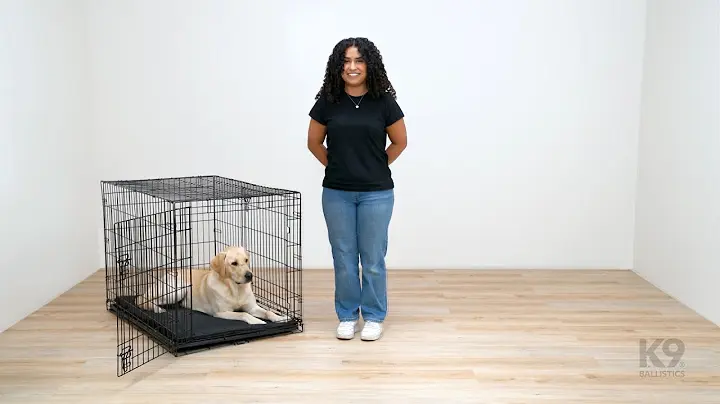
A crate pad is more than a simple bedding layer; it’s a key component of a dog’s daily comfort, hygiene, and overall well‑being. By offering a soft, absorbent surface, a pad reduces pressure points, helps regulate body temperature, and keeps the crate clean and odor‑free. Choosing the right pad—considering size, material, and washability—ensures your dog enjoys a safe, healthy environment whether at home or on the road.
Why use a crate pad?
Crate pads serve multiple practical purposes that directly impact a dog’s health and the owner’s convenience. First, they provide a cushioned surface that mitigates joint stress, especially for older dogs or breeds prone to arthritis. A padded floor absorbs impact from standing or moving, reducing the risk of hip dysplasia or tendon strain. Second, a pad improves temperature regulation. Many pads are made from breathable, moisture‑wicking fabrics that keep the crate cooler in summer and warmer in winter, preventing overheating or chilling. Third, they act as a barrier against urine, feces, and shedding fur, keeping the crate cleaner and reducing the frequency of full‑crate clean‑ups. This hygiene benefit also lowers the risk of skin irritation or infection caused by prolonged contact with damp or soiled bedding. Fourth, a well‑chosen pad can help manage behavioral issues. Dogs that feel secure on a comfortable surface are less likely to chew or dig at crate walls, which can damage the enclosure and create a stressful environment. Finally, for travel or boarding, a pad offers a familiar, reassuring texture that eases anxiety during separation or unfamiliar surroundings. Overall, a crate pad is a small investment that yields significant benefits for both the dog’s physical comfort and the owner’s peace of mind.
Material comparison
When selecting a crate pad, the material determines comfort, durability, and maintenance. Foam pads, typically made from closed‑cell polyurethane, offer excellent cushioning and are lightweight. They resist moisture absorption, making them ideal for indoor use, but they can retain odors if not cleaned regularly. Foam pads are also inexpensive and easy to replace, but they may compress over time, reducing their supportive qualities. Cotton‑based pads, often woven or quilted, provide natural breathability and a soft feel. They are highly absorbent, which helps control moisture and odors, but they require frequent washing to prevent mold growth. Cotton pads can be more expensive and may not hold their shape as well as foam. Microfiber pads combine the benefits of both: a dense, plush surface that resists water and is machine‑washable. They are durable, hypoallergenic, and maintain softness after multiple washes, making them suitable for both indoor and travel crates. However, microfiber can be pricier and may not be as breathable as cotton. Finally, rubber or silicone pads are water‑proof and easy to wipe clean, but they can be slippery for dogs and may not provide adequate cushioning for larger breeds. Choosing the right material depends on the dog’s size, activity level, and the owner’s cleaning preferences.
Sizing guide
Choosing the right size of crate pad is essential for both comfort and hygiene. The pad should fit snugly within the crate, leaving no gaps that can trap moisture or allow the dog to slip. A common rule of thumb is to measure the interior length and width of the crate and then add a few inches to each dimension to account for the pad’s thickness. For example, a 24‑inch long crate typically requires a pad that is 26 inches long and 18 inches wide. This slight overhang ensures that the pad covers the entire floor area and provides a stable base for the dog. When selecting a pad, consider the height of the dog’s legs. A pad that is too thin may not provide enough cushioning for larger breeds, while an overly thick pad can create a slope that makes it difficult for the dog to enter or exit the crate. Many manufacturers offer adjustable or modular pads that can be cut to fit custom dimensions. Another factor is the pad’s weight. A heavier pad will stay in place during movement, reducing the risk of the dog slipping. However, a pad that is too heavy can be cumbersome to move, especially when transporting the crate. Finally, evaluate the pad’s durability. Pads made from high‑density foam or memory foam tend to retain shape longer than those made from standard foam. For dogs that chew or scratch, a pad with a reinforced outer layer can prevent premature wear. By combining accurate measurements, appropriate thickness, manageable weight, and durable construction, you can ensure a crate pad that offers both comfort and long‑term performance.
Top 5 crate pads
1. **K&H Pet Products Dog Crate Pad** – This pad features a waterproof, non‑slip backing and a plush, memory‑foam top layer. Its 24×18 inches size fits most medium‑sized crates, and the removable cover is machine‑washable, making it ideal for frequent cleaning. 2. **BarkBox Dog Crate Pad** – Designed with a durable, waterproof core and a soft fleece exterior, this pad offers excellent moisture resistance. The 20×16 inches size is perfect for small to medium crates, and the pad’s reinforced edges prevent fraying. 3. **PetSafe Dog Crate Pad** – A budget‑friendly option, this pad uses a high‑density foam base with a washable cotton cover. It measures 22×18 inches and is available in a variety of colors, allowing owners to match décor while maintaining hygiene. 4. **Snoozer Dog Crate Pad** – This pad combines a memory‑foam layer with a waterproof backing, providing both comfort and protection against spills. Its 24×18 inches size accommodates a wide range of crate sizes, and the pad’s reinforced corners add durability. 5. **Amazon Basics Dog Crate Pad** – A versatile, multi‑use pad that works well for both indoor and travel crates. It features a non‑slip surface and a removable, machine‑washable cover. The 20×16 inches size is suitable for smaller crates, and the pad’s simple design makes it easy to store and transport.
Cleaning & maintenance
A crate pad is only as useful as it remains clean and hygienic. The first step in maintaining a pad is to establish a routine that fits the dog’s usage pattern. For a crate used daily, a weekly wash is recommended; for a crate used less frequently, a bi‑weekly or monthly clean will suffice. The cleaning method depends largely on the pad’s material. Foam pads that are not waterproof can be spot‑cleaned with a mild detergent and warm water, then left to air dry. If the pad is waterproof or has a removable cover, it can be machine washed on a gentle cycle with a pet‑safe detergent. Always rinse thoroughly to remove any detergent residue that could irritate the dog’s skin. After washing, the pad should be completely dry before re‑introducing it to the crate. Damp pads can foster bacterial growth and cause odors. A quick way to ensure dryness is to place the pad in a well‑ventilated area or use a fan. If the pad has a removable cover, it can be left to dry separately from the foam or fabric base. Regular inspection is also essential. Look for signs of wear such as torn seams, thinning foam, or persistent odors. A pad that has lost its cushioning can become uncomfortable and may encourage the dog to dig or scratch. If you notice any of these issues, replace the pad promptly. Replacing a worn pad is a simple process: remove the old pad, clean the crate surface, and install the new pad according to the manufacturer’s instructions. Finally, consider the crate’s environment. If the crate is in a humid area or near a source of moisture, you may need to clean the pad more frequently. Using a dehumidifier or ensuring adequate airflow can help keep the pad dry and extend its lifespan. By following these steps—regular washing, thorough drying, and vigilant inspection—you can keep a crate pad clean, comfortable, and safe for your dog for years to come.
