Is Daylight Saving Time in Effect? US 2026 Dates
Get a clear, accurate explanation with examples and useful comparisons. Is Daylight Saving Time in Effect? US 2026 Dates.
Is Daylight Saving Time in Effect? US 2026 Dates
The short answer for 2026
In most US locations that observe daylight saving time, DST began on Sunday, March 8, 2026 at 2:00 a.m. local standard time, and ended on Sunday, November 1, 2026 at 2:00 a.m. local daylight time. On November 1 the clock goes back from 2:00 a.m. to 1:00 a.m.; after that local transition, standard time applies.
Whether a particular clock is on DST at a particular moment depends on its actual location and date. Most of Arizona and all of Hawaii do not make the usual DST switch, and US territories have their own rules.
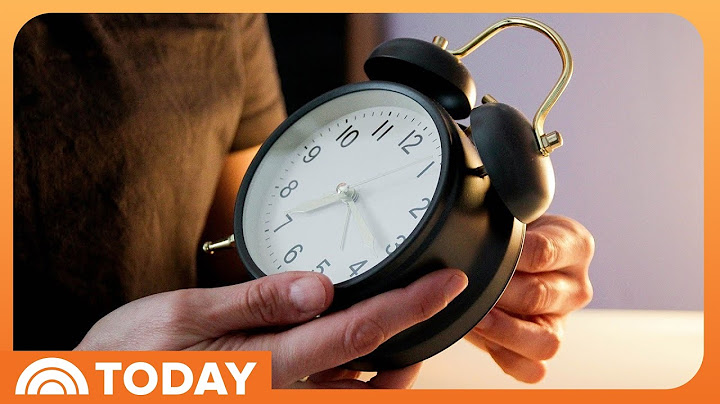
2026 US daylight-saving schedule
| Transition | Date in 2026 | What the clock does |
| Spring forward | Sunday, March 8 | 2:00 AM becomes 3:00 AM |
| Fall back | Sunday, November 1 | 2:00 AM becomes 1:00 AM |
At the autumn switch, the interval from 1:00 to 1:59 a.m. repeats. If you are booking a shift or a trip during that hour, specify the UTC offset or whether you mean the first or second occurrence.
Where the rule does not apply
Hawaii and most of Arizona keep a standard-time clock all year. The Navajo Nation in northeastern Arizona observes DST; Puerto Rico, the US Virgin Islands, Guam and American Samoa do not follow mainland-style summer clock changes. A map or city-specific time zone is safer than one nationwide yes/no answer.
EST, EDT, CST and CDT: what changes?
| Zone family | Winter / standard | Summer / daylight |
| Eastern | EST · UTC−05:00 | EDT · UTC−04:00 |
| Central | CST · UTC−06:00 | CDT · UTC−05:00 |
| Mountain (most areas) | MST · UTC−07:00 | MDT · UTC−06:00 |
| Pacific | PST · UTC−08:00 | PDT · UTC−07:00 |
These names describe US-style seasonal clock behavior, not an instruction to apply the same dates to other countries. The UK returned to GMT on October 25 in 2026, one week before most US regions returned to standard time.
How to check your own clock without guessing
Find your city, not just your state; Arizona, Oregon, Texas and several other places have special geographic boundaries.
Check whether the current date is before or after the 2 a.m. local transition.
Use a city-aware IANA time zone in your calendar, such as America/New_York or America/Los_Angeles.
For a critical reservation during the repeated fall-back hour, record the UTC offset as well as the local hour.
Frequently asked questions
Did US clocks change on November 1, 2026?
Yes, in most areas that observe daylight saving time, clocks moved back at 2 a.m. local daylight time.
Do all states observe daylight saving?
No. Hawaii and most of Arizona do not, and there are additional territorial exceptions.
Is EST used all year in New York?
No. New York uses EDT during its daylight-saving months and EST in its standard-time months.
Related time guides
These related guides answer adjacent questions without repeating the focus of this page: