How Dermatologists Approach Choosing Skin Care Products
Compare basic skin care product criteria dermatologists emphasize, including gentleness, sun protection, and matching products to skin needs.
How Dermatologists Approach Choosing Skin Care Products
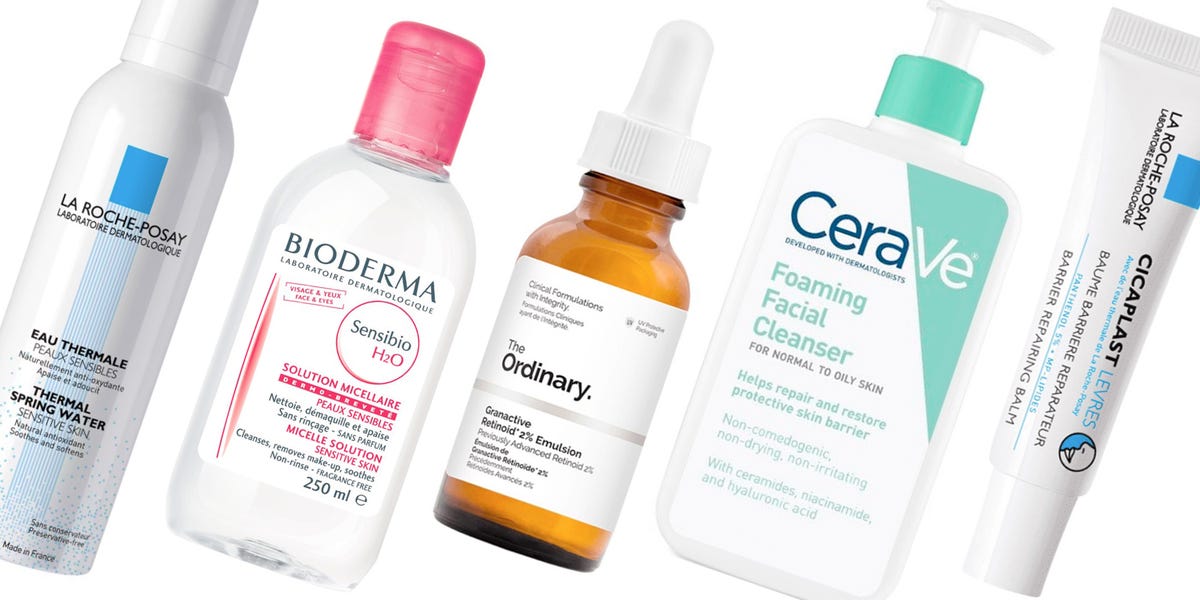
'Dermatologist recommended' is common on skin care packaging, but it can describe different situations: a professional endorses a specific product, a brand consulted clinicians, or an article summarizes general dermatology advice. Instead of assuming a product has medical approval, focus on the criteria dermatologists use to build practical routines.
Start with your skin type and concern
Dryness, oiliness, acne, and irritation do not call for identical formulas. Begin by asking what your skin is doing now rather than what a marketing quiz says it should do. If your skin burns after nearly every new product, reduce the number of products and consider a professional evaluation.
Normal or combination skin may need very few steps. A dermatologist can help distinguish ordinary dryness from eczema or other conditions that need more than cosmetic care.
Choose a gentle cleanser and reliable moisturizer
A mild cleanser should clean without aggressive scrubbing. Moisturizer can help maintain comfort and reduce dryness; its texture can vary by skin type. Fragrance-free formulas may be useful for sensitive skin, while non-comedogenic labeling can help guide people prone to clogged pores.
The exact brand matters less than whether you can use the formula consistently. A complicated routine is not automatically more evidence-based than a simple one.
Keep sunscreen in the daily plan
Broad-spectrum SPF 30 or higher is a useful benchmark for daily sun protection. Follow the product instructions, protect exposed skin, and reapply during outdoor activity as directed, especially after swimming or sweating. Sunscreen is not a substitute for shade and protective clothing.
Treat claims about sun damage, acne, and skin disease with care because some products are regulated as drugs rather than ordinary cosmetics.
What does 'recommended' really tell you?
If a label cites a dermatologist recommendation, ask whether it refers to an independent study, a survey, a brand spokesperson, or specific medical guidance. It does not mean every dermatologist endorses every formula. 'Dermatologist developed' describes involvement in development and does not guarantee that an item suits your skin.
For evidence, prefer clear ingredient purpose, appropriate directions, transparent studies when claimed, and realistic descriptions of results.
Use reviews carefully
Look for reviews from people with similar concerns, but recognize that personal experiences vary. Discount experiences involving many simultaneously changed products, since the cause of any improvement is unclear. Test one addition at a time and keep notes if a reaction occurs.
Common questions
Can a moisturizer be dermatologist recommended and still irritate me? Yes. Individual allergies and tolerance differ.
Do I need a dermatologist to start basic skin care? Many people can start simply, but persistent symptoms or suspected disease warrant professional care.