Understanding Dermatology Products and Their Labels
Understand how dermatology product labels differ from ordinary cosmetic marketing and when a skin concern needs medical advice.
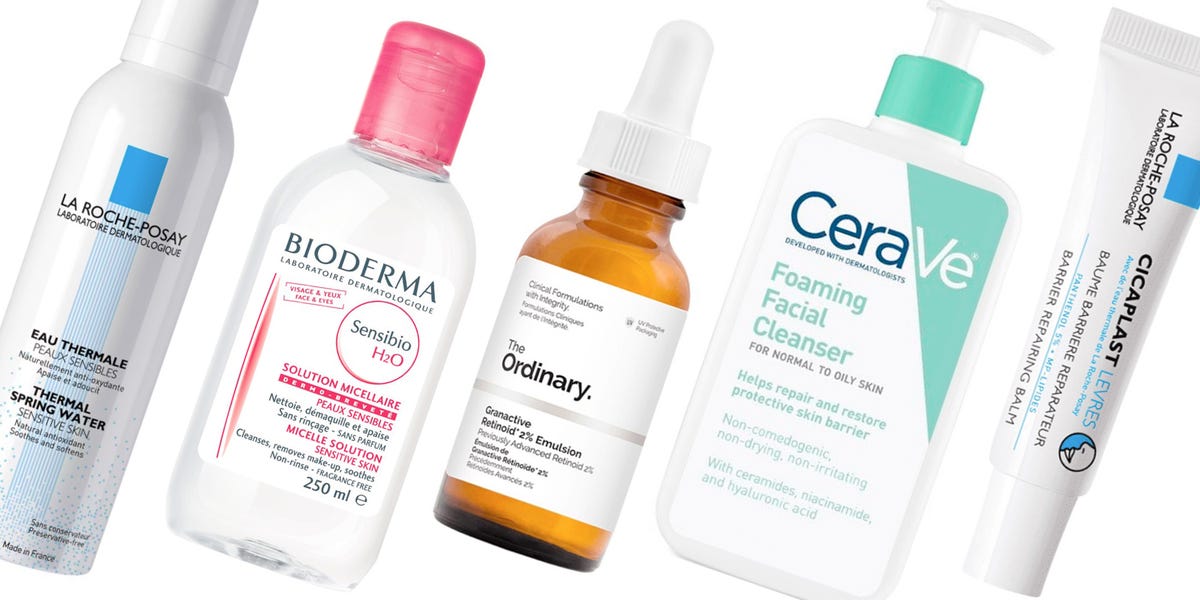
Understanding Dermatology Products and Their Labels
“Dermatology product” is not a single regulatory category. The phrase may appear near moisturizers, acne treatments, sunscreens, and prescription medicines, even though these products have very different intended uses. A reliable selection process starts by reading the product’s claims and label rather than assuming everything sold next to a dermatologist’s name is medical treatment.
Know the difference between a cosmetic and a drug
A moisturizer marketed to soften the appearance of dry skin can be a cosmetic. A product marketed to treat acne, prevent sunburn, or treat a skin disease may be regulated as a drug, or as both a cosmetic and drug, depending on its intended use and claims. This distinction affects the information you should expect on the package.
In the US, cosmetics do not generally receive FDA premarket approval merely because they are called “dermatologist developed.” Claims must still be truthful and not misleading. Check whether the item has Drug Facts labeling when appropriate, and do not confuse brand credentials with regulatory approval.
Read the label for the decision you are making
The front panel summarizes marketing. The full package tells you more about ingredients, directions, warnings, and the company responsible for the product. For a sunscreen, broad-spectrum and SPF labeling are more useful for choosing protection than an “anti-aging” tagline. For a cleanser, sensitivity and comfort often guide practical use.
Ingredients can identify possible conflicts with allergies or previously irritating formulas, but they cannot reveal every aspect of performance. Avoid self-prescribing based on online before-and-after pictures or single reviews. What helps one person may not suit another skin condition.
Recognize misleading medical-sounding claims
Be cautious about products that promise to cure eczema, erase deep scars, eliminate rosacea, or work as well as prescription treatment without suitable evidence. Also question phrases that imply all skin types will have identical results. A claim that a product reduces the appearance of something is not the same as a claim to treat its underlying medical cause.
If a company cites a study, ask which formula was studied, how large the group was, how long the follow-up lasted, and whether the reported outcome matches the advertising. A clinical-looking label is not a substitute for these details.
Know when a clinician should take over
Persistent redness, painful eruptions, unexplained changes, severe reactions, or lesions that do not heal deserve clinical evaluation. A shopping guide cannot diagnose a skin disease or advise you to stop prescribed treatment. Keep a list of products you use and note when a reaction started; that can make a professional appointment more useful.
For ordinary routines, simplifying to gentle cleansing, moisturizer, and sunscreen is often a sensible foundation. Additional treatments should fit a known need rather than being added because the label says “dermatology.”
Practice reading a claim
Compare “helps skin look smoother” with “treats eczema.” The first describes appearance; the second states a disease-treatment purpose and has different regulatory implications. Now look beyond the slogan: what does the product’s labeling say it is, and what instructions and warnings apply? This exercise does not determine legal status by itself, but it helps shoppers identify when a medical-sounding promise deserves more careful scrutiny.
A useful checklist
Identify whether the package makes cosmetic or disease-treatment claims.
Look for Drug Facts when the product is regulated as an OTC drug.
Read instructions and warnings for the exact formula.
Seek medical assessment when symptoms persist or worsen.
Questions readers ask
Is “dermatologist recommended” a regulatory approval?
No. It is a marketing claim whose basis may vary; it does not replace checking the product’s intended use and labeling.
Are all acne products cosmetics?
No. Products intended to treat acne can be regulated as drugs and may require drug labeling.
A helpful dermatology-products checklist separates marketing language, regulatory purpose, and personal suitability. It clarifies which decisions belong in the shopping aisle and which call for a qualified clinician.
Keep exploring
To compare formula quality without brand hype, What Makes a Skin Care Product High Quality?.