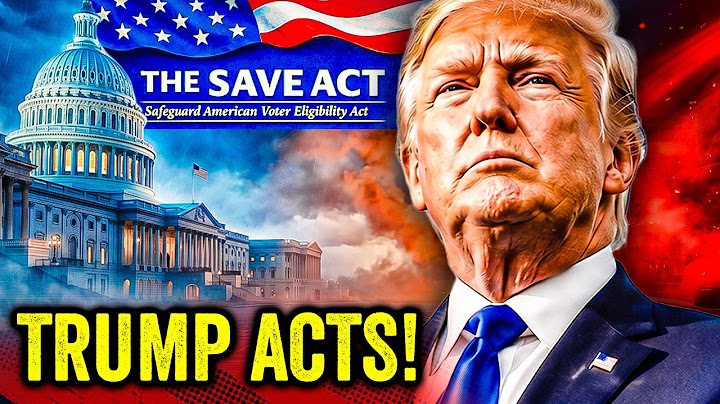
Did the SAVE Act Pass? Status and Voter Registration Facts
Understand the SAVE Act and SAVE America Act legislative status, how bills become law, and what requirements are actually in effect.
Did the SAVE Act Pass? Status and Voter Registration Facts
Voter information guide | U.S. English | Last reviewed: November 2, 2026
DATE-SENSITIVE: Confirm official status and election instructions at publication time. Rules and legislative actions may change after November 2, 2026.
At a glance
Understand the SAVE Act and SAVE America Act legislative status, how bills become law, and what requirements are actually in effect.
The short answer as of November 2, 2026
The SAVE Act and the later SAVE America Act are not interchangeable bill names. Available congressional research and published legislative histories indicate that the 2025 SAVE Act (H.R. 22) passed the House but had not become federal law; the House-passed 2026 SAVE America Act proposal also had not completed enactment. Because legislative status can change, an editor must check Congress.gov or the official Congressional Record on the publication day before presenting a definitive current status. This article is a dated explainer, not a live legislative-status feed.
What the original SAVE Act proposed
The Safeguard American Voter Eligibility Act addressed documentary proof of U.S. citizenship during federal voter registration. Its supporters argued that additional documentation would strengthen confidence in eligibility checks. Critics questioned potential burdens on eligible voters whose documents are difficult to access or whose names differ across records. The important procedural distinction is between a proposal considered by Congress and a statute that has passed both chambers and completed the constitutional enactment process. Headlines saying a bill passed the House do not mean it became law.
Why the SAVE America Act creates confusion
In 2026 a related but distinct package moved through a different legislative vehicle, including S. 1383 after House action. Some articles use SAVE Act as shorthand for both. That can hide differences in bill text, procedural status, and effective-date provisions. A responsible update names the bill number, identifies the chamber action, and distinguishes introduction, House passage, Senate consideration, enrollment, and presidential signature. If a proposal is blocked or revised, the page should say exactly what happened and when.
What should voters actually do right now?
Follow the voter-registration rules published by your state election authority, not assumptions drawn from pending legislation. Federal-election eligibility already includes U.S. citizenship, but state administration and verification procedures differ. Vote.gov lists official registration routes and deadlines. A person who wants to know which identity documents are accepted at a polling place should consult the state voter-ID instructions separately; registration documents and in-person voter ID are two different issues. Do not delay a time-sensitive registration while waiting for commentary on a bill.
Editorial verification checklist
Before publishing, check the official congressional bill page for H.R. 22 and the relevant SAVE America Act legislative vehicle. Record the last action, last-action date, latest text, and whether any public-law number exists. Compare those records with the current state instructions for November 3, 2026. Replace this dated status paragraph if an action happened after November 2. Keep coverage nonpartisan: explain the supporters’ rationale and the access concerns without suggesting how readers should vote or which party to support.
How to read a bill status page
Look for the chamber, bill number, official latest action, and any recorded votes. “Introduced” means the proposal entered the legislative process. “Passed House” or “passed Senate” reports action by one chamber; it does not by itself establish enactment. Final legal status requires the full constitutional process. If a journalist describes a legislative vehicle by a nickname, match that nickname to the precise bill text. The editor should archive a dated status check rather than silently carrying forward a stale claim.
Questions readers often ask
Did the SAVE Act pass the House?
H.R. 22 passed the U.S. House in April 2025; House passage by itself did not make the bill law.
Did the SAVE America Act become law?
Do not infer enactment from a House vote. Check the official legislative record for S. 1383 and related measures immediately before publication.
Is proof of citizenship the same as voter ID?
No. Registration eligibility documentation and identification required at a polling place are distinct legal questions.
Does pending legislation change tomorrow’s registration deadline?
No proposal should be treated as operative law merely because it was introduced or passed one chamber; use current state election rules.
Where is the definitive current status?
Congress.gov, the official Congressional Record, and public-law records—not an undated search snippet.
Related voter guides
Voter Id Requirements By State
Check Voter Registration Status
Editorial sourcing note
Review against official government or congressional materials before publication. Source references and the per-article verification checklist are provided in the separate editorial manifest; this body intentionally contains internal links only.