What Makes a Cat Dilute Calico?
Learn why dilute calico coats show blue-gray, cream and white patches, how color genetics work and why calico is not a breed.
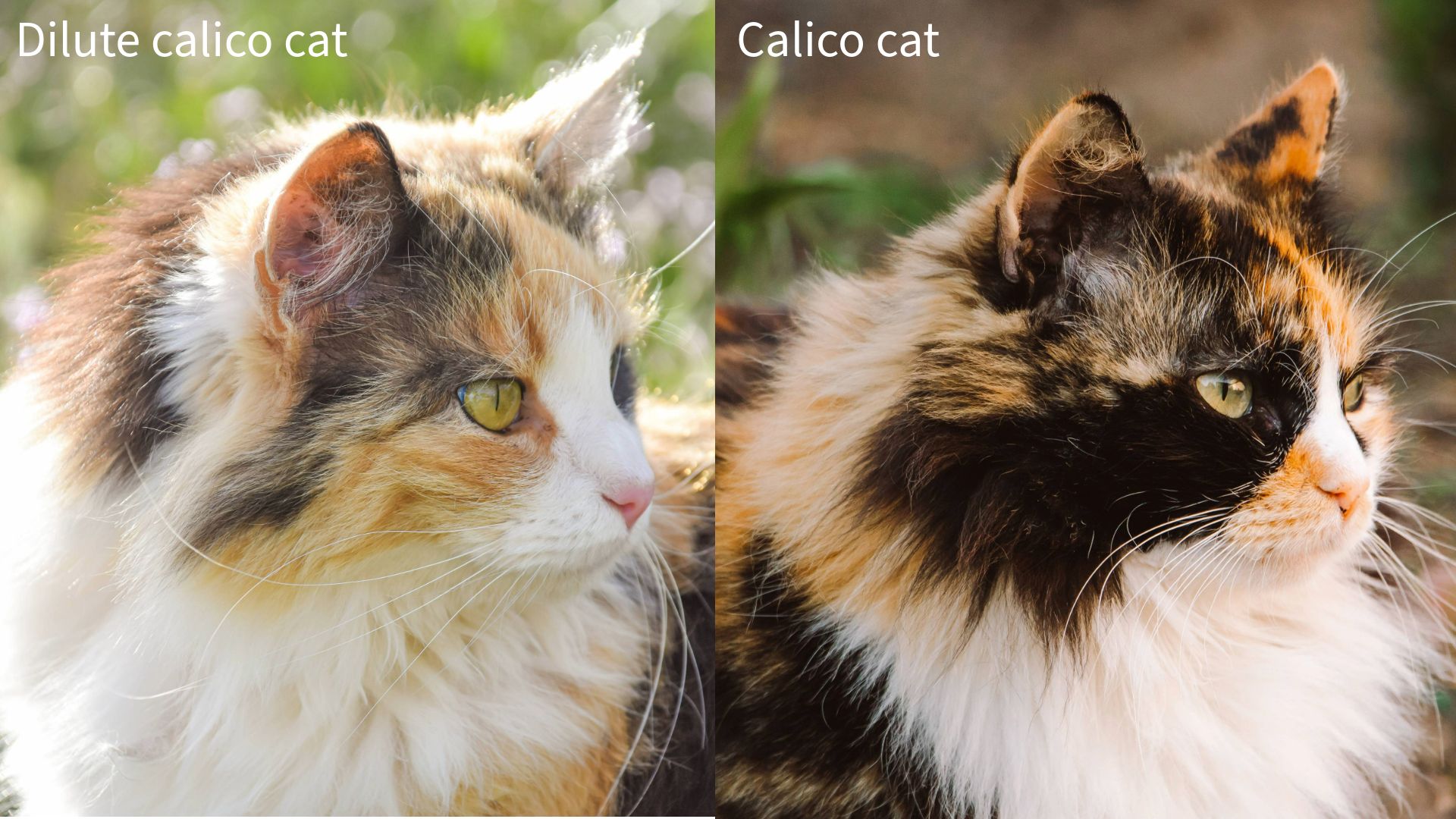
A dilute calico cat usually has white fur combined with softer-looking gray-blue and cream patches. The pattern is related to the familiar black, orange, and white calico, but the darker colors appear muted. 'Dilute calico' describes coat coloring, not a separate breed. Cats with this pattern can be domestic shorthairs, longhairs, or members of breeds that permit the combination of colors and white spotting.
Recognize the colors without relying on a label A typical calico pattern has distinct regions of black and orange plus white. In a dilute version, black appears blue-gray and orange appears cream or buff. The pattern can be bold or softly blended, and the amount of white varies. Some cats have clear patches; others show a more mottled appearance along their sides or face.
Lighting changes how color looks in photos. Indoor warm bulbs can make gray patches appear brownish; shadows can make cream look beige. When identifying a coat, look in neutral daylight and examine several areas rather than deciding from one filtered image. There is no single minimum patch size that makes a pet a dilute calico in casual usage.
Understand what the dilution gene does The dilution trait affects how pigment is distributed within the hair shaft. The UC Davis Veterinary Genetics Laboratory explains that the common dilute trait is autosomal recessive. A cat with two copies of the relevant dilute variant expresses diluted coloring, while a carrier with one copy may show full intensity colors.
That explains why black can appear gray and red-orange can appear cream, but dilution alone does not create the calico arrangement. The calico pattern involves additional color genetics and white spotting. Several genes interact, so a simple picture cannot tell you every genetic detail about an individual cat.
Calico and tortoiseshell are not the same pattern A dilute tortoiseshell typically shows blue-gray and cream mixed across the coat, often without the larger white areas associated with calico. A dilute calico generally has white patches along with muted versions of the black and orange colors. There is overlap in casual descriptions, particularly when white spotting is limited or the color boundaries are irregular.
Neither term is a breed name. A cat's ear shape, coat length, ancestry, and temperament cannot be established from calico coloring alone. Breed identification requires more than a color description, and lineage claims need documentation.
Why the pattern is more common in female cats Orange-versus-nonorange coat color is linked to a gene on the X chromosome. Cats with two X chromosomes can develop areas expressing different color variants, contributing to the patchwork seen in many tortoiseshell and calico coats. Male calicos are uncommon, but they do occur through less common genetic circumstances. A coat photo is not a reliable method for determining chromosome makeup.
The separate dilution trait makes the patches look softer. These mechanisms should not be confused: one contributes to the distribution of orange and dark color, while dilution changes the apparent intensity of pigment. A veterinarian or feline genetics laboratory can clarify individual cases when there is a genuine medical or breeding-related reason to know.
Avoid personality and health myths A dilute calico's coloring does not prove that the animal is unusually affectionate, feisty, rare in a particular household, or healthier than cats with other coats. Personality is shaped by many factors, including individual experience and environment. Likewise, an unusual coat should not be treated as a diagnosis.
If you are adopting a cat with this pattern, evaluate the individual animal's behavior, health records, and compatibility with your household. Ask about grooming needs based on coat length rather than coloring. Use 'dilute calico' as a descriptive color term and appreciate the pattern without turning it into a promise about the cat's character.