How to Choose and Use a Dog Crate Cover
Learn the best materials, sizing tips, and installation steps for dog crate covers so your pet stays comfortable, safe, and calm.
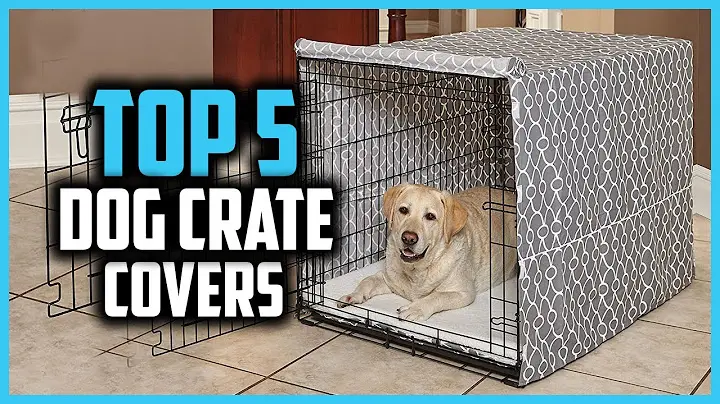
A dog crate cover can transform a routine crate into a cozy, secure space for your pet. By shielding your dog from drafts, bright lights, and outside noise, a cover helps reduce anxiety, promotes better sleep, and keeps the crate clean. Choosing the right cover—considering material, size, and ease of use—ensures your dog stays comfortable, safe, and stylishly housed.
Why cover a dog crate?
Covering a dog crate offers multiple benefits that go beyond simple aesthetics. First, it creates a sense of enclosure that many dogs find comforting, especially those prone to anxiety or separation distress. By blocking out bright lights and external noises, a cover can help regulate a dog’s circadian rhythm, leading to deeper, more restful sleep. Second, a cover protects the crate’s interior from dust, fur, and environmental contaminants, which can reduce the frequency of cleaning and prolong the life of the crate’s material. Third, a well‑designed cover can serve as a visual barrier that prevents the dog from seeing other animals or people, thereby reducing potential triggers for aggression or fear. Finally, a cover can be a practical tool for travel or moving; a lightweight, foldable cover can be packed with the crate, keeping the dog’s environment consistent during transitions. These functional advantages combine to create a safer, calmer, and more hygienic space for your pet.
Best materials for crate covers
When selecting a crate cover, the material is a primary factor that influences comfort, durability, and safety. The most common fabrics include cotton, polyester blends, and fleece. Cotton offers breathability and a natural feel, making it ideal for dogs with sensitive skin or for use in warmer climates. Polyester blends, often combined with a polyester lining, provide moisture resistance and are easier to clean, which is advantageous for households with multiple pets or for dogs that shed heavily. Fleece, a thicker material, offers extra insulation for colder environments and can be particularly soothing for dogs that prefer a “cuddle” feel. Beyond fabric, many covers incorporate a waterproof or water‑repellent layer to protect against spills or accidental wetting. This layer is typically a thin polyurethane coating that does not compromise the fabric’s softness. The choice of material also affects the cover’s weight and portability. Lightweight cotton or polyester covers can be folded into a small pouch, making them convenient for travel. Heavier fleece covers, while more insulating, may be less portable but provide superior warmth during winter months. Additionally, some covers feature a mesh panel or a removable window, allowing for ventilation while still maintaining a sense of enclosure. This feature is especially useful for dogs that tend to overheat or for crates placed in hot rooms. In terms of safety, it is essential that the cover’s fabric does not contain loose threads or small parts that could be ingested. Covers made from high‑density woven fabrics reduce the risk of unraveling. For dogs that chew or pull on their surroundings, a cover with a reinforced seam or a non‑slip backing can prevent accidental tearing. Finally, consider the color and pattern of the cover: darker hues tend to absorb heat, while lighter colors reflect it, which can be a practical consideration depending on the crate’s location.
How to measure and size a crate cover
When selecting a crate cover, the first step is to obtain accurate measurements of the crate’s interior dimensions. Measure the height from the floor to the highest point of the crate’s interior, the width at the widest point, and the depth from the front to the back. These three numbers provide the baseline for a custom fit. Once you have the measurements, add a margin of 2 to 4 inches to each dimension. This allowance ensures the cover can be folded or rolled without compressing the crate’s structure and gives the dog enough room to lie down, stand, or turn around comfortably. For example, a crate that is 24 inches tall, 18 inches wide, and 20 inches deep would require a cover that is roughly 26 to 28 inches tall, 20 to 22 inches wide, and 22 to 24 inches deep. If you are using a pre‑made cover, compare its listed dimensions to your calculated size; most manufacturers provide a size chart that matches common crate dimensions. A cover that is too small will restrict movement and may cause the dog to feel cramped, while a cover that is too large can sag and create a draft or a loose fabric that could become a safety hazard. By following this measurement protocol, you guarantee that the cover fits snugly, maintains the crate’s structural integrity, and provides a secure, comfortable environment for your pet.
Installation and safety tips
Installing a crate cover is straightforward once you have the correct size. Begin by placing the cover over the crate and aligning the corners with the crate’s edges. Most covers feature adjustable straps, Velcro fasteners, or elastic hems that secure the fabric in place. Tighten straps evenly around the crate to prevent gaps that could allow a curious dog to escape or a small animal to slip through. If the cover uses Velcro, ensure the adhesive side is clean and dry to maintain a strong bond. For elastic hems, stretch the fabric gently to fit the crate’s width, then fold the excess over the top edge and secure with a clip or a small rubber band. After securing, test the cover by gently pulling on the fabric; it should hold firmly without tearing or sliding. Safety considerations also include checking for loose threads or frayed edges that could become entangled. Trim any frayed ends with scissors or a fabric snip to reduce choking hazards. Additionally, avoid using covers made from thin, translucent materials in bright sunlight, as the heat can build up inside the crate and create a hot spot. Instead, choose a cover with a reflective or breathable lining that helps regulate temperature. Finally, keep the cover clean by following the manufacturer’s washing instructions; a clean cover prevents the buildup of odors and allergens, ensuring a healthy environment for your dog.
Cleaning and maintenance
When it comes to keeping a dog crate cover in top condition, a consistent cleaning routine is essential for both hygiene and longevity. Start by selecting a cover made from machine‑washable fabrics such as polyester blends or cotton‑polyester mixes; these materials resist stains and can be safely cleaned in a standard washer. If your cover is made from a heavier canvas or a waterproof nylon, you may need to spot‑clean or hand‑wash with mild detergent to avoid damaging the fabric or its waterproof coating. A practical approach is to remove the cover from the crate after each use and tumble‑dry it on a low heat setting. This step helps eliminate moisture that can lead to mildew or odor buildup. For covers that are not machine‑washable, use a damp microfiber cloth and a pet‑safe cleaning spray to wipe down the surface. Pay special attention to seams and corners where dirt can accumulate. To preserve the color and structural integrity of the cover, avoid harsh chemicals such as bleach or abrasive cleaners. Instead, opt for a pet‑friendly enzymatic cleaner that breaks down organic stains without leaving residue. If you notice any tears or frayed edges, repair them promptly with a fabric patch or a small piece of matching material to prevent further damage. Regular maintenance also involves inspecting the cover for wear and tear. Check the zipper or Velcro closures for smooth operation; replace any worn components to maintain a secure fit. Additionally, keep the cover’s fabric free of pet hair by brushing it with a lint roller or a pet‑specific brush before washing. This simple step reduces the load on your washing machine and keeps the cover looking fresh. Finally, store the cover in a dry, well‑ventilated area when it’s not in use. Avoid folding it into tight piles that can cause creases or mold growth. By following these cleaning and maintenance practices, you’ll extend the life of your dog crate cover, keep your pet’s environment healthy, and maintain a tidy, inviting space for both you and your furry companion.
