Dog Crate Furniture and End Tables: Styles, Uses, and Buying Tips
Explore stylish dog crate furniture and end tables, learn how to choose the right size, materials, and designs for your home and pet.
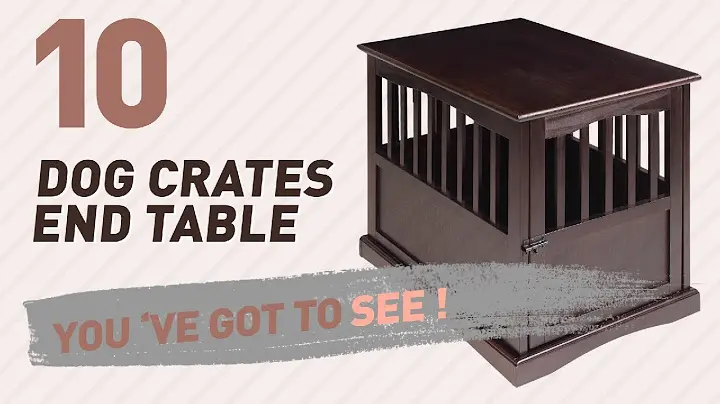
When you’re looking for a dog crate that doubles as a stylish end table, the goal is to blend pet safety with home décor. A well‑chosen piece should fit your dog’s size, match your interior style, and offer sturdy construction. This guide walks you through the key factors—size, material, and design—so you can pick a crate that feels like a natural part of your living space.
Choosing the Right Size
A crate’s dimensions are the first and most critical decision. Measure your dog’s length from tip of nose to base of tail, then add 2–4 inches for headroom and 1–2 inches for a comfortable floor space. For example, a 30‑inch long dog typically needs a crate that is 34–36 inches long and 20–22 inches tall. Oversized crates can feel intimidating and waste space, while undersized ones can cause discomfort or stress. Many manufacturers provide a sizing chart that correlates dog weight or length to recommended crate dimensions, which can help you avoid common pitfalls. Next, consider the crate’s footprint. A rectangular crate with a 16‑by‑20‑inch base fits most living rooms, but a square design may suit a corner or a more modern aesthetic. If you plan to use the crate as a table, ensure the top is flat and sturdy enough to support items like a lamp or a plant. A crate with a removable or hinged lid can also double as a storage unit, adding functional value. Finally, think about the crate’s placement. If it’s in a high‑traffic area, a heavier, non‑slip base will keep it stable. If you’ll move it frequently, a lighter model with wheels or a fold‑away design may be preferable. By matching the crate’s size to your dog’s needs and your home’s layout, you create a harmonious space that serves both pet and owner.
Material & Build Quality
The material of a dog crate determines durability, safety, and aesthetics. Metal crates, often made from steel or aluminum, are the most common choice for their strength and ventilation. Steel crates are heavier and more secure, making them ideal for larger dogs or for use as a travel crate, while aluminum offers a lighter weight and a cleaner finish that blends well with contemporary décor. Wooden crates provide a warm, natural look and can be finished to match existing furniture. However, they may not be as sturdy as metal and can be prone to scratches or dents. Look for crates made from hardwoods like oak or maple, which offer better durability, and ensure the wood is sealed with pet‑safe, non‑toxic finishes. Plastic crates are lightweight and easy to clean, but they can warp under heat and may not provide the same level of security. If you choose plastic, opt for high‑density polyethylene (HDPE) with a reinforced frame. Build quality is also crucial. Check for smooth edges, secure locking mechanisms, and a stable base. A crate with a double‑layered floor or a reinforced frame can prevent sagging and extend the product’s lifespan. Additionally, a crate that includes a removable tray or a washable liner simplifies maintenance and keeps the interior hygienic. When evaluating a crate for dual‑purpose use, consider the top surface’s thickness and load capacity. A 1‑inch thick metal lid or a 2‑inch thick wooden top can support a lamp or a small bookshelf without compromising structural integrity. By selecting a crate with high‑quality materials and robust construction, you ensure safety for your dog and longevity for your furniture.
Design Styles & Home Integration
Choosing a dog crate that doubles as a stylish piece of furniture begins with understanding how the crate will fit into your living space. Modern minimalist designs often feature clean lines, neutral tones, and a low profile that can sit flush against a wall or under a window. These crates are ideal for open-plan homes where the furniture should blend seamlessly with contemporary décor. In contrast, rustic or farmhouse styles incorporate reclaimed wood, distressed finishes, and exposed hardware, offering a warm, inviting look that pairs well with natural or country interiors. For those who prefer a bold statement, industrial crates with metal frames and matte black or brushed steel accents can add an edgy touch to lofts or loft‑style apartments. Each style not only reflects personal taste but also influences how the crate interacts with surrounding furniture—whether it serves as a sideboard, a coffee table, or a decorative accent. Size and proportion are critical when integrating a crate into a room. Measure the available space and compare it to the crate’s dimensions. A crate that is too large can dominate a small room, while a small crate may feel out of place in a spacious area. Many manufacturers offer modular or adjustable crates that can be stacked or reconfigured to suit different room sizes. Additionally, consider the crate’s height relative to other furniture; a crate that is too tall may clash with low-profile sofas, whereas a lower crate can act as a subtle base for a lamp or decorative objects. Material choice affects both durability and aesthetic appeal. Hardwoods such as oak, maple, or walnut provide a sturdy, long‑lasting structure and can be finished to match existing wood furnishings. Metal crates offer a sleek, contemporary look and are often lighter, making them easier to move. Plastic or composite materials are typically more affordable and easier to clean, but they may lack the visual weight of wood or metal. When selecting a material, balance the need for durability with the desired visual impact and maintenance requirements.
Dual‑Purpose Crate‑End Tables
Dual‑purpose crate‑end tables combine the functionality of a pet crate with the convenience of a small table, creating a versatile addition to any living area. These pieces are designed to accommodate a dog’s sleeping or storage needs while also providing a surface for drinks, books, or decorative items. The most common configurations feature a shallow, open top that allows easy access for the pet, with a lower shelf or a removable tray that can serve as a tabletop. When evaluating a dual‑purpose crate‑end table, pay close attention to the depth and height of the crate’s interior. A depth of 18 to 24 inches is generally sufficient for most medium‑sized dogs, while a height of 12 to 18 inches ensures the crate is comfortable for the animal and accessible for owners. The table surface should be at a comfortable height—typically 24 to 30 inches—so that it can be used by both adults and children. Many models incorporate a hinged or removable top, allowing the crate to be opened for cleaning or to transform the table into a more open storage space. Construction quality is paramount for safety and longevity. Look for crates with reinforced corners, secure locking mechanisms, and smooth, rounded edges to prevent injury. The table surface should be sturdy enough to support everyday items without wobbling; a solid wood or metal frame is preferable to a flimsy plastic base. Additionally, consider the crate’s ventilation—adequate airflow is essential for the pet’s health, especially when the crate is used as a permanent fixture. Practical features such as built‑in shelving, hooks, or a small drawer can enhance the table’s utility. For example, a crate with a recessed shelf can hold a dog’s toys or a small water bowl, while a drawer can store grooming supplies. Some designs also include a removable tray that can be used as a serving platter or a small kitchen island. By selecting a crate‑end table that incorporates these thoughtful details, owners can enjoy a cohesive, functional piece that serves both pet and household needs.
Installation & Maintenance
Dog crate furniture and end tables are designed to blend seamlessly into living spaces while providing a safe, comfortable environment for pets. Proper installation and ongoing maintenance are essential to ensure longevity, safety, and aesthetic harmony. The first step is to select a location that balances visibility for the pet with privacy for the owner. A common practice is to place the unit near a window or a corner that receives natural light, allowing the dog to observe household activity without feeling exposed. Once the spot is chosen, measure the floor area to confirm that the crate’s footprint fits without crowding adjacent furniture. Most commercial units come with a flat base or legs; if the crate has a wooden or metal frame, secure it to the floor with screws or brackets to prevent tipping, especially for larger breeds. For units that double as end tables, ensure the height matches the surrounding furniture to maintain a cohesive look. When assembling, follow the manufacturer’s instructions closely—use the supplied hardware and avoid over-tightening, which can warp the frame. After assembly, inspect the crate for any sharp edges or loose joints; sand or cover them with protective tape to prevent injury. Maintenance involves regular cleaning of the interior with mild soap and warm water, drying thoroughly to avoid mold, and wiping down the exterior with a damp cloth. For wooden surfaces, occasional oiling or polishing preserves the finish and extends the life of the wood. If the crate includes a removable mattress or pad, wash it in a washing machine on a gentle cycle and air-dry. Finally, perform a quarterly safety check: tighten any loose screws, replace worn bedding, and verify that the crate’s locking mechanism operates smoothly. By following these steps, owners can enjoy a stylish, functional piece that serves both as a pet enclosure and a decorative end table for years to come.
