Best Dog Food Storage Containers: A Complete Buying Guide
Learn how to pick the perfect dog food storage container for freshness, safety, and convenience. Compare airtight, large, and budget-friendly options.
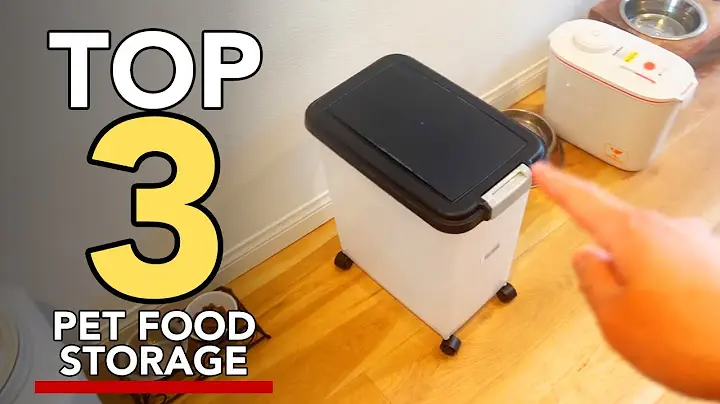
Choosing the right container for your dog’s food is more than a matter of convenience; it’s a key factor in maintaining nutrition, preventing spoilage, and ensuring your pet’s safety. A well‑designed storage solution keeps kibble fresh, protects against pests, and helps you manage portions and inventory. This guide walks you through the essential factors to evaluate—size, material, seal quality, and ease of use—so you can select a container that fits your household’s needs and keeps your dog’s meals at peak quality.
Factors to Consider
When evaluating dog food storage containers, start with the volume you need. A typical household may consume anywhere from 10 to 30 pounds of kibble per month, depending on the dog’s size and diet. Containers come in sizes ranging from 5‑pound resealable bags to 50‑pound bulk bins. Choosing a size that matches your consumption pattern reduces waste and the frequency of refills. Material matters for both durability and safety. Food‑grade polypropylene and high‑density polyethylene are common; they are lightweight, resistant to cracking, and free of harmful additives. Avoid containers made from low‑grade plastics that can leach chemicals, especially if the container will be stored near heat sources. Seal integrity is critical for preserving freshness. Look for containers with a robust sealing mechanism—such as a twist‑lock lid, a screw‑on cap with a gasket, or a vacuum‑sealed bag system. A tight seal prevents air and moisture from entering, which slows oxidation and mold growth. Ease of access and cleaning also influence your choice. Containers with a shallow depth and wide opening allow you to scoop out portions quickly, while a smooth interior surface makes rinsing simple. Some models feature a built‑in scoop or a removable tray for portioning. Finally, consider the storage environment. If you plan to keep the container in a pantry, a stackable design can save space. For outdoor or travel use, a lightweight, collapsible container may be preferable.
Airtight vs. Non‑Airtight
Airtight containers are engineered to create a hermetic seal that blocks oxygen, moisture, and pests. The most common airtight designs include screw‑on lids with rubber gaskets, vacuum‑sealed bags, and snap‑lock containers with integrated sealing strips. These features help maintain kibble’s crispness and extend shelf life by up to 50% compared to non‑airtight options. Non‑airtight containers—such as simple plastic tubs or paper bags—offer lower cost and lighter weight but lack the barrier properties of airtight systems. They are more susceptible to humidity, which can cause clumping and attract insects. For households that store food for short periods or in dry climates, a non‑airtight container may suffice. When deciding between the two, weigh the trade‑offs. Airtight containers typically cost 20–30% more but provide longer freshness and reduced waste. If you have a high‑volume feeder or live in a humid area, the extra investment is justified. Conversely, if you only feed a small dog once a week and store food in a cool, dry pantry, a non‑airtight container can be a practical, budget‑friendly choice. Regardless of the type, always inspect the seal before each use. A compromised seal can negate the benefits of an airtight design, leading to rapid spoilage.
Material Choices
Choosing the right material for a dog food storage container is essential for maintaining freshness, preventing contamination, and ensuring durability. The most common materials are plastic, glass, and metal, each with distinct advantages and trade‑offs. Plastic containers, especially those made from high‑density polyethylene (HDPE) or polypropylene (PP), are lightweight, inexpensive, and resistant to impact. They are also available in a wide range of sizes and shapes, making them a popular choice for households with multiple dog food brands. However, plastic can absorb odors and may degrade over time if exposed to high temperatures or sunlight, potentially affecting the taste of the food. Glass containers offer superior odor containment and are non‑porous, which reduces the risk of bacterial growth. They are also recyclable and free from chemicals that could leach into the food. The downside is that glass is heavier and more fragile; a dropped container can break, creating a safety hazard and waste. Metal containers, typically made from stainless steel, provide excellent protection against pests and moisture. They are virtually indestructible and can be sealed tightly with a screw‑on lid. The main drawbacks are cost and the potential for metal to impart a metallic taste if the container is not food‑grade or if it corrodes over time. Stainless steel is generally safe, but lower‑quality metal may contain harmful alloys. When selecting a material, consider the frequency of refills, the storage environment (e.g., a garage versus a pantry), and the need for portability. For most pet owners, a high‑quality HDPE or PP container with a secure lid strikes the best balance between cost, durability, and food safety. If odor control is paramount, a glass or stainless steel option may be worth the extra investment.
Size Guide
The size of a dog food storage container should match the owner’s feeding routine and the quantity of food typically purchased. A good rule of thumb is to store at least one to two weeks’ worth of food for each dog, which helps maintain freshness and reduces the need for frequent trips to the store. Small containers, ranging from 1 to 5 pounds, are suitable for single‑dog households or for storing specialty foods such as grain‑free or prescription diets. These containers are easy to handle and can be placed in a pantry or refrigerator. Medium containers, typically 10 to 20 pounds, accommodate most commercial kibble brands and are ideal for families with one or two dogs. They fit comfortably on kitchen shelves and can be labeled for easy identification. Large containers, from 25 to 50 pounds, are designed for bulk purchases and are common in pet supply stores. They offer the most cost savings per pound but require a dedicated space, such as a garage or a dedicated storage cabinet. When using a large container, it is important to ensure the lid seals tightly to prevent moisture and pests from entering. Consider the shape of the container as well. Cylindrical or rectangular designs can be stacked or placed side‑by‑side, maximizing storage efficiency. A container with a removable bottom or a built‑in divider can help separate different food types or brands, reducing cross‑contamination. Finally, always check the container’s weight rating and ensure it can support the full load of food without warping or breaking.
Top Picks
When selecting a dog food storage container, the primary goal is to preserve freshness while protecting the kibble from pests and moisture. The most reliable way to achieve this is by choosing a container that combines an airtight seal with a sturdy, food‑grade material. Stainless steel or BPA‑free polypropylene are the two most common options; stainless steel offers superior durability and temperature resistance, while polypropylene is lighter and more affordable. In practice, a 1‑quart or 2‑quart size is ideal for most households, allowing you to store a single portion or a small batch without excessive bulk. A good example is a 2‑quart container with a silicone gasket that locks into place, creating a vacuum‑like seal that keeps air out and odors contained. This design also makes the container easy to stack, saving cabinet space. Another critical factor is the container’s lid design. A flip‑top lid with a built‑in seal is convenient for quick access, whereas a screw‑on lid with a rubber gasket offers a tighter seal for long‑term storage. For households that feed multiple dogs or have a large supply, a larger 5‑quart or 10‑quart container may be warranted, but the lid must still provide a reliable seal. Some manufacturers incorporate a secondary inner bag or pouch that can be removed for cleaning, which reduces the risk of bacterial buildup. Ease of cleaning is also essential. Containers with a dishwasher‑safe interior and a shallow, wide opening allow for thorough rinsing. Avoid containers with complex internal structures or hard‑to‑reach corners, as these can harbor crumbs that attract pests. Finally, consider the container’s weight and portability; a lightweight design makes it easier to move between rooms or to a cooler for outdoor walks. By evaluating these factors—material, seal quality, lid design, size, and cleaning convenience—you can confidently choose a dog food storage container that keeps your pet’s meals fresh, safe, and ready to serve.
