Choose the Perfect Outdoor Dog Gate for Your Yard
Compare top outdoor dog gates, learn about materials, weatherproofing, installation methods, and size guides to find the ideal gate for your pet and landscape.
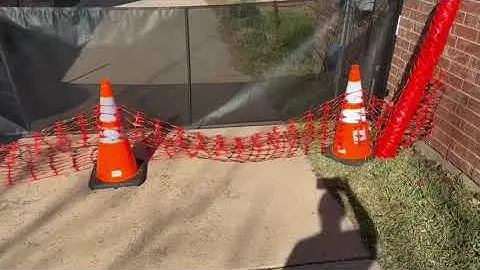
When you’re looking to keep your dog safe and your yard tidy, choosing the right outdoor dog gate is essential. This guide breaks down the main types of gates, the materials that stand up to the elements, and practical tips for sizing and installation so you can make an informed purchase that fits both your pet’s needs and your landscape.
Types of Outdoor Gates
Outdoor dog gates come in three primary styles, each suited to different yard layouts and dog behaviors. The first is the **frame gate**—a sturdy frame, often made of metal or heavy‑weight wood, that can be mounted directly to existing fence posts or walls. Frame gates are ideal for large or strong dogs because they offer a solid barrier and can be customized in height and width. The second style is the **picket or slatted gate**, which uses vertical slats or pickets spaced to keep a dog from squeezing through. These gates are visually appealing and blend well with traditional fencing, but they require careful spacing to prevent small dogs from slipping. The third option is the **flexible or mesh gate**, typically made of woven steel or nylon. Flexible gates are lightweight, easy to install, and can be anchored to posts or walls with minimal hardware. They are best for smaller dogs or for temporary setups, as they offer less resistance to a determined animal. Each type has its own installation requirements and durability profile, so matching the gate style to your yard’s structure and your dog’s size and temperament is the first step in a successful purchase.
Weatherproof Materials
The longevity of an outdoor dog gate largely depends on the material it’s made from. **Aluminum** is a popular choice because it resists rust, requires little maintenance, and can be painted to match existing fencing. It’s lightweight yet strong enough to withstand moderate weather conditions. **Galvanized steel** offers greater structural strength and is highly resistant to corrosion, making it suitable for areas with high humidity or salt exposure. However, steel can become hot in direct sunlight, so consider a shaded installation or a heat‑reflective coating if you live in a hot climate. **Wooden gates**—especially those treated with marine‑grade sealants—provide a natural aesthetic and can be customized in color and design. They do, however, need regular sealing or staining to prevent rot, especially in damp or rainy environments. **Composite materials**, such as recycled plastic blended with wood fibers, combine the low maintenance of plastic with the visual appeal of wood. These composites are resistant to warping, cracking, and mold, and they often come with a warranty that covers weather‑related damage. When selecting a material, also consider the gate’s finish: a powder‑coated or anodized finish can add an extra layer of protection against UV rays and moisture. By choosing a material that matches your local climate and maintenance preferences, you’ll ensure the gate remains functional and attractive for years.
Installation Methods
Choosing the right installation method for an outdoor dog gate depends on both the structure of your property and the level of security you require. The most common approaches include frame‑based, post‑mounted, and wall‑mounted systems. Frame‑based gates are built on a sturdy wooden or metal frame that sits on the ground and can be anchored with stakes or concrete footings. They are ideal for uneven terrain because the frame can be adjusted to accommodate slopes or irregularities. Post‑mounted gates, on the other hand, rely on existing fence posts or new posts driven into the ground. This method is often preferred when you already have a fence line, as it allows the gate to blend seamlessly with the surrounding fencing. Wall‑mounted gates attach directly to a house or shed wall using brackets and screws; they are a good choice for small yards or when space is limited. Each method has its own installation steps. For frame‑based gates, you first level the ground, set the frame, and then secure it with stakes or concrete. Post‑mounted gates require measuring the distance between posts, cutting the gate to fit, and then bolting it into place. Wall‑mounted gates involve drilling holes, inserting anchors, and attaching the gate with screws or bolts. In all cases, it is essential to use weather‑resistant hardware and to check local building codes for any required permits or setbacks. Proper installation not only ensures the gate’s longevity but also provides the safety and containment your dog needs.
Size & Height Guide
Determining the correct size and height for an outdoor dog gate is crucial for keeping pets safely contained while allowing easy access for owners. The first step is to measure the width of the opening where the gate will be installed. Measure from the inside of one fence post to the inside of the opposite post, and add an extra 1 to 2 inches to account for the gate’s frame or hinges. For most medium to large dogs, a gate width of 24 to 30 inches provides sufficient space for comfortable passage. Height is equally important; a standard outdoor gate should be at least 36 inches tall for small dogs, 48 inches for medium dogs, and 60 inches or more for large breeds. This ensures that taller dogs cannot jump over or squeeze through the top. When selecting a gate, consider the dog’s behavior and any potential escape tactics. If your dog is a strong jumper, a higher gate or one with a reinforced top is advisable. Additionally, the gate’s overall dimensions should fit within the available space without interfering with existing landscaping or structures. By carefully measuring and selecting a gate that matches your dog’s size and your yard’s layout, you can create a secure, functional boundary that meets both safety and aesthetic needs.
Top Product Reviews
When selecting an outdoor dog gate, the first factor to consider is the material that will best withstand the elements while providing a secure barrier for your pet. Metal gates, especially those made from powder‑coated steel or aluminum, offer durability and a sleek look that blends well with most landscapes. They resist rust and can be painted to match your home’s exterior. Wood gates, on the other hand, provide a natural aesthetic but require regular sealing or staining to prevent rot and warping. Composite gates combine the benefits of wood and plastic, delivering a low‑maintenance option that resists splintering and weather damage. Each material has a distinct price point; metal tends to be the most expensive, while composite and treated wood fall in the mid‑range. The next consideration is the gate’s size and design. A standard single‑post gate is ideal for smaller yards or tight spaces, whereas a double‑post or multi‑post design offers a larger opening for dogs that need more room to move. Some models feature a sliding or folding mechanism, which can be advantageous if you need to open the gate frequently for maintenance or to allow other pets through. Finally, installation complexity varies. Pre‑assembled kits with clear instructions are available for DIY homeowners, while some premium models require professional installation to ensure proper anchoring and alignment. By evaluating these factors—material, size, and installation—you can narrow down the best outdoor dog gate for your specific needs and budget.
