Outdoor Dog Kennels Market Overview
Explore the outdoor dog kennel market, including top brands, price ranges, and features to help you decide.
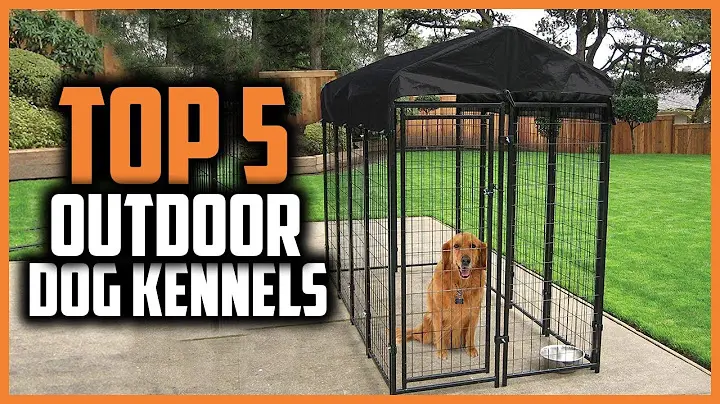
Outdoor dog kennels are a growing segment of the pet housing market, driven by increasing demand for safe, weather‑proof, and comfortable spaces for dogs. Whether you’re a homeowner looking to provide a secure retreat for your pet or a business owner considering a kennel service, understanding the key brands, features, and price points can help you make an informed decision. This overview examines the top brands and price ranges that define the current outdoor kennel landscape.
Top Brands Overview
The outdoor dog kennel market is dominated by a handful of brands that consistently deliver quality, durability, and design innovation. One of the most recognized names is Petmate, whose “Petmate 4‑Season” series offers reinforced steel frames, insulated panels, and weather‑sealed doors that protect dogs from wind, rain, and extreme temperatures. Petmate’s models range from the budget‑friendly “Petmate 4‑Season 4‑Door” to the premium “Petmate 4‑Season 6‑Door,” each featuring a removable floor for easy cleaning. Another leading brand is K&H Pet Products, known for its “K&H 4‑Season Dog House.” This kennel combines a steel frame with a heavy‑duty vinyl exterior and a built‑in insulation layer, making it suitable for both hot and cold climates. K&H also offers a “K&H 4‑Season Dog House with Roof Vent,” which adds airflow while maintaining weather resistance. For owners prioritizing aesthetics and customization, the “Bark & Co. Outdoor Kennel” line offers modular panels that can be painted or covered with decorative vinyl. These kennels feature a steel frame, insulated walls, and a removable roof, allowing owners to tailor the appearance to match their home’s exterior. The “Outback Dog House” from Outback Pets is another notable option. It is built with a welded steel frame and a weather‑proof canvas covering, providing a lightweight yet sturdy structure. The canvas can be replaced with a more durable material if needed. Lastly, the “Cairn Dog House” from PetSafe offers a unique “Cairn” design that includes a built‑in dog bed, a removable roof, and a weather‑proof exterior. This brand is often chosen by owners who want a turnkey solution that requires minimal assembly. Across these brands, common features include steel framing for structural integrity, insulated panels for temperature control, removable floors for hygiene, and weather‑sealed doors and roofs. The choice among them typically hinges on budget, climate suitability, and desired level of customization.
Price Range Comparison
Outdoor dog kennels span a wide price spectrum, reflecting differences in materials, size, and feature sets. Entry‑level models, such as the Petmate 4‑Season 4‑Door, typically start around $150 to $200. These units provide a solid steel frame and basic insulation, making them suitable for moderate climates and smaller breeds. Mid‑tier options, including the K&H 4‑Season Dog House and the Bark & Co. Outdoor Kennel, generally fall between $250 and $400. They offer enhanced insulation, weather‑sealed doors, and sometimes additional features like removable roofs or custom paint options. These models are ideal for owners who need a balance between cost and performance, especially in regions with variable weather. Premium kennels, such as the Outback Dog House with canvas covering or the PetSafe Cairn Dog House, can range from $450 to $700 or more. These units often feature high‑grade insulation, reinforced frames, and additional amenities like built‑in bedding or ventilation systems. They are designed for extreme climates, larger breeds, or owners who desire a more durable, long‑term investment. When comparing prices, it’s important to consider the total cost of ownership. Higher upfront costs may be offset by lower maintenance expenses, longer lifespan, and reduced need for repairs. Conversely, budget models may require more frequent replacements of weather‑proofing materials or insulation. Owners should also factor in installation costs. Some kennels come pre‑assembled, while others require on‑site assembly, which can add to the overall expense. Additionally, accessories such as extra doors, ventilation panels, or custom paint can increase the final price. In summary, the price range for outdoor dog kennels reflects a trade‑off between initial investment and long‑term durability. By evaluating the specific needs of the dog, the local climate, and the owner’s budget, one can select a kennel that offers the best value for its intended use.
Feature Checklist
When selecting an outdoor dog kennel, owners should evaluate a range of features that directly impact safety, comfort, and durability. The first consideration is the material composition. Premium options often use double‑ply aluminum or heavy‑gauge steel for structural integrity, while mid‑tier models may rely on welded steel with a powder‑coated finish to resist corrosion. For the lowest price brackets, polymer or composite frames are common, but they may lack the longevity of metal constructions. Second, ventilation is critical. A well‑designed kennel will incorporate multiple mesh panels or perforated panels that allow airflow while preventing escape. The size of the mesh openings should be small enough to deter small predators yet large enough to avoid heat buildup. Third, the flooring system should provide both drainage and comfort. Many high‑end kennels feature removable, washable rubber mats that prevent moisture accumulation and reduce the risk of skin irritation. In contrast, basic models may use a simple plastic or vinyl floor that is easier to clean but offers less cushioning. Fourth, the kennel’s door mechanism should be secure and user‑friendly. Locking latches, push‑button releases, and double‑barrier designs are common in premium models, whereas budget options may use simple snap‑in locks. Fifth, weather protection is a key factor. Features such as a removable roof, built‑in awning, or a waterproof tarp attachment can extend the kennel’s usability during rain or intense sun. Finally, the overall footprint and portability should align with the owner’s space constraints and mobility needs. Some kennels come with folding legs or a lightweight frame for easy transport, while others are permanently anchored to the yard. By systematically comparing these attributes, owners can prioritize the features that best match their dog’s size, temperament, and the local climate.
Customer Reviews Summary
Customer feedback across major e‑commerce platforms consistently highlights three core themes: durability, ease of assembly, and overall value for money. In the durability category, reviewers of high‑priced aluminum and steel models frequently praise the robust frame and resistance to rust, noting that these kennels can withstand harsh weather and rough handling over several years. Conversely, polymer‑based models often receive mixed reviews; while they are lightweight and inexpensive, users report premature wear of the mesh panels and occasional frame flexing after prolonged use. Regarding assembly, many customers appreciate the clear, step‑by‑step instructions and the inclusion of all necessary hardware in the high‑end kits. A notable portion of the feedback points out that some budget models lack essential components such as corner brackets or proper hinges, leading to extended setup times or the need to purchase additional parts separately. In terms of value, reviewers of mid‑tier options frequently mention that the price point offers a balanced compromise between cost and quality, especially when the kennel includes a removable roof and a washable floor. However, a subset of users who invested in the lowest‑priced options expressed disappointment with the overall build quality, citing issues such as loose screws and flimsy mesh. Across all price ranges, a common recommendation is to verify the weight limit specified by the manufacturer, as several customers reported that their larger dogs exceeded the kennel’s capacity, resulting in structural stress or collapse. Overall, the consensus suggests that while budget kennels can be suitable for short‑term or light‑use scenarios, owners seeking long‑term durability and comprehensive features should consider investing in a higher‑tier aluminum or steel model.
