Comprehensive Guide to Dog Pens
Learn everything about dog pens—from indoor playpens to outdoor enclosures, benefits, sizing, and how to choose the right one for your pet.
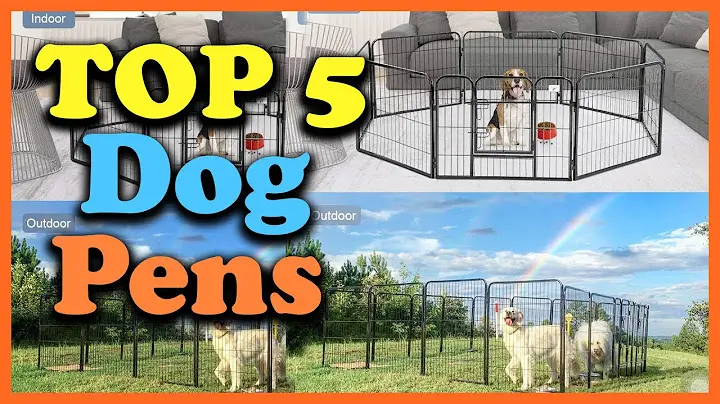
Dog pens are versatile enclosures that give pets a safe, contained space to play, rest, or be supervised. They come in many shapes, sizes, and materials, from lightweight indoor playpens to sturdy outdoor dog houses. Understanding the types, benefits, and key buying factors helps pet owners choose the right pen for their dog’s needs and lifestyle.
What is a Dog Pen?
A dog pen is a defined area that confines a dog while allowing freedom of movement within that space. The enclosure can be temporary or permanent, portable or fixed, and may be made from wire, mesh, plastic, or wood. The primary purpose is to provide a safe environment where the dog can exercise, sleep, or be supervised without the risk of escape or injury. Dog pens are commonly used in homes, kennels, dog parks, and training facilities. They can be set up indoors for puppies or small dogs, or outdoors for larger breeds that need more room. The design of a pen typically includes a door or gate that can be opened or closed, and some models feature removable panels for easy cleaning or access. The enclosure’s height, width, and depth are chosen based on the dog’s size and activity level. Properly sized pens prevent the dog from getting stuck or injured, while also ensuring the dog has enough space to move comfortably. In addition to safety, dog pens can help reduce stress by providing a predictable, familiar space. They also aid in training by allowing owners to isolate the dog for specific exercises or to limit access to certain areas of a home. Overall, a dog pen is a practical tool that balances freedom, safety, and control.
Indoor vs Outdoor Pens
Indoor pens are designed for use inside homes or apartments. They are typically lighter, more portable, and made from materials that are easy to clean, such as plastic or fabric. Indoor pens often have a lower profile to fit under furniture or in tight spaces, and they may include features like removable panels or built‑in bedding. Because they are used indoors, these pens must be sturdy enough to withstand daily use but also quiet to avoid disturbing household members. They are ideal for puppies, small dogs, or pets that need a safe play area while owners are away. Outdoor pens, on the other hand, are built to withstand weather, temperature extremes, and outdoor hazards. They are usually constructed from metal, heavy‑duty plastic, or treated wood, and they have higher walls or roofs to protect against wind, rain, and sun. Outdoor pens can be permanent or semi‑permanent, with options for anchoring to the ground or attaching to existing structures. They often include ventilation, shade, and secure locking mechanisms to prevent escape. Outdoor pens are suitable for larger dogs, dogs that need more exercise, or pets that will spend extended periods outside. They also provide a controlled environment for training or for keeping a dog safe during storms or when the owner is not home. Choosing between indoor and outdoor pens depends on the dog’s size, activity level, the owner’s living situation, and how long the dog will be confined.
Choosing the Right Size
When selecting a dog pen, the first consideration is the dog’s adult size. Measure the dog’s height at the shoulder and length from nose to base of tail. A pen that is too small can cause discomfort and discourage use, while an overly large pen may be difficult to manage and may not contain the dog effectively. For small breeds, a 4‑by‑4‑foot enclosure is often sufficient, whereas medium‑sized dogs may require a 6‑by‑6‑foot space. Large breeds and active dogs benefit from pens that are at least 8‑by‑8 feet to allow natural movement and prevent crowding. In addition to overall dimensions, consider the height of the walls or fencing. A minimum of 3‑to‑4 feet is recommended for most dogs to prevent jumping; taller walls may be necessary for breeds prone to leaping, such as terriers or Jack Russell terriers. The floor surface is also important. A smooth, non‑slippery surface reduces injury risk, while a raised platform can provide a dry, comfortable area for dogs that dislike getting muddy. When the pen is intended for outdoor use, incorporate a shade structure or a pergola to protect the dog from direct sun. For indoor pens, ensure the enclosure does not obstruct natural light or airflow. Finally, think about the pen’s mobility. A lightweight, foldable design is ideal for renters or for those who need to relocate the pen frequently, whereas a heavier, more permanent structure may be suitable for a permanent backyard enclosure. By matching the pen’s dimensions and features to the dog’s size, activity level, and environment, owners can create a safe, comfortable space that encourages positive use.
Safety Tips
Safety in a dog pen begins with secure construction. All panels or fencing should be tightly fastened to prevent gaps that a curious dog could squeeze through. Use hardware rated for outdoor use if the pen will be exposed to weather, and replace any rusted or corroded components promptly. The material of the enclosure—whether steel, aluminum, or heavy‑duty plastic—should be smooth to avoid cuts or abrasions. Avoid sharp corners or protruding nails, and consider adding rounded edges to panels that are in direct contact with the dog’s body. When installing a door or gate, ensure it locks securely and that the latch is positioned out of reach of the dog’s paws to prevent accidental opening. A double‑locking mechanism is advisable for larger dogs that may try to pry open a single latch. The pen’s location should be evaluated for environmental hazards. Place it away from sharp objects, toxic plants, or areas with extreme temperatures. If the pen is outdoors, provide a shaded area or a canopy to protect the dog from heatstroke during hot weather. In colder climates, consider a windbreak or a small shelter to keep the dog warm. Regular maintenance is essential for safety. Inspect the enclosure weekly for signs of wear, such as frayed ropes, loose screws, or warped panels. Replace any damaged parts immediately. Clean the floor regularly to prevent the buildup of bacteria or parasites, especially if the dog spends extended periods inside. Finally, supervise the dog when it first uses a new pen to ensure it does not attempt to chew on or climb over the structure. By combining secure construction, thoughtful placement, and ongoing maintenance, owners can create a dog pen that is both safe and inviting.
Maintenance
Dog pens, whether used indoors or outdoors, demand regular upkeep to ensure a safe, hygienic, and comfortable environment for your pet. The first step in maintenance is daily cleaning: remove food scraps, waste, and any debris that accumulates in the pen’s floor or corners. Using a pet-safe disinfectant or a mild soap solution, wipe down all surfaces, paying special attention to seams and corners where bacteria can thrive. After cleaning, rinse thoroughly to eliminate any residue that could irritate your dog’s skin or nose. Weekly, perform a deeper inspection of the pen’s structure. Check for loose or damaged panels, rusted hinges, and any signs of wear on the mesh or plastic. Tighten screws, replace frayed sections, and treat metal parts with a rust inhibitor to prolong the pen’s lifespan. For outdoor pens, inspect the foundation or base for erosion or shifting ground that could compromise stability. If the pen sits on a concrete slab, ensure the sealant remains intact to prevent water seepage. Seasonal maintenance is crucial. In winter, clear snow and ice from the pen’s floor and walls to prevent slips and keep the area dry. In summer, apply a UV-resistant coating to plastic components to prevent cracking from sun exposure. For pens with wooden parts, a coat of pet-safe sealant will protect against moisture and deter mold. Finally, monitor your dog’s interaction with the pen. Look for signs of chewing or scratching at the structure, which may indicate a need for additional reinforcement or a different material. By establishing a routine that includes daily cleaning, weekly inspections, and seasonal adjustments, you can keep your dog’s pen safe, durable, and inviting for years to come.
