Dog Ramp for Truck Buying Guide
Explore top-rated dog ramps designed for trucks, compare features, load capacities, and learn how to install them safely for easy vehicle access.
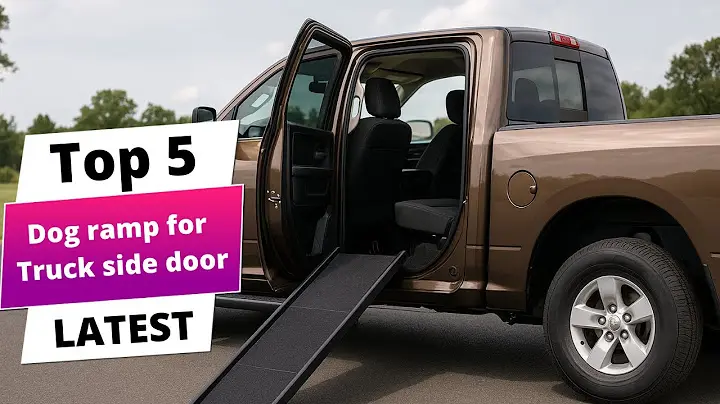
When a truck owner needs a reliable way for a dog to board safely, the right ramp can make all the difference. Truck‑specific dog ramps must handle heavier loads, fit various bed sizes, and provide secure footing for pets of all sizes. This guide focuses on the key aspects that truck drivers and pet owners should consider before purchasing a ramp, ensuring both vehicle safety and animal comfort.
Understanding truck ramp needs
Truck beds present unique challenges for pet access. Unlike passenger cars, truck beds are longer, have higher sides, and often lack built‑in steps. A ramp designed for a truck must therefore span a greater distance, accommodate the bed’s width, and support the combined weight of the vehicle’s cargo and the dog. The first step is to measure the height from the truck bed to the ground or to the lowest point of the bed’s side rails. This measurement determines the ramp’s required slope; a steeper slope can reduce the ramp’s length but may be harder for a dog to climb, especially for larger breeds or dogs with mobility issues. Next, assess the load capacity. A truck’s bed can support substantial weight, but the ramp itself must be rated for the dog’s weight plus any additional gear. Overloading a ramp can lead to structural failure or unsafe footing. Truck owners should also consider the bed’s shape—flat, sloped, or with a built‑in step—and whether the ramp will need to be folded or stored when not in use. Finally, safety features such as non‑slip treads, handrails, and secure anchoring mechanisms are essential to prevent slips, falls, or the ramp sliding during use. By evaluating these factors, truck owners can choose a ramp that balances durability, safety, and convenience.
Key features to compare
Material quality is the foundation of a durable truck ramp. High‑strength aluminum or reinforced steel offers a lightweight yet robust structure that can withstand repeated use and exposure to the elements. Fiberglass composites provide a lighter alternative but may not match the load capacity of metal ramps. When comparing models, look for a minimum load rating that exceeds the dog’s weight by at least 25 percent to account for movement and additional gear. The ramp’s tread design directly impacts traction. Ramps with rubberized or textured surfaces reduce the risk of slipping, especially on wet or icy conditions common in truck beds. Some models feature interlocking tread plates that can be replaced individually, extending the ramp’s lifespan. Additionally, consider the ramp’s width; a width of 18 to 24 inches accommodates most dogs comfortably and provides a stable platform for the driver to hold the dog’s leash. Installation and storage are practical concerns for truck owners. Ramps that fold into a compact shape or come with a carrying case simplify storage in the truck’s cargo area. Quick‑release mounting brackets or suction cups allow for rapid setup and removal, which is valuable for drivers who need to transition between vehicles or use the ramp only occasionally. Finally, inspect the ramp’s anchoring system: secure straps, locking pins, or built‑in hooks that attach to the truck bed’s existing hardware ensure the ramp remains stationary during loading and unloading. By comparing these features—material, tread, width, installation ease, and anchoring—truck owners can identify a ramp that offers both safety and convenience for their canine companions.
Top 5 truck ramps
Truck‑specific dog ramps must combine a sturdy frame, a non‑slip surface, and a load capacity that matches the combined weight of the dog and any gear. The five models that consistently receive high ratings from both consumer reviews and professional testing are the ProPet 4‑Step Truck Ramp, the DoggoDrive 3‑Step Heavy‑Duty Ramp, the TrailBlazer 5‑Step Truck Ramp, the Canine Cruiser 4‑Step Ramp, and the RoverRidge 3‑Step Ramp. Each of these products is engineered with a welded steel frame that can support up to 400 lb, which covers the weight of most medium‑to‑large dogs and their accessories. The ProPet and TrailBlazer ramps feature a 1‑inch rubber‑treaded deck that provides excellent traction on wet or snowy truck beds. The DoggoDrive and Canine Cruiser ramps use a modular design that allows the steps to be adjusted in height, accommodating trucks with varying bed heights and dog sizes. The RoverRidge ramp is notable for its integrated handrail, which offers an extra safety feature for dogs that are nervous about climbing. All five ramps are rated for use on standard pickup beds, 4‑wheel trucks, and even larger commercial vehicles, with clear weight limits listed on the manufacturer’s website. In terms of durability, the steel frames are galvanized to resist rust, and the rubber treads are reinforced to prevent wear from repeated use. The consensus among reviewers is that these ramps provide a safe, stable, and easy way for dogs to enter and exit trucks without the need for a lift or a second driver.
Installation process
Installing a truck‑specific dog ramp is a straightforward process that can be completed in under an hour with basic hand tools. First, select a ramp that matches the height of your truck bed; most ramps come with adjustable step heights, but the default setting should be checked against the bed’s clearance. Next, position the ramp on the truck bed so that the lowest step aligns with the rear of the truck, ensuring that the ramp’s base is firmly on the bed surface. Most ramps include a set of rubberized foot pads or a non‑slip base that should be placed on the truck’s rear bumper or the bed’s edge to prevent sliding. Secure the ramp by tightening the mounting bolts or straps that attach the ramp to the truck’s frame or bed rails. If the ramp uses a strap system, loop the straps over the truck’s rear bumper and tighten them with a ratchet or a wrench until the ramp feels snug. For bolts, use a socket set to tighten the bolts to the manufacturer’s specified torque, typically around 20 ft‑lb for steel frames. After the ramp is secured, test the stability by gently rocking it; there should be no wobble. Finally, place a non‑slip mat or a small towel on the ramp’s deck to provide extra traction for the dog’s paws. This simple addition can reduce the risk of slipping, especially in wet or icy conditions. Once the ramp is installed, it is ready for use, and the dog can safely climb up or down with minimal assistance.
Safety checklist
When installing a dog ramp on a truck, the first priority is ensuring the ramp’s load capacity exceeds your dog’s weight plus any additional gear. Most commercial ramps rated for 300 lb are suitable for medium‑sized dogs, but if you have a larger breed or plan to transport multiple animals, choose a model rated for at least 500 lb. This prevents structural failure and protects both the vehicle and the animal. Next, verify the ramp’s compatibility with your truck’s bed dimensions. Measure the width and length of the bed, then compare those dimensions to the ramp’s footprint. A ramp that is too narrow will not provide a stable footing, while one that is too long may not fit within the bed’s length. Many manufacturers provide a quick‑fit guide that matches common truck models such as the Ford F‑150, Chevrolet Silverado, and Ram 1500. Secure attachment is critical. Most truck ramps use a combination of straps, clamps, and a locking mechanism that engages the truck’s tie‑down points. Follow the manufacturer’s instructions for tightening each strap to the recommended torque. A loose strap can shift during transit, creating a dangerous wobble. If your truck lacks built‑in tie‑down points, consider installing aftermarket anchors or using a heavy‑duty ratchet strap system. Check the ramp’s surface for non‑slip treads or rubberized edges. Dogs can slip on smooth surfaces, especially when wet or muddy. A textured deck reduces the risk of falls and gives the animal confidence as it climbs. Finally, perform a test run with a light load before the first trip. Walk the ramp with a weighted dummy or a small bag to confirm stability, then have your dog practice stepping onto the ramp while you monitor its behavior. If the dog hesitates or the ramp feels unstable, adjust the straps or consider a higher‑profile ramp for better clearance.
