Why Dogs Scoot — Common Causes and When to See a Vet
Why Dogs Scoot: distinguish anal sacs, irritation, parasites and allergies without DIY. Read the guide.
Why Dogs Scoot — Common Causes and When to See a Vet
Scooting is a sign of irritation, not a diagnosis. Anal-sac discomfort is one possibility, but allergies, stool irritation and parasites may also be involved.
Understanding the behavior
Record how often it occurs and look for licking, redness, changes in stool or a fishy odor. Persistent episodes need an examination rather than repeated at-home expression.
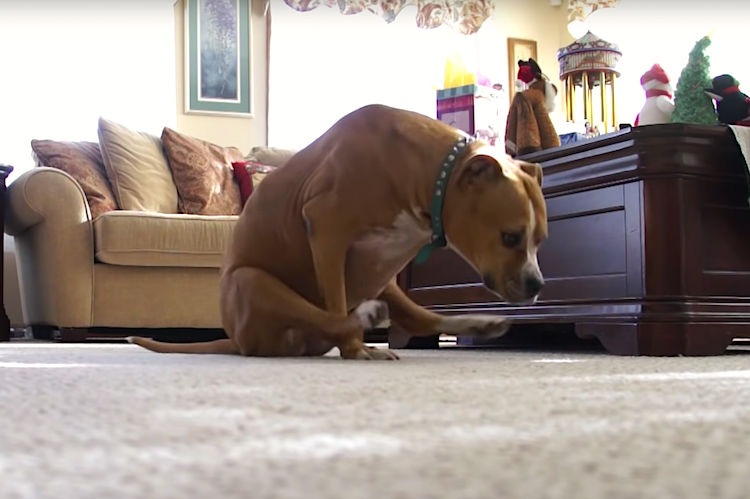
Begin by describing the behavior accurately instead of assigning it a cause. Frequency, duration and accompanying changes in stool, appetite, energy or skin condition offer more useful evidence than a single video clip. Some explanations are minor; others require an examination.
Possible causes
Common causes may involve irritation, parasites, inflammation, allergies or discomfort, but similar outward signs do not always have the same source. Avoid attempting an invasive home procedure based only on the symptom. A veterinarian can check the affected area and decide whether testing is appropriate.
Patterns worth recording
Keep a short diary of when the behavior occurs, whether it follows bowel movements, and which foods, grooming products or medications changed recently. Clear photographs of visible skin changes can help the clinic; do not postpone an appointment simply to gather more images.
Safe initial care
Reduce additional irritation: maintain hygienic bedding, keep the pet from chewing an injured area where possible and avoid strong scented cleaners on sensitive skin. Do not use human creams or leftover antibiotics without advice, as they may mask signs or be harmful if licked.
When to see the veterinarian
Persistent discomfort, swelling, bleeding, foul discharge, straining or lethargy warrant a veterinary evaluation. Severe pain or sudden inability to pass stool is especially concerning. The right treatment depends on an underlying diagnosis, not merely making the visible behavior stop.
Bleeding, swelling, severe pain or trouble passing stool merit prompt veterinary care.
Preventing repeated problems
For prevention, discuss parasite protection, weight management, stool quality and skin care with the clinician. Follow up if the symptom returns after treatment. A repeated problem may need a revised diagnostic plan rather than the same home remedy each time.
Applying the advice in real life
For an appointment, bring a timeline: the first day the behavior appeared, how often it happened, whether there was blood or discharge and any recent dietary or medication changes. A short video can help when the dog is comfortable enough to be recorded. Avoid self-diagnosing from one symptom because the same motion may be caused by several different problems.
After a veterinary visit, follow the recommended treatment and ask when improvement should be expected. If there is no change, report that rather than applying a second over-the-counter remedy. Recurring episodes can be important evidence that the initial cause is not fully resolved.
Frequently asked questions
Does one guide apply to every individual? No. Species, age, genetics, environment and health history change what is appropriate.
What should an owner observe over time? Track appetite, movement, behavior, comfort and the conditions in which the animal lives.
When is professional help appropriate? When signs suggest pain, injury, serious illness or when the correct care requirements are uncertain.
