Pet Doves — Species, Housing and Handling
Pet Doves: species identification, flight space, social care and household safety. Read the guide.
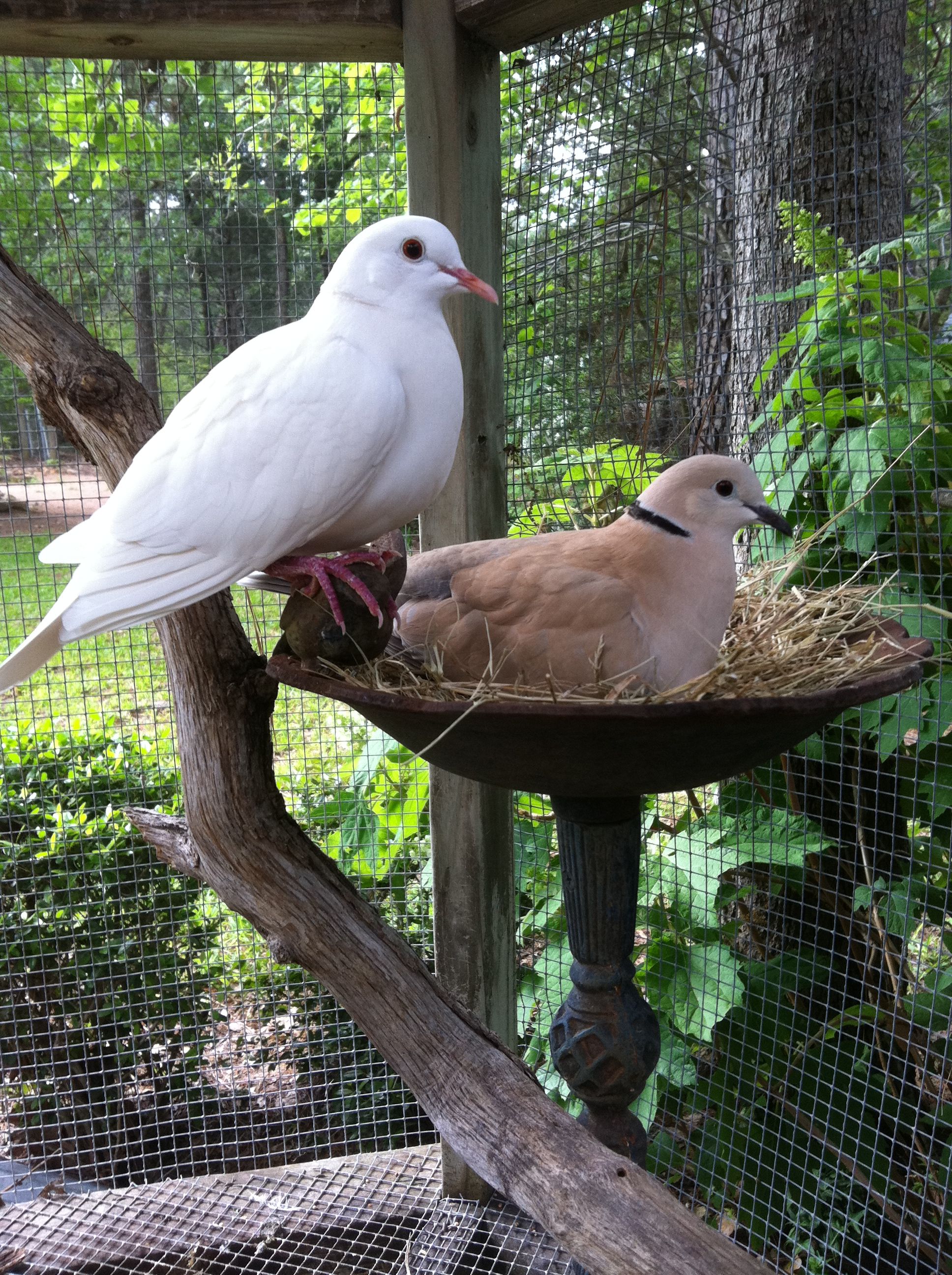
Pet Doves — Species, Housing and Handling
Pet doves and pigeons vary by species and domestic variety, but generally need space to walk, flap and fly.
The species and its needs
Offer safe perches, appropriate grain and formulated nutrition, bathing opportunities and social contact; protect from outdoor predators.
Pet birds vary enormously in size, flock behavior, noise and lifespan. A budgie, finch and macaw should never be treated as one interchangeable category. The best home setup allows movement, foraging, sleep and social choices rather than merely placing the bird in a cage that fits the room.
Housing and air safety
Plan a safe enclosure with suitable bar spacing, a variety of perches, easy-to-clean surfaces and room to stretch or fly as appropriate. Keep birds away from fumes, aerosol sprays, smoke and overheated nonstick cookware. Supervise time outside the enclosure and secure windows and household hazards.
Feeding and enrichment
Nutrition should be species-appropriate and reviewed with an avian veterinarian. Many companion birds benefit from formulated food, safe vegetables and enrichment activities rather than a seed-only diet. Food preferences can be entrenched, so major transitions should be gradual and monitored.
Exercise and social interaction
Birds are social and intelligent but differ in how much human interaction they seek. Respect body language, provide predictable sleep and build trust through calm reward-based routines. Never force handling because a bird is supposed to be friendly; fear can become persistent if early interactions are stressful.
Health warning signs
A bird that becomes quiet, fluffs persistently, changes droppings, sits low, struggles to breathe or stops eating may already be ill. Because birds can hide sickness, seek an avian veterinarian promptly. Home heat treatments or leftover medication are not substitutes for a diagnosis.
A tiny decorative cage is not a substitute for flight or welfare needs.
Long-term welfare
Before adoption, evaluate noise tolerance, travel care, veterinary access, enrichment costs and long-term commitment. The goal is to support natural activity without encouraging uncontrolled breeding or keeping birds simply for their colors. Ethical sourcing and welfare should guide each choice.
Applying the advice in real life
A weekly plan for birds should include supervised activity, food preparation, cleaning, fresh enrichment and uninterrupted sleep. For flock birds, consider whether a single bird would be socially deprived; for large parrots, plan how people will respond to unavoidable vocalization. An attractive cage that prevents normal movement is not a welfare solution.
Bird-safe household rules should be shared with every person in the home, especially around cooking, open doors and scented products. Keep a transport carrier ready for emergencies and establish avian veterinary care before the bird appears ill. Change behavior routines gradually and reward voluntary interaction rather than forcing contact.
Frequently asked questions
Can birds thrive on seed-only diets? Often not. Feeding requirements vary, and many pet birds benefit from balanced formulated food and suitable fresh items.
How important are activity and social needs? Both are central welfare needs, though the right type of interaction depends on species and the individual bird.
When should a bird see an avian veterinarian? Promptly when eating, breathing, activity or droppings change unexpectedly.
Related guides
Macaw Birds: Species, Behavior and Care Commitment
Cockatiel Colors and Mutations: How They Differ
Sun Conure: Appearance, Noise and Daily Care
