Eastern to Central Time Converter: EST/EDT to CST/CDT
Get a clear, accurate explanation with examples and useful comparisons. Eastern to Central Time Converter: EST/EDT to CST/CDT.
Eastern to Central Time Converter: EST/EDT to CST/CDT
Quick Eastern-to-Central conversion
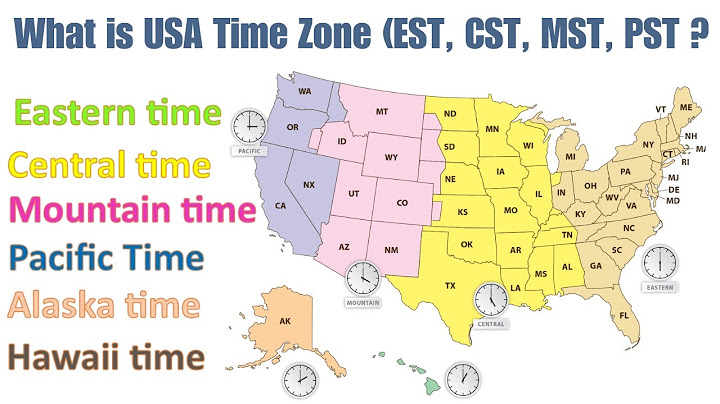
Central Time is normally 1 hour behind Eastern Time when both regions follow their usual US daylight-saving schedule. Subtract 1 hour from the Eastern clock to get Central Time. For example, 3:00 PM ET is 2:00 PM CT.
Popular conversion examples
| Eastern Time | Corresponding Central Time |
| 8:00 AM | 7:00 AM |
| 9:00 AM | 8:00 AM |
| 10:00 AM | 9:00 AM |
| 11:00 AM | 10:00 AM |
| 1:00 PM | 12:00 PM |
| 2:00 PM | 1:00 PM |
| 3:00 PM | 2:00 PM |
| 5:00 PM | 4:00 PM |
| 7:00 PM | 6:00 PM |
| 10:00 PM | 9:00 PM |
EST/EDT versus CST/CDT
ET and CT are regional names that cover both standard and daylight time. The specific labels change with the season: winter uses EST and CST; summer uses EDT and CDT. When both cities move their clocks according to the US rules, the time gap remains the same.
Why some online conversions look off
If a page asks for “EST to PST” as fixed offsets, the result differs from a date-aware regional conversion when one or both clocks are in daylight time. Use named cities and the event date if you are converting a real meeting. A 3 PM ET webinar is not necessarily 3 PM EST in July.
Worked calendar example
On July 15, 2026 at 3:00 PM in New York (EDT), the clock in Chicago reads 2:00 PM (CDT). The corresponding January conversion keeps the 1-hour regional gap, with standard-time abbreviations.
Frequently asked questions
What is 10 AM Central in Eastern?
11:00 AM Eastern when both cities follow ordinary US seasonal schedules.
Is Central always 1 hours behind Eastern?
For the major US cities that observe the same seasonal DST dates, yes: the regional gap is usually 1 hour.
Should I use EST or ET?
Use ET when you mean the current Eastern regional clock; EST is specifically standard time at UTC−05:00.
Why local meeting times matter
A recurring appointment that stays at 9:00 a.m. in New York and 8:00 a.m. in Chicago will normally retain its one-hour regional relationship because both cities observe the same federal DST transition dates. When an attendee is in a different country, that relationship may not hold for everyone. Make the event time zone explicit instead of trusting recipients to infer it from the organizer’s location.
Related time guides
These related guides answer adjacent questions without repeating the focus of this page:
Eastern to Pacific Time Converter: EST/EDT to PST/PDT