Guide to Foldable Dog Crates: Safety, Folding & Buying Tips
Learn how to fold a collapsible dog crate, what safety features to look for, and which models are best for travel and home use.
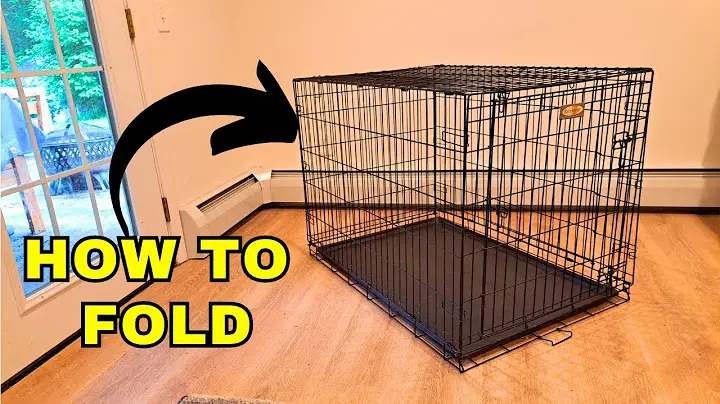
Foldable dog crates combine convenience with safety, making them a popular choice for pet owners who travel, move homes, or need a temporary space for their canine companion. Choosing the right model involves understanding key safety features, learning how to fold and unfold the crate properly, and ensuring the design meets your dog’s size and temperament. This guide covers those essential aspects to help you make an informed decision.
Safety Considerations
When selecting a foldable crate, safety must be the top priority. The crate’s frame should be constructed from sturdy, non‑splintering materials such as high‑density polyethylene or reinforced steel. Look for a design that includes a secure locking mechanism—ideally a latch that requires a deliberate action to open, preventing accidental escape. The interior should be lined with a washable, non‑slip material to keep your dog comfortable and prevent injuries. A well‑ventilated design is essential; check for multiple mesh panels or perforated walls that allow airflow while keeping the dog contained. Additionally, the crate should have a weight limit that exceeds your dog’s weight by at least 20 percent to accommodate growth and prevent structural failure. For breeds prone to chewing, consider crates with chew‑resistant panels or reinforced doors. Finally, ensure the crate’s dimensions provide enough space for your dog to stand, turn around, and lie down comfortably—generally, the length should be at least 1.5 times the dog’s length and the height at least 1.5 times the height at the shoulder. By verifying these safety criteria, you protect your dog from injury and give yourself peace of mind during travel or daily use.
How to Fold & Unfold
Folding a collapsible dog crate is a straightforward process once you understand the sequence of steps. Begin by locating the release latch on the side or back panel; this latch typically slides or pulls to disengage the frame. Once released, gently lift the top panel, which is usually hinged to the base. Many models feature a telescoping frame that collapses inward; slide the vertical posts into the base slots, ensuring they lock into place. For crates with a folding base, unfold the legs by pulling the hinges outward and then lock them with the built‑in pins or clips. After the frame is collapsed, fold the interior panels—often made of mesh or fabric—by folding them in half or rolling them into a compact bundle. Secure the folded panels with a strap or zip tie to prevent them from unfolding during transport. To reverse the process, simply undo the straps, unfold the panels, and re‑engage the frame by sliding the posts back into the base and locking the latch. It is advisable to practice folding and unfolding a few times before travel to ensure smooth operation. Proper handling not only extends the crate’s lifespan but also guarantees that the safety features remain intact, keeping your dog secure in any setting.
Best Models Overview
When selecting a foldable crate for your dog, the primary criteria should be durability, safety, and ease of use. The most reputable models are constructed from heavy‑gauge steel or reinforced aluminum frames, which provide the structural integrity needed for active dogs and prevent accidental collapse during transport. The interior should feature a removable, washable mesh or fabric liner that offers breathability while keeping the crate clean. A secure, latch‑type door—preferably with a double‑locking mechanism—ensures that the crate remains closed during travel or while the dog is inside. Many top brands incorporate a built‑in handle or shoulder strap that allows the crate to be carried like a backpack, which is essential for hikers or travelers who need to move the crate quickly. A second key feature is the fold‑away design. The best models use a hinge system that allows the frame to collapse into a compact, flat package that fits into a standard luggage compartment or a backpack. Some crates also offer a “quick‑fold” feature, where a single lever releases the frame into a collapsed state in under ten seconds. This is particularly useful for pet owners who need to set up a crate on the fly, such as during a road trip or a sudden change in travel plans. Finally, consider the crate’s weight and size range. A lightweight design (under 10 pounds) is ideal for frequent travel, while a larger capacity (up to 60 pounds) accommodates adult dogs. The crate’s dimensions should be measured against the dog’s length and height to ensure a comfortable fit. By focusing on these three pillars—durability, safety, and portability—pet owners can confidently choose a foldable crate that meets both their travel needs and their dog’s comfort.
FAQ
**What is the maximum dog size that a foldable crate can safely hold?** The maximum size depends on the crate’s weight rating and interior dimensions. Most commercial foldable crates are rated for dogs up to 60 pounds and provide an interior length of 36–40 inches, which accommodates most medium‑sized breeds. For larger breeds, look for crates that explicitly state a higher weight capacity and larger interior space. **How do I ensure the crate stays secure during travel?** Use a double‑locking latch or a secondary safety strap. Many models include a secondary latch that engages when the door is closed, preventing accidental opening. Additionally, placing a non‑slip mat inside the crate can help keep the dog from sliding and reduce the risk of the crate tipping over. **Can I use a foldable crate for overnight stays at home?** Yes, foldable crates are suitable for overnight use, provided the interior is lined with a comfortable, washable bedding material. The crate’s ventilation should be adequate to keep the dog cool, and the door should be left open or partially open to allow airflow. **Is it safe to leave a dog in a foldable crate for extended periods?** A dog should never be left in a crate for more than 4–6 hours without a bathroom break. Even the most well‑ventilated crate can become uncomfortable over long periods. Always provide water, and consider a crate with a removable water bowl or a built‑in water reservoir for longer trips. **How do I clean a foldable crate?** Remove the interior liner and wash it in warm, soapy water or place it in the washing machine if it is machine‑washable. The frame can be wiped down with a damp cloth and mild detergent. Allow the crate to dry completely before reassembling to prevent mold or mildew.
Pros & Cons
Foldable dog crates offer a flexible solution for pet owners who need a portable, space‑saving option for travel, boarding, or temporary confinement. The primary advantage is their collapsible design, which allows the crate to be stored flat or in a small closet when not in use, reducing clutter and making it easier to transport in a car or on a plane. Many models feature lightweight frames made from aluminum or reinforced plastic, which keep the crate sturdy while still being easy to carry. The fold‑and‑unfold mechanism is typically straightforward, with a single lever or latch that releases the frame in seconds, so owners can quickly set up a safe environment for their dog without the hassle of assembling a permanent crate. Additionally, foldable crates often come with removable, washable bedding and a mesh window that provides ventilation and visibility, enhancing the animal’s comfort during short stays. However, the convenience of a foldable crate can come with trade‑offs. The lighter construction that makes the crate portable can also mean less durability; frequent folding and unfolding may wear out hinges or joints over time. Some models use plastic panels that can crack under heavy use or if the dog is particularly active, potentially compromising the crate’s integrity. The collapsible frame may also be less stable than a fixed‑frame crate, especially on uneven surfaces, which can increase the risk of tipping if the dog jumps or pushes against the walls. Finally, while many foldable crates are designed to be secure, the latch systems can sometimes be less robust than those on permanent crates, so owners should verify that the locking mechanism is rated for the size and strength of their dog.
