Furniture Dog Crates: Stylish & Functional Kennels
Learn how to choose a furniture dog crate that blends with your décor, offers storage, and keeps your pet safe. Reviews of top brands and design ideas included.
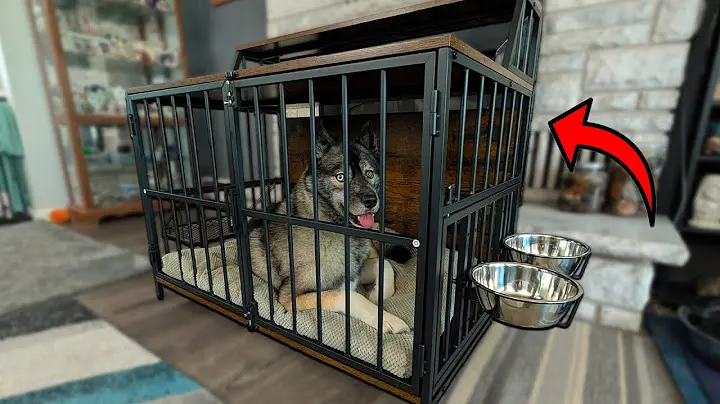
Choosing a furniture dog crate is about blending pet safety with home décor. A well‑designed crate can serve as a stylish storage unit, a cozy sleeping spot, and a discreet boundary for your dog—all while complementing the room’s aesthetic. This guide walks you through key design styles and the materials that make these crates durable, functional, and worth the investment.
Design Styles & Aesthetics
Furniture dog crates come in a spectrum of styles that cater to modern interiors, from minimalist Scandinavian lines to rustic farmhouse charm. A popular trend is the “room‑divider” crate, which features a solid front panel and a removable back, allowing the unit to double as a partition while still providing a safe space for a dog. These models often incorporate built‑in shelving or storage drawers, turning the crate into a multi‑purpose piece that can hold blankets, toys, or even a small coffee table. Another aesthetic choice is the “hidden‑crate” design, where the dog’s enclosure is concealed behind a false wall or a decorative panel. This approach keeps the crate out of sight when the dog is not in use, preserving the room’s visual flow. For those who prefer a more traditional look, a crate with a wooden frame and a faux‑furniture finish—such as a faux‑wood grain or a faux‑metal look—can blend seamlessly with existing furniture. When selecting a style, consider the crate’s placement. A crate that sits against a wall can be a subtle accent, while a freestanding unit can serve as a focal point in a living area. Matching the crate’s color palette to your décor—neutral tones for a calm space or bold colors for a statement piece—ensures the crate feels intentional rather than an afterthought.
Materials & Durability
The longevity of a furniture dog crate hinges on the quality of its construction. High‑grade plywood or medium‑density fiberboard (MDF) is commonly used for the frame, providing a sturdy base that resists warping. These boards are often sealed with a non‑toxic, pet‑safe finish to protect against chewing and moisture. For the interior, a smooth, non‑porous surface such as a sealed hardwood or a reinforced plastic lining prevents bacteria buildup and makes cleaning straightforward. Metal components—especially steel or aluminum—are favored for their strength and resistance to deformation. A metal frame can support heavier dogs without compromising structural integrity, while also offering a sleek, industrial look that pairs well with contemporary décor. Hinges and latches should be heavy‑duty and lock securely to prevent accidental openings, ensuring the dog’s safety. Durability also depends on the crate’s ability to withstand daily wear. Look for crates that feature reinforced corners and double‑layered walls, which distribute weight evenly and reduce the risk of cracks. Many manufacturers now incorporate a “no‑scratch” coating on the interior, which protects the dog’s paws and the crate’s finish alike. Finally, consider the crate’s maintenance: a model with removable, washable panels or a dishwasher‑safe lining can save time and extend the unit’s life. By evaluating frame material, finish quality, and protective features, shoppers can choose a furniture dog crate that remains both functional and stylish for years to come.
Storage Features
Furniture dog crates are designed to blend seamlessly into home décor while providing practical storage solutions for pet supplies. The most common storage feature is a built‑in shelf or compartment beneath the crate’s floor. This space can hold food bowls, toys, grooming tools, or even a small basket of blankets, keeping the area tidy and reducing clutter in living spaces. In addition, many models incorporate side pockets or hanging loops that can be used to store leashes, collars, or small accessories, which helps keep the crate’s interior organized and the surrounding area free of stray items. Another key storage element is the use of removable trays or trays that double as a feeding station. These trays can be pulled out for cleaning or to serve as a convenient surface for feeding, then slid back into place to maintain a clean look. Some high‑end designs feature a hidden drawer that opens with a discreet latch, allowing owners to store items out of sight while still keeping them within easy reach. The materials used for these storage components also matter. Crates made from solid hardwood or engineered wood often feature reinforced shelves that can hold heavier items without sagging. Metal frames with adjustable shelving provide flexibility for different storage needs. For pet owners who prefer a minimalist aesthetic, crates with hidden storage—such as a false bottom or a concealed compartment—offer a sleek look while still delivering functional space. Overall, the integration of storage into furniture dog crates enhances both convenience and aesthetics. By choosing a crate that offers thoughtful storage options, owners can keep their living areas organized and ensure that essential pet supplies are always within reach.
Size Guide Overview
Selecting the right size for a furniture dog crate is essential for both the comfort of the pet and the functionality of the space. The general rule is to allow the dog to stand, turn around, and lie down comfortably. A common measurement guideline is to add 2 to 3 inches to the dog’s length for the crate’s interior length, and 2 to 3 inches to the height for the interior height. This ensures the dog has enough room to move without feeling cramped. For small breeds, a crate with an interior width of 20 to 24 inches and a height of 18 to 22 inches typically suffices. Medium‑sized dogs usually require an interior width of 28 to 32 inches and a height of 24 to 28 inches. Large breeds, while not the focus of this guide, generally need widths of 36 inches or more and heights of 30 inches or greater. These dimensions help prevent the dog from feeling confined and reduce the risk of injury. When evaluating furniture dog crates, it’s also important to consider the crate’s overall footprint. A crate that is too wide can dominate a room, while one that is too narrow may not fit comfortably in a hallway or corner. Many manufacturers provide a footprint chart that lists the crate’s external dimensions, allowing owners to plan placement in relation to furniture and doorways. In addition to size, the crate’s door placement and latch type can influence usability. A front‑door design with a secure latch is ideal for small and medium dogs, while a side‑door may be more convenient for larger breeds. The door’s width should be at least 6 inches to accommodate most dogs comfortably. By following these size guidelines and considering the crate’s footprint and door design, shoppers can choose a furniture dog crate that fits their pet’s needs and their living space, ensuring a harmonious blend of style and function.
Top Picks by Budget
Choosing a furniture dog crate that fits your budget while still offering style and durability involves balancing three key factors: material quality, design integration, and functional features. The most affordable options are typically constructed from lightweight aluminum or composite panels, which provide a sleek, modern look without the heft of traditional steel. These models often include removable fabric panels that can be swapped to match seasonal décor or to accommodate different dog sizes. A popular entry‑level example is the “Urban Nest” crate, which uses a tempered glass front for a contemporary aesthetic and a built‑in storage drawer for toys or treats. Mid‑range crates, such as the “Cozy Corner” series, combine a solid wood frame with a removable, washable canvas interior. These units offer better insulation and a more robust feel, while still allowing the owner to choose from a palette of finishes that blend with living room or bedroom furniture. Higher‑end models, like the “Sleek Retreat” line, feature a custom‑built hardwood frame, a full‑height interior, and a hidden door that opens into a small storage compartment. These crates are designed to look like a built‑in piece of furniture, with a low profile that can sit beneath a sofa or beside a bed. Each tier of pricing reflects incremental improvements in construction, finish options, and added storage, enabling shoppers to select a crate that matches both their financial plan and their interior design goals.
Care & Maintenance
Maintaining a furniture dog crate in good condition requires a routine that addresses both the crate’s material and the pet’s hygiene. For aluminum or composite models, wipe the exterior with a damp microfiber cloth and a mild soap solution to remove dust and pet odors. Avoid abrasive cleaners that can scratch the finish. The interior fabric or canvas should be removed and machine‑washed on a gentle cycle with a pet‑friendly detergent; drying on a low heat setting prevents shrinkage. Wood‑faced crates benefit from a light coat of food‑safe polyurethane applied every six months to protect against moisture and stains. This finish also makes the surface easier to wipe down after accidental spills. All crates should be inspected monthly for loose screws, warped panels, or signs of wear on the door latch. Tightening fasteners and replacing worn parts promptly prevents accidents and extends the crate’s lifespan. Additionally, placing a non‑slip mat or a small rug inside the crate can reduce wear on the floor and provide a comfortable surface for the dog. By following these simple steps—cleaning, washing, sealing, and inspecting—owners can keep their furniture dog crate looking new and safe for years, while ensuring the pet’s environment remains hygienic and inviting.
