Furniture-Style Dog Crates: Blend Design & Function
Explore the best furniture-style dog crates that match your home décor. Learn how to choose, style, and maintain attractive dog crates that look like furniture.
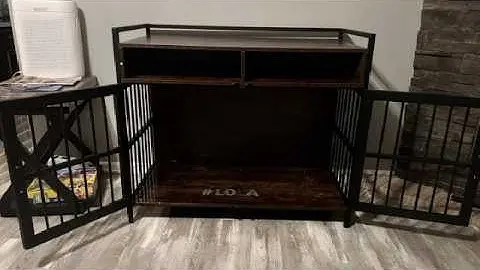
A furniture‑style dog crate blends the practicality of a pet enclosure with the aesthetics of home décor. Designed to look like a piece of furniture—such as a cabinet, ottoman, or shelving unit—it offers a seamless way to keep your dog comfortable while enhancing your living space. This guide explains what these crates are, the materials and designs that make them stand out, and how to choose one that fits both your pet’s needs and your interior style.
What Is a Furniture‑Style Dog Crate?
Furniture‑style dog crates are purpose‑built pet enclosures that mimic the look of conventional furniture. Unlike traditional crates that emphasize function over form, these units are crafted to blend into living rooms, bedrooms, or offices, often featuring wood grain finishes, upholstered panels, or built‑in shelving. The core concept is to provide a safe, comfortable space for a dog while maintaining visual harmony with the room’s décor. Many designs incorporate soft, padded interiors and adjustable dividers, allowing owners to customize the crate’s size and layout for puppies or adult dogs. By integrating a crate into the furniture lineup, pet owners can reduce the visual clutter of separate pet accessories and create a cohesive aesthetic. The result is a dual‑purpose piece that serves as both a functional dog shelter and a decorative accent.
Top Materials & Designs
The most popular materials for furniture‑style dog crates include solid hardwoods, engineered wood composites, and high‑density fiberboard. Hardwood options—such as oak, maple, or walnut—offer durability and a natural finish that can be stained or painted to match existing cabinetry. Engineered wood, like plywood or MDF, provides a cost‑effective alternative while still allowing for smooth paint or veneer application. Fiberboard is often chosen for its lightweight properties and ease of assembly, though it requires protective sealing to resist moisture and chewing. Upholstered variants use fabric or faux‑leather panels that can be swapped to match seasonal décor changes; these fabrics are typically treated for stain resistance and easy cleaning. Design variations range from minimalist, floor‑standing units with clean lines to more elaborate pieces that incorporate built‑in storage or shelving for toys and accessories. Some models feature a low profile that can be tucked under a sofa or a tall, freestanding unit that doubles as a room divider. Each design balances aesthetic appeal with practical considerations such as ventilation, ease of cleaning, and the ability to secure the crate against a dog’s attempts to escape.
How to Choose the Right Size
Selecting the correct size for a furniture‑style dog crate is essential for your pet’s comfort and for the crate’s aesthetic integration into your living space. The first step is to measure your dog’s length from nose to base of tail and add 2 to 4 inches for headroom and legroom. For example, a Labrador retriever typically measures 24 to 27 inches in length; a crate that is 30 inches long and 24 inches high will accommodate the dog comfortably while still fitting within a standard dining room table frame. Next, consider the crate’s width. A width that is at least 1.5 times the dog’s shoulder width ensures the animal can turn around without feeling cramped. If your dog is a larger breed, a crate that is 36 inches wide may be necessary to maintain a sense of spaciousness. The height of the crate should be sufficient for the dog to stand, lie down, and sit upright without strain. A height of 24 to 30 inches is typical for medium‑sized dogs, while larger breeds may require 30 to 36 inches. Finally, evaluate the crate’s overall footprint. A rectangular crate that measures 30 by 36 inches fits well on a coffee table or sideboard, whereas a square crate of 30 inches on each side can be placed on a rug or under a window. By matching the crate’s dimensions to your dog’s size and your furniture layout, you achieve a harmonious blend of function and style.
Styling Tips for Your Home
Furniture‑style dog crates are designed to complement interior décor, but thoughtful styling can elevate both the crate and the room. Begin by selecting a crate that mirrors the color palette of your space. A matte black crate pairs well with modern industrial interiors, while a warm walnut finish enhances rustic or farmhouse settings. If you prefer a more subtle approach, choose a neutral tone such as cream or gray to blend seamlessly with contemporary living rooms. Next, consider the crate’s placement. Positioning the crate on a low‑profile console table or a corner of a hallway can create a focal point that doubles as a functional storage unit. For rooms with high ceilings, a taller crate can serve as a decorative accent that draws the eye upward. Adding a small, matching rug under the crate can anchor the piece and protect flooring. Incorporate soft bedding that matches the room’s color scheme; a plush, patterned blanket can add texture and visual interest. Finally, accessorize with discreet décor items such as a small potted plant or a framed photo beside the crate. These touches reinforce the crate’s role as a stylish furniture element while ensuring your dog remains comfortable and secure.
Maintenance & Cleaning
A furniture‑style dog crate that blends with your décor must also be easy to keep clean. The first step is to choose a crate with removable, washable components. Most high‑end models feature a removable foam or padded floor that can be taken out and laundered in a front‑loading washer. If the crate’s interior is upholstered, look for a fabric that is both stain‑resistant and machine‑washable, such as a polyester blend treated with a water‑repellent finish. For crates with a solid wood or metal frame, a simple wipe‑down with a mild detergent and a soft cloth will keep the surface free of odors and grime. When cleaning, avoid harsh chemicals that can damage the finish or leave a residue that might attract your dog’s scent. After washing, allow the removable parts to air dry completely before reassembling to prevent mildew. For a quick refresh, a damp microfiber cloth can remove dust from the crate’s exterior, while a small brush can dislodge hair from the interior seams. Regular cleaning not only preserves the crate’s appearance but also promotes a healthier environment for your pet, reducing the buildup of bacteria and allergens. By establishing a routine—washing removable parts weekly and wiping the frame twice a week—you’ll keep the crate looking like new furniture for years.
Where to Buy
When searching for a furniture‑style dog crate, start with retailers that specialize in pet furniture and home décor. Major online marketplaces such as Amazon, Wayfair, and Overstock offer a wide selection of designer crates that come in various finishes, from walnut veneer to contemporary matte black. These platforms provide customer reviews and detailed product images, allowing you to compare style, size, and material quality before purchase. For a more curated experience, boutique pet stores like PetSmart’s “Pet Design” section or specialty shops such as The Dog House offer hand‑picked crates that match current interior design trends. If you prefer in‑person shopping, home décor retailers such as IKEA or Target’s Home section often carry modular crates that double as storage units, providing a seamless blend of function and aesthetics. Local home improvement stores, like Home Depot or Lowe’s, occasionally stock modular pet furniture that can be customized with different upholstery options. When buying, verify the crate’s dimensions against your dog’s size and the room’s layout, and check for certifications such as ASTM or ISO for safety compliance. Finally, consider the return policy and warranty—reputable sellers typically offer a satisfaction guarantee and a limited‑time warranty to protect your investment.
