Griffon Vulture: Wingspan, Diet, Habitat, and Conservation
Old World vulture species classification, carrion feeding, soaring flight and conservation.
Griffon Vulture: Wingspan, Diet, Habitat, and Conservation
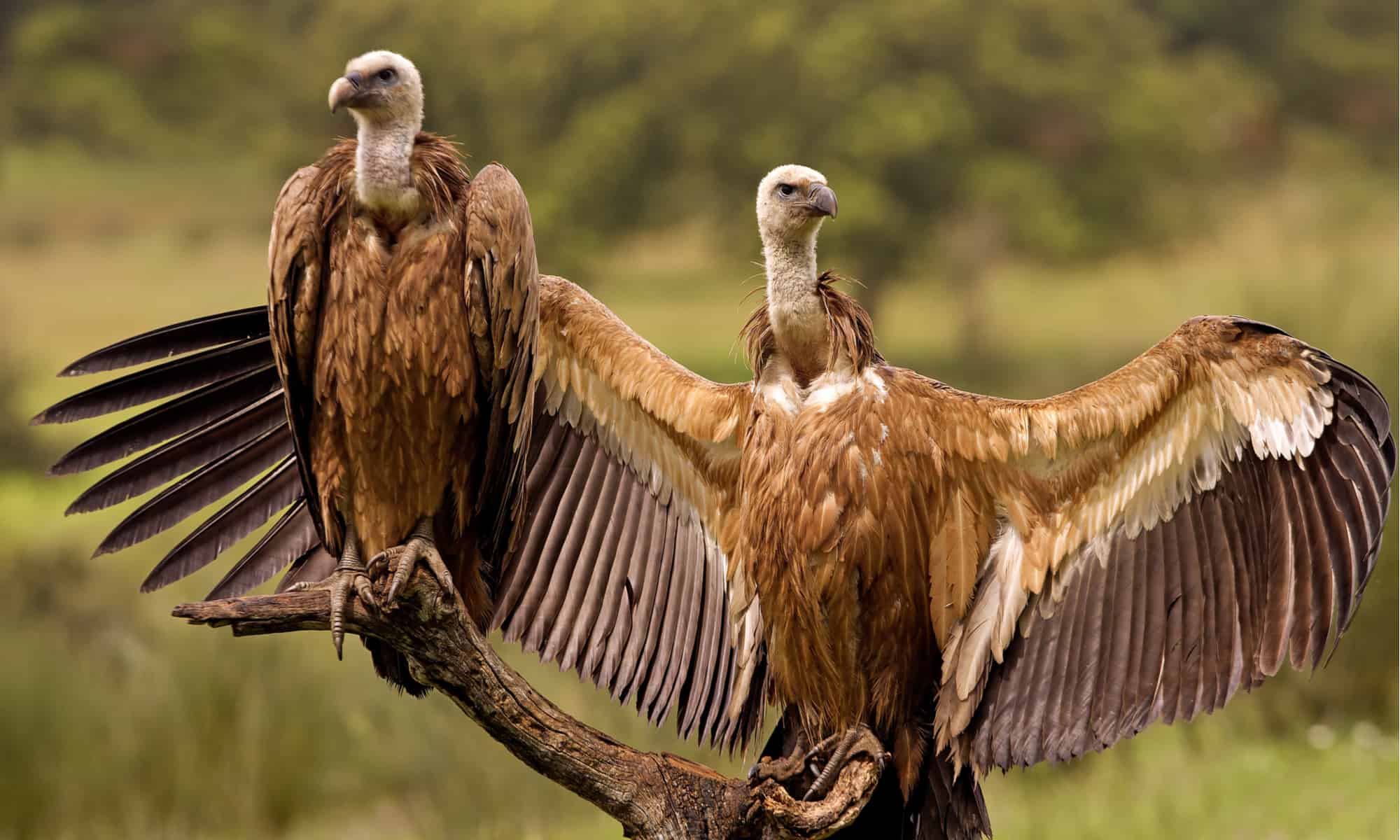
Griffon vultures are large Old World scavenging birds with broad soaring wings and a pale neck ruff. Its identity and ecology become clearer when appearance, habitat and seasonal behavior are considered together.
Identification and classification
They differ from bearded vultures in diet and silhouette.
For reliable bird identification, combine shape, plumage, calls, habitat and season. Molting, sex, age and lighting can change the appearance of the same species considerably.
Habitat, range and seasonality
They use mountains, cliffs and open landscapes where air currents support long-distance soaring. Cliff colonies and wide foraging areas can be important.
Bird ranges often change between breeding and nonbreeding seasons, which is why an observation checklist should include date as well as location.
What it eats and why that matters
Carrion is their principal food source. Scavenging can rapidly remove carcasses and recycle nutrients, while exposing birds to contaminants.
Food choice connects an individual bird to the broader habitat: insects, seeds, carrion or aquatic animals may be available only under particular conditions.
Breeding and behavior
Social soaring and communal feeding help individuals locate food in large landscapes. Nesting on cliffs provides relative separation from some ground disturbances.
Breeding behavior should be observed without approaching eggs, young or occupied nesting sites. Disturbance can make a useful observation harmful.
Risks, uncertainty and misconceptions
They differ from bearded vultures in diet and silhouette.
When using conservation data, specify the region and the date of the assessment. A stable global classification may coexist with declines in particular nesting or wintering areas.
Griffon vultures should not be confused with bearded vultures: the latter specialize much more strongly in bone, while griffon vultures typically consume softer carcass material. Their flight profiles also differ.
How to observe it responsibly
The most dependable field mark is rarely a single color. Shape, behavior and season provide the context needed to avoid look-alike mistakes. Taxonomy, migration patterns and conservation status can be revised. Source dates are especially important for these claims.
Use binoculars or distant observation where possible; do not disturb breeding birds or handle wild birds.
Quick takeaways
They use mountains, cliffs and open landscapes where air currents support long-distance soaring.
Carrion is their principal food source.
Veterinary drug residues and poisoned carcasses are conservation risks in some regions.
Frequently asked questions
What kind of bird is Griffon Vulture?
Griffon vultures are large Old World scavenging birds with broad soaring wings and a pale neck ruff.
Where is it found?
They use mountains, cliffs and open landscapes where air currents support long-distance soaring.
What does it eat or how does it feed?
Carrion is their principal food source.
