Does Your Hair Need a Detox? Buildup and Clarifying Explained
Learn what 'hair detox' usually means, how buildup differs from scalp concerns, and when a clarifying wash might make sense.
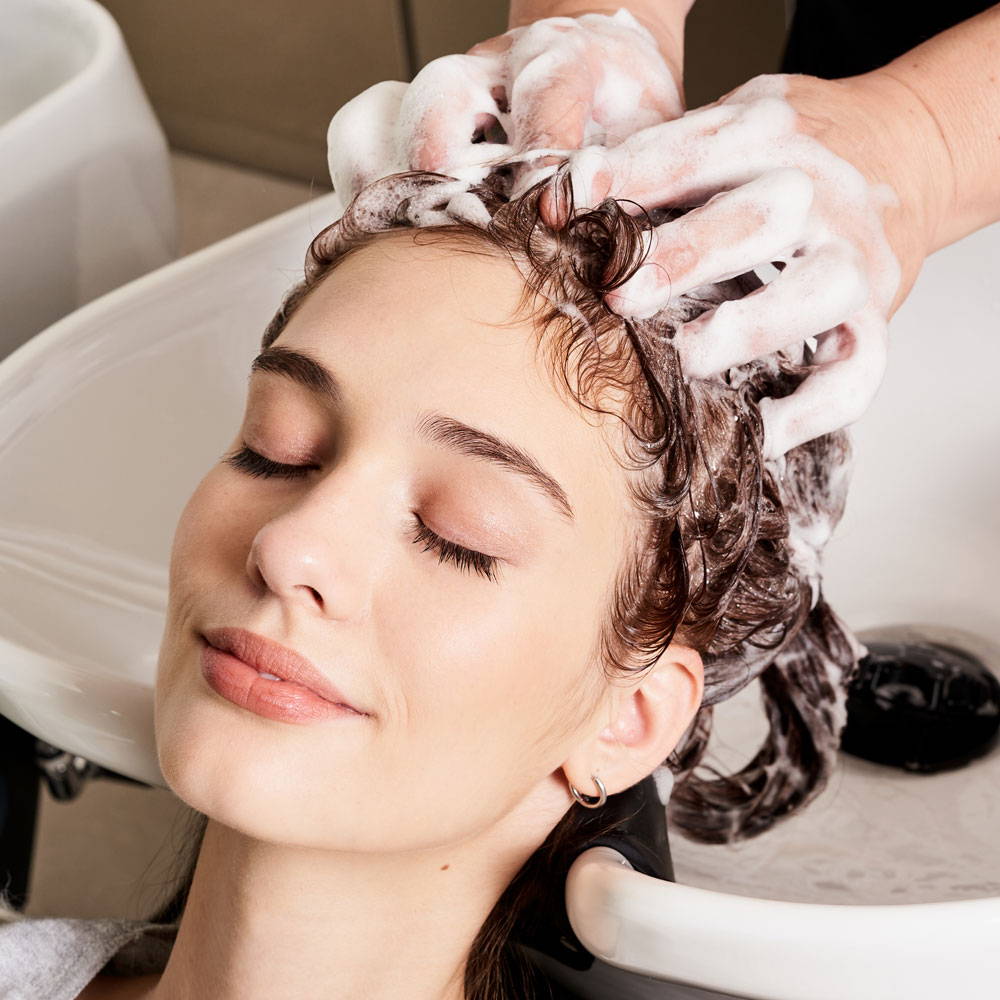
Does Your Hair Need a Detox? Buildup and Clarifying Explained
Hair detox is a popular phrase, but it can mean almost anything from a strong clarifying shampoo to a scalp treatment at a salon. Hair does not need a miracle product to 'flush toxins' out of the body. In most practical conversations, people are asking whether styling residue, oils, hard-water deposits, or repeated product use are making hair feel dull and heavy. The solution should match the actual problem.
What 'detox' usually means for hair
A shampoo labeled detox may be formulated to cleanse more thoroughly than a mild everyday cleanser. Some products target buildup from styling products; others focus on a refreshing scalp sensation. Read what the maker actually claims to remove. If your hair feels coated after heavy use of oils, gels, or dry shampoo, changing your wash routine may make more sense than buying several treatments advertised as detoxifying.
Clues that buildup may be involved
Hair that suddenly loses volume, feels waxy immediately after washing, or does not respond normally to styling may have product residue. However, a flaky, itchy scalp is not automatically a buildup problem: dandruff, dermatitis, or another condition can also produce symptoms. Do not diagnose a scalp disease by how greasy your hair looks in a mirror.
Clarifying shampoo versus regular wash
A clarifying shampoo often cleans more aggressively than a gentle routine shampoo. This can be useful occasionally, but overuse can leave dry, colored, curly, or fragile hair feeling rough. Start with the label's frequency guidance and follow with appropriate conditioning of the lengths. If you color your hair, consider whether a strong wash affects your preferred color maintenance routine.
What a detox cannot do
No rinse-out cosmetic can treat the systemic cause of hair loss, remove harmful substances from the bloodstream, or reverse a nutritional deficiency. Be skeptical of claims that one shampoo can 'reset follicles' or cure scalp disease. When hair shedding, bald patches, redness, or pain are the main concern, a dermatologist-led evaluation makes more sense than a series of detox products.
Rebuild a simple routine after cleansing
Once excess residue is removed, watch whether your regular conditioner is enough. If ends remain dry, a targeted conditioning mask may help. Our EverPure and Gisou guides describe rinse-out product options for shine and softness; those are cosmetic decisions rather than medical hair-loss treatments.
Quick decision checklist
Identify residue versus scalp symptoms
Choose appropriate wash frequency
Do not confuse cleansing with medical hair-loss treatment
Frequently asked questions
Does hair detox remove toxins from the bloodstream?
No. Hair-cleansing products act on hair and scalp surfaces, not on systemic toxins.
Can clarifying shampoo cure dandruff?
Not reliably. Persistent flaking or inflammation may need appropriate diagnosis and treatment.