Heidi Klum’s Views on Aging and Beauty in Her 50s
Heidi Klum’s Views on Aging and Beauty in Her 50s. Learn the verified history, key details and what distinguishes this topic from similar searches.
Heidi Klum’s Views on Aging and Beauty in Her 50s
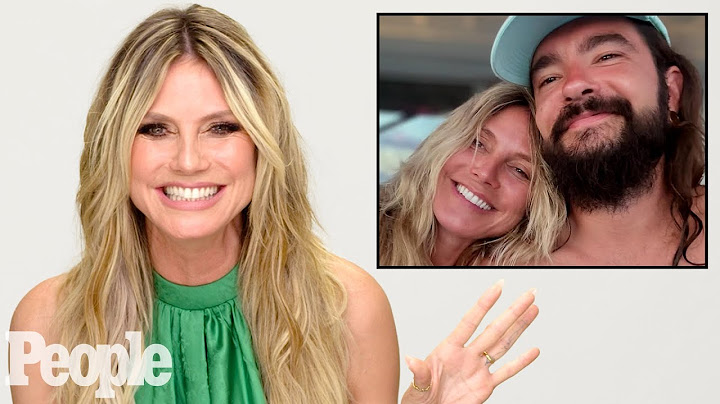
Heidi Klum has spoken publicly about becoming older while working in a profession that is often fixated on youth. The most useful answer to searches about “Heidi Klum aging” comes from her own interviews about body image and confidence, not online attempts to diagnose cosmetic procedures from photographs. In 2025, when she was 52, she talked to People about rejecting the idea that age should remove someone from fashion or public life.
What has Heidi Klum actually said about aging?
In interviews around her early 50s, Klum described aging as a normal part of life rather than an expiration date for self-expression. Her remarks focused on how she wants to dress, live and be perceived. AARP’s reporting on her People interview emphasized her rejection of age-shaming and body-shaming. That is a clear, attributable point of view. It is not evidence that all people experience getting older in the same way, and it is not a medical recommendation for skincare or wellness.
Confidence and personal presentation
Klum has continued to take part in high-profile fashion events and television productions in her 50s. The way she presents herself on a red carpet is a professional and creative choice, not a diagnostic clue. Her 2026 Grammys appearance, for example, was an intentionally sculptural fashion statement. It can be discussed as a design decision without assigning hidden motives or speculating about her physical health. Readers looking for an example of confidence in practice can consider that public work rather than anonymous before-and-after comparisons.
How her comments connect to fashion ageism
Ageism in fashion includes the assumption that certain clothing, campaigns or levels of visibility belong only to young people. Klum’s public remarks push against that idea by arguing for personal choice. There is a difference between describing her position and declaring that the industry has solved age discrimination. Older models may still face structural limits, and one celebrity’s success does not erase them. Her story offers a recognizable perspective on the question rather than a universal answer.
Beauty and wellness are not the same as appearance rumors
Some interviews also touch on hydration, skincare and everyday wellness habits. Those topics are easy to sensationalize, especially when attached to a celebrity endorsement. An accurate article separates the things Klum personally says she does from medical claims about preventing aging. It should not infer procedures or diagnoses based on lighting, makeup, weight changes or image editing. In fashion reporting, one can discuss products and presentation without pretending to know the history of another person’s body.
Looking at her career across decades
The contrast between a 1998 Sports Illustrated cover and her 2026 public appearances shows the length of Klum’s career, not a contest to prove that time has stood still. Her modeling began after a 1992 contest, and her work later expanded into production and television. Reading her comments alongside that chronology reveals why age has become a recurring interview topic: she remains visible in an industry famous for short career cycles. This page is about her stated outlook, while an early-career timeline provides the historical record.
Frequently asked questions
What has Klum said about aging?
In interviews she has rejected age-shaming and emphasized the freedom to choose how she dresses and presents herself.
Does this confirm or deny any cosmetic surgery?
No. Her public comments about confidence and getting older do not establish medical or cosmetic treatment history.
Related reading
Heidi Klum in the 1990s: The Rise of Her Modeling Career