Hermit Crab Lifespan — Habitat, Molting and Care
Hermit Crab Lifespan: species and captive-vs-wild uncertainty, humidity and shell needs. Read the guide.
Hermit Crab Lifespan — Habitat, Molting and Care
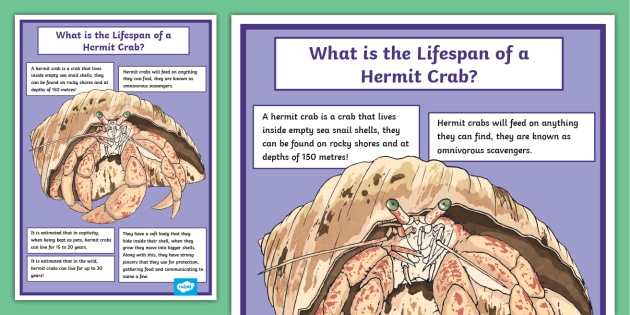
Land hermit crabs can live for many years under suitable conditions; poor captive care often shortens their lives.
Lifespan and species context
They need species-appropriate humidity, deep safe molting substrate, spare shells, social considerations and fresh/saltwater access prepared correctly.
Land hermit crabs are crustaceans that use empty shells for protection; they are not true crabs in the same way as most seaside crabs. Species identification matters for eventual size, social requirements and lifespan. Many animals sold in souvenir shops have been taken from the wild, raising animal welfare concerns.
Humidity, warmth and substrate
A proper enclosure must maintain warm, humid conditions without waterlogged substrate. Deep substrate lets crabs molt underground; stable humidity supports respiration through modified gill structures. Choose safe materials, avoid painted shells and provide multiple appropriately sized natural shells.
Food, water and shells
Offer varied species-appropriate foods and access to both fresh and properly mixed marine saltwater in containers they can enter and exit safely. Healthy calcium sources can be part of the feeding plan. Research the requirements of the actual species instead of following a one-size-fits-all pet-shop instruction sheet.
Molting behavior
A crab that spends a long period underground may be molting and should usually be left undisturbed. Disturbance can cause serious injury. Observe surface activity, food intake and environmental readings while avoiding unnecessary handling or digging.
Land hermit crabs are not disposable pets. Their capacity to molt safely depends on deep substrate, stable humidity and sufficient time undisturbed. A crab hiding underground for a long time may be molting; digging it up can be harmful.
Health and welfare
Land hermit crabs may decline from poor humidity, inappropriate water, stress, injury or failed molts. A veterinarian experienced in invertebrates may be hard to find, so prepare resources and reliable care guidance before acquiring animals. Never assume immobility or an abandoned shell means the animal is healthy.
Painted shells, dry shallow tanks and forced handling undermine welfare.
Long-term commitment
Their expected lifespan is not a promise about an individual animal. Captive survival depends on suitable long-term care and careful sourcing; some land hermit crabs can live for many years. Plan for that commitment rather than treating them as short-lived novelty pets.
Applying the advice in real life
A workable setup requires monitoring humidity and temperature with dependable gauges and offering enough depth for safe molts, even if the enclosure seems large enough from the outside. Choose food and water containers that cannot trap an animal. Quarantine, handling and social grouping should be researched for the particular species rather than improvised.
Watch for a long-term pattern in feeding, shell choices and molts instead of expecting daily display activity. If the substrate needs replacement or deep cleaning, plan around buried animals. Frequent disruption, painted souvenir shells and too-dry conditions are common welfare pitfalls.
Frequently asked questions
Does one guide apply to every individual? No. Species, age, genetics, environment and health history change what is appropriate.
What should an owner observe over time? Track appetite, movement, behavior, comfort and the conditions in which the animal lives.
When is professional help appropriate? When signs suggest pain, injury, serious illness or when the correct care requirements are uncertain.
Related guides
How Long Do Snakes Live? Species and Captivity Factors
Pet Snake Species: Temperament, Welfare and Commitment
Bearded Dragon Diet: Greens, Insects and Age-Appropriate Feeding
