Best Crates for Dogs with High Anxiety
Learn how to select a crate that calms high‑anxiety dogs, covering size, material, design, and training tips to reduce stress.
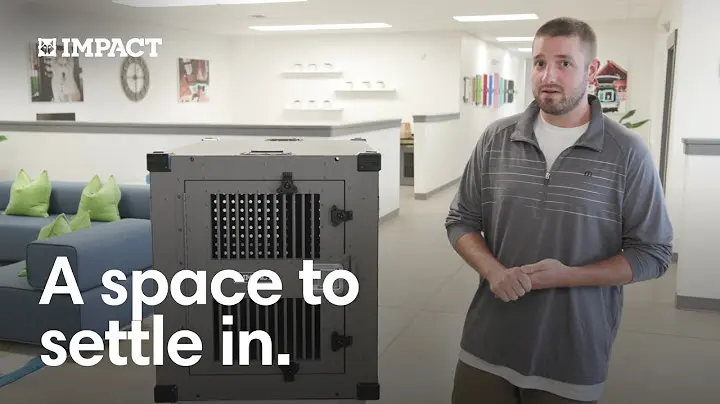
Choosing a crate for a high‑anxiety dog is more than a matter of size; it requires understanding the animal’s stress signals and selecting a design that promotes calm. This guide explains what makes a dog anxious, then walks through the essential features that can help reduce fear and create a safe, comforting space.
What is a high‑anxiety dog?
A high‑anxiety dog exhibits persistent nervousness that interferes with daily life. Common signs include excessive panting, trembling, pacing, and avoidance of eye contact. These dogs may also display destructive behaviors such as chewing or digging, and they often react strongly to new environments or unfamiliar people. The anxiety can stem from genetics, early socialization deficits, or traumatic experiences. Importantly, the anxiety is not simply a dislike of being confined; rather, it is a heightened sensitivity to perceived threats. Owners may notice that even routine activities—like a walk or a vet visit—trigger intense fear. Understanding these cues is crucial because it informs how a crate can be used as a tool for safety and training rather than a punitive measure. When a crate is introduced gradually and paired with positive reinforcement, it can become a sanctuary that reduces the dog’s overall stress levels.
Key features to look for in a crate
The first feature to consider is the material. A crate made of sturdy, yet breathable mesh offers ventilation and visual stimulation, which can help anxious dogs feel less confined. Avoid heavy, opaque plastic or metal that may amplify claustrophobia. Second, the door design matters; a top‑opening or side‑opening door allows the dog to enter and exit without feeling trapped. Third, the crate’s size should be just large enough for the dog to stand, turn, and lie down comfortably, but not so large that it encourages pacing. A well‑proportioned crate reduces the sense of being in a small, unescapable space. Fourth, consider a crate with a removable divider. This allows the dog to occupy a smaller, more secure area initially, then gradually expand as confidence grows. Fifth, look for a crate that can be covered with a soft, breathable blanket. A cover can create a den‑like environment that signals safety, but it should not be too dark or heavy, as that can increase anxiety. Finally, the crate’s ease of cleaning is essential; a smooth, non‑porous surface that can be wiped down quickly helps maintain a hygienic, stress‑free environment. By combining these features—ventilated mesh, accessible doors, appropriate size, adjustable sections, a calming cover, and easy maintenance—owners can create a crate that serves as a reliable tool for managing high‑anxiety dogs.
Size and material recommendations
When a dog experiences high anxiety, the crate must feel like a safe, secure den rather than a confinement. The first rule is that the crate should be large enough for the dog to stand, turn around, and lie down comfortably, yet not so large that the dog can use one corner as a bathroom and the other as a play area. A good rule of thumb is to add 2–3 inches to the dog’s length for the interior width and 4–6 inches for height. For example, a 25‑lb dog that measures 20 inches from nose to base of tail would fit well in a crate that is 22–23 inches wide and 26–28 inches tall. Material choice also affects anxiety. Wire crates with a solid floor provide ventilation and visibility, which can reduce stress for dogs that feel more secure when they can see their surroundings. However, some anxious dogs may feel exposed and prefer a crate with a solid side or a partition. Foam or padded interiors add comfort, but the material must be durable and easy to clean. For dogs prone to chewing, a metal or heavy-duty plastic crate with reinforced corners is preferable. Color and texture matter too. Darker colors can create a more enclosed, den‑like feel, while lighter colors may make the space feel open and less secure. A crate with a soft, non‑scratching interior lining can help soothe a nervous dog, especially if the crate is used during travel or in unfamiliar environments. Ultimately, the best crate is one that balances size, material, and sensory comfort to create a calm, predictable space for the dog.
Training the crate for anxious dogs
Crate training for an anxious dog is a gradual process that relies on positive reinforcement and consistency. Start by introducing the crate as a neutral, inviting space: place a favorite blanket, a chew toy, and a small amount of food inside. Allow the dog to explore the crate on its own, rewarding any calm behavior with treats and praise. Avoid forcing the dog into the crate; instead, use a gentle cue such as “inside” and open the door to let the dog enter voluntarily. Once the dog is comfortable entering, begin closing the door for short intervals—10 to 15 seconds—while continuing to offer treats. Gradually increase the duration as the dog remains relaxed. During this phase, play soft music or use a white‑noise machine to mask external sounds that might trigger anxiety. If the dog shows signs of distress, such as whining or pacing, reopen the door immediately and reset the training session. Incorporate the crate into daily routines: use it for short naps, during quiet times, and as a safe haven during thunderstorms or fireworks. Pair the crate with a calming scent, such as a lavender‑infused blanket, and avoid using the crate as punishment. Consistency is key; the dog learns that the crate is a safe, predictable environment, not a place of fear. Over time, the dog’s anxiety will diminish, and the crate will serve as a valuable tool for managing stressful situations.
Top product recommendations
When choosing a crate for a high‑anxiety dog, the first priority is comfort and safety. A crate that is too small can increase stress, while one that is too large may leave the dog feeling exposed. A good rule of thumb is to select a crate that allows the dog to stand up, turn around, and lie down in a relaxed position. The following models have consistently received positive reviews from veterinarians and behaviorists for their calming features: 1) The **K9 Krate 3‑Tier** offers a padded, removable floor and a top‑down design that reduces the feeling of confinement. 2) The **Petmate Sky Kennel** is a lightweight, collapsible option that includes a built‑in, removable foam pad and a secure, lock‑in latch that prevents accidental openings. 3) The **iDesign Dog Crate** features a breathable mesh side panel for airflow and a removable, washable cover that can be scented with a mild, dog‑friendly pheromone spray. Each of these crates balances durability with a sense of enclosure that can help an anxious dog feel secure.
FAQ
**Q: How do I introduce my anxious dog to a new crate?** A: Begin by placing familiar bedding and a favorite toy inside the crate. Leave the door open and allow the dog to explore at its own pace. Offer treats and praise when the dog voluntarily enters. Gradually increase the time spent inside while keeping the door closed for short intervals, always rewarding calm behavior. **Q: Can I use a crate for a dog that has had a traumatic experience with confinement?** A: Yes, but the process must be slow and positive. Use a soft, low‑profile crate that the dog can see out of, and avoid any loud noises or sudden movements near the crate. A crate with a top‑down or half‑open design can reduce the feeling of being trapped. **Q: Is a mesh crate better for anxious dogs?** A: Mesh crates provide visibility and airflow, which can reduce anxiety for some dogs. However, if the dog is prone to escaping or feels exposed, a fully enclosed crate with a secure latch may be more appropriate. **Q: How often should I clean the crate?** A: Clean the crate at least once a week, removing bedding and washing it with a mild, pet‑safe detergent. A clean environment helps prevent the buildup of odors that can trigger stress. **Q: Can I use calming supplements or pheromone sprays in the crate?** A: Many owners find that a dog‑friendly pheromone spray or a low‑dose calming supplement can reduce anxiety when used in conjunction with proper crate training. Always consult a veterinarian before starting any supplement.
