Honey Gourami Care — Temperature, Temperament and Tank Mates
Honey Gourami Care: species identification, territorial behavior and calm community tank planning. Read the guide.
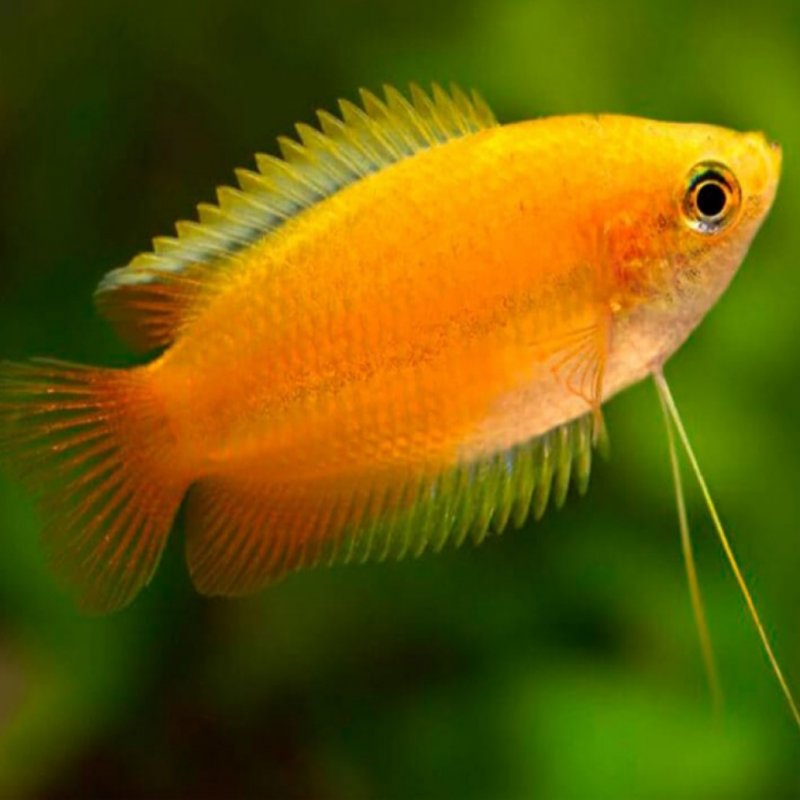
Honey Gourami Care — Temperature, Temperament and Tank Mates
Honey gouramis are small labyrinth fish often suited to calm, planted freshwater setups.
Identify the exact species
Provide gentle flow, surface access, hiding places and peaceful tankmates; shop labels may confuse them with other gouramis.
Correct species identification should come first: similar retail names may conceal major differences in adult size, water chemistry, diet and social behavior. An aquarium is a living system, not just a decorative container. Fish should not be purchased before the owner understands their adult requirements.
Water quality and habitat
Stable temperature and water quality are fundamental. Test ammonia, nitrite and nitrate with suitable kits, use dechlorinated replacement water and avoid abrupt parameter swings. Filtration works by maintaining beneficial microbes as well as moving water; rinsing all filter media in untreated tap water can disrupt that system.
Diet and companions
Feeding and habitat need to fit the fish or invertebrate. Some species graze biofilm, others need sinking food, live prey or a carefully formulated staple. Tankmates should be selected by adult size, temperament, water conditions and feeding competition rather than visual appeal alone.
Daily observations
Observe swimming behavior, breathing, appetite, coloration and social interactions every day. A new fish may hide briefly, but continued gasping, clamped fins, loss of balance or relentless aggression calls for attention. Quarantine and responsible stocking can reduce the spread of disease.
Responding to problems
When a problem appears, test water before dosing medication. Treatment choices depend on diagnosis and can harm shrimp, snails or sensitive fish if used incorrectly. Aquarium-care professionals and aquatic veterinarians can help with persistent or severe disease, particularly when multiple animals are affected.
Repeated chasing and refusal to feed indicate stress, not playful behavior.
Maintenance
Create a written maintenance routine for feeding, testing, partial water changes and equipment inspection. Do not replace all water or clean every surface on the same day to make the tank look sterile. Prioritize stability over quick fixes and plan for the animal's adult size and likely lifespan.
Applying the advice in real life
Before acting on advice from a store label, identify the precise species and the aquarium's current measurements. Keep a record of tank size, water temperature, test results, stocking dates and feed types. That makes it easier to tell a species mismatch from a temporary change in a young aquarium. The photograph of a colorful fish is not a stocking plan.
When maintenance is needed, prefer smaller controlled changes that preserve a stable biological filter. If a fish is stressed, check water and compatibility before buying a medication, salt additive or 'cleaner' animal. No algae eater or snail can take the place of responsible feeding and water changes.
Frequently asked questions
Do the same conditions suit every aquarium species? No. Adult size, water chemistry, diet and social behavior differ, even between animals sold under similar names.
What should be checked before adding animals? Confirm a cycled aquarium, species identification, mature size and tankmate compatibility.
What if an aquarium animal suddenly stops eating? Test water conditions and observe behavior before trying medication or large changes.
Related guides
Nerite Snail Care: Algae Grazing, Tank Conditions and Diet
Bristlenose Pleco Care: Tank Size, Diet and Behavior
