How Much Does a Rabbit Cost? Adoption and Lifetime Expenses
How Much Does a Rabbit Cost? Adoption and Lifetime Expenses: upfront vs recurring vet/hay/housing expenses. Read the guide.
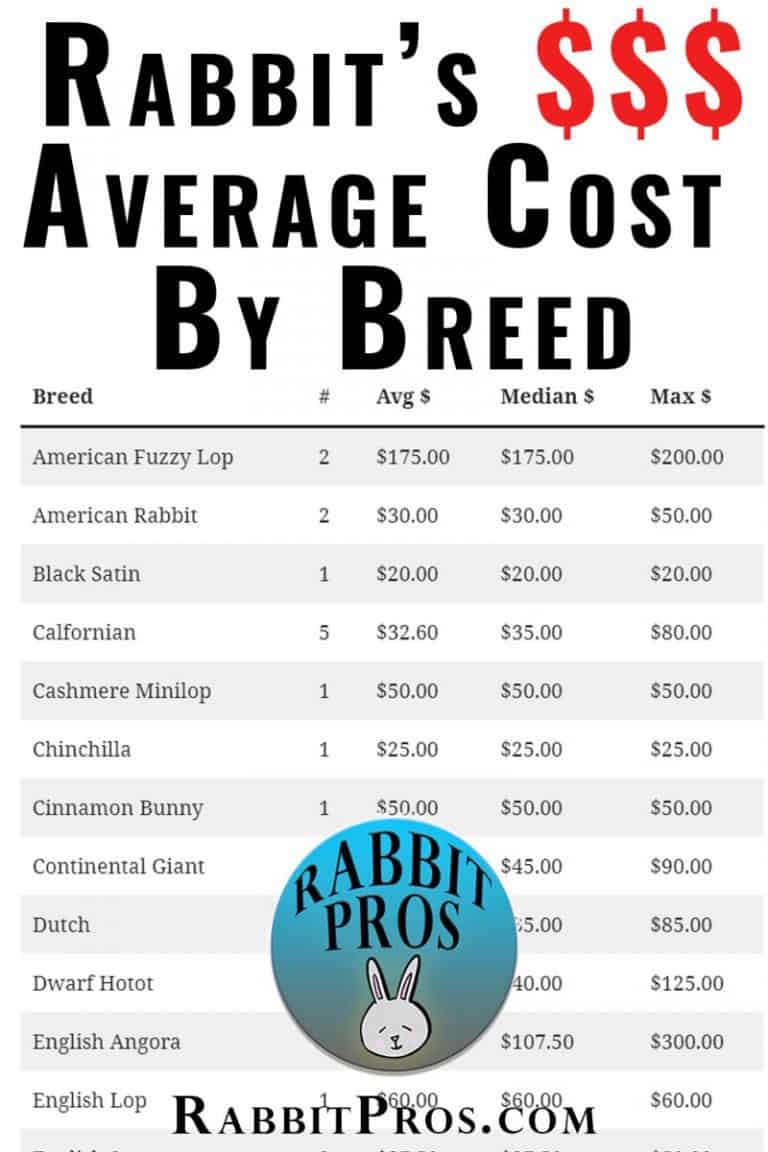
How Much Does a Rabbit Cost? Adoption and Lifetime Expenses
Rabbit ownership costs extend beyond adoption or purchase: large safe housing, unlimited appropriate hay, litter, fresh greens, enrichment and veterinary visits all recur.
Initial budget
Confirm a local rabbit-savvy veterinarian and emergency plan before adopting; spay/neuter costs can be significant.
The price of acquiring a small pet is often the smallest part of ownership. Budget for enclosure space, safe bedding or litter, food, enrichment, transport carriers, regular veterinary visits and unforeseen illness. US prices vary substantially by city, supplier and the animal's health needs.
A safe setup
Make a one-time shopping list before adopting rather than buying the cheapest starter kit. Many marketed kits are too small or omit important equipment. Ask rescues and experienced veterinary practices what a humane setup requires, and check the real footprint of the enclosure, not just the sales label.
Recurring supplies
Recurring spending deserves its own category. Consumables such as hay, pellets, fresh produce and bedding do not stop after the adoption day. Social species may need a compatible companion, increasing housing space and ongoing costs. Supplies should be sized for adult needs from the start.
Veterinary expenses
Emergency care is the biggest unknown. Some general practices do not routinely treat exotics, so locate a suitable veterinarian before bringing the animal home. Request actual local estimates for examinations and routine procedures; avoid treating unverified online averages as current quotes.
A rabbit setup should include an exercise area, secure flooring, hay storage, safe litter box, hides and enrichment. Rabbit-experienced medical and dental care is a recurring commitment. An inexpensive hutch cannot substitute for daily movement and companionship.
Time and household readiness
Before committing, evaluate the household's time: daily cleaning, feeding, observation, handling and veterinary trips. Consider holidays and emergency pet-sitting arrangements. Rehoming an animal because predictable needs became inconvenient is preventable through honest early planning.
Avoid unsourced universal US dollar quotes because rescue fees and veterinary costs vary widely by region.
Long-term budgeting
A sensible plan includes a start-up budget, monthly recurring budget and separate emergency reserve. Compare several local sources for supplies while prioritizing safety. Adoption can be an excellent option when the rescue provides clear medical history and realistic care guidance.
Applying the advice in real life
Divide the budget into acquisition, one-time setup, predictable monthly supplies and a separate emergency cushion. Compare prices from actual local stores and clinics rather than using one nationwide figure. A low initial adoption fee can still be excellent value, but only if the owner can fund correct housing and veterinary care afterward.
The time budget deserves equal weight: shopping for hay, preparing fresh food, laundering bedding, cleaning living space and finding reliable holiday care. If household members are sharing duties, write down responsibilities before adoption. A thoughtful plan should still work when a job schedule or family circumstance changes.
Frequently asked questions
Does one guide apply to every individual? No. Species, age, genetics, environment and health history change what is appropriate.
What should an owner observe over time? Track appetite, movement, behavior, comfort and the conditions in which the animal lives.
When is professional help appropriate? When signs suggest pain, injury, serious illness or when the correct care requirements are uncertain.
Related guides
Guinea Pig Costs: Adoption, Housing and Ongoing Care
