How to Remove Cat Urine Odor Without Damaging Surfaces
How to Remove Cat Urine Odor Without Damaging Surfaces: enzymatic cleaners, test fabrics, never mix chemicals. Read the guide.
How to Remove Cat Urine Odor Without Damaging Surfaces
Cat urine odor often persists because it penetrates carpet backing, subfloor or porous materials.
Understanding the problem
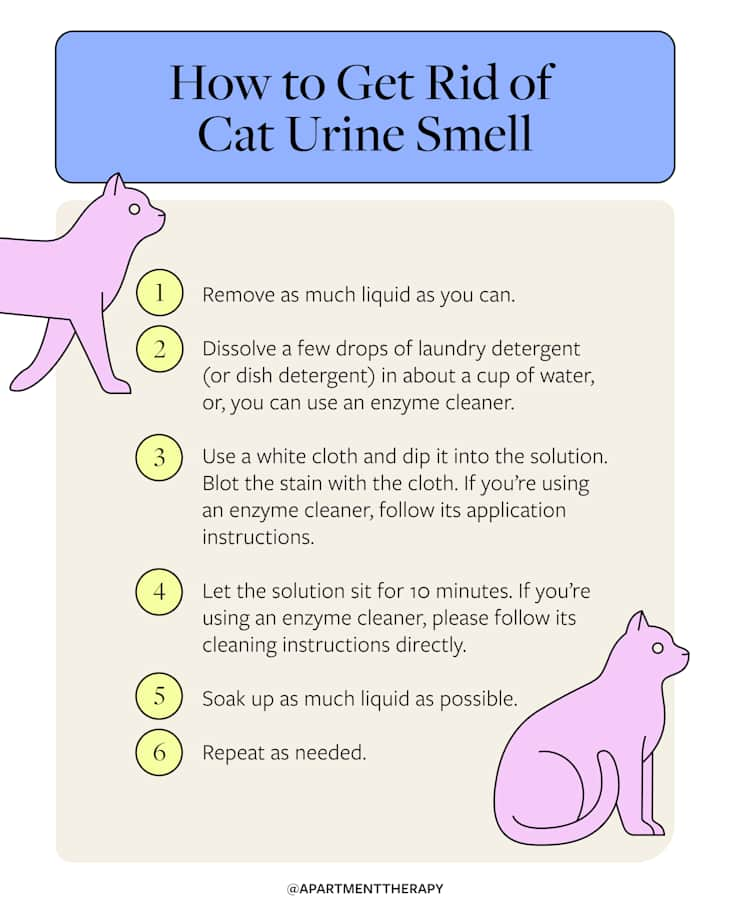
Blot fresh urine, use an enzyme cleaner labeled safe for the surface, and allow the prescribed contact time. Locate repeat spots with careful inspection before blaming 'behavior'.
Treat the visible sign as a clue rather than a complete diagnosis. Similar symptoms may arise from the environment, stress, diet or a medical condition. The pattern over time and the cat's behavior between episodes help decide what information a veterinarian needs.
Observations that help
Note when the issue began and whether household conditions changed: litter type, cleaning products, feeding schedule, visitors or other pets. Photograph visible evidence when practical, but avoid delaying assessment if the cat is in distress. A brief written timeline is often more helpful than a guess about intent.
Home adjustments
Start with gentle, reversible environmental changes such as access to clean water, quiet rest areas, familiar routines and appropriate hygiene. Avoid harsh punishment, strong perfumes or unapproved household medications. Problems involving elimination may require both veterinary investigation and a litter-box setup review.
When to get veterinary help
Signs that need attention include repeated vomiting, not eating, weakness, breathing changes, painful urination, significant weight loss or a cat that hides unusually. Difficulty passing urine is an emergency. Escalation should depend on the animal's condition, not the apparent simplicity of the topic.
Longer-term solutions
Once medical issues have been assessed, adjust the home based on the confirmed trigger. Reliable parasite prevention, gradual food transitions, predictable play and adequate resources for multi-cat households can make a practical difference. Reassess if the problem persists rather than repeatedly masking it.
Avoid ammonia-based cleaners and never mix bleach with urine or other cleaning products; repeated inappropriate urination needs a vet check.
Follow-up
Good follow-up means noting what improved and what did not. Keep dates and products used, because overlapping treatments can obscure the cause and complicate veterinary care. Some issues need more than one visit, particularly when both physical discomfort and learned habits are involved.
Applying the advice in real life
A problem-solving plan separates urgent medical issues from changes that can be handled through routine adjustment. First check eating, drinking, breathing, urination and energy. Once immediate risks are ruled out, study the environment: available resources, food timing, hidden conflicts with other pets and recent cleaning or remodeling. Change one variable at a time so results are easier to interpret.
Ask the veterinarian what should trigger a return visit and how soon improvement should appear. If a behavior improves only while a product is in use, consider whether the underlying problem is unresolved. A consistent diary can help connect symptoms to weather, travel, meals or household events.
Frequently asked questions
Does one guide apply to every individual? No. Species, age, genetics, environment and health history change what is appropriate.
What should an owner observe over time? Track appetite, movement, behavior, comfort and the conditions in which the animal lives.
When is professional help appropriate? When signs suggest pain, injury, serious illness or when the correct care requirements are uncertain.
Related guides
Cat Throwing Up Clear Liquid: Possible Causes and Red Flags
Flea Dirt on Cats: How to Identify It and What to Do
Catios for Cats: Safe Outdoor Enclosure Planning
