Hummingbird Feeder: Selection, Setup and Safe Feeding
Learn how to choose and use hummingbird feeder for backyard birds. Compare key features, feeding options, placement, safe cleaning and common mistakes.
Hummingbird Feeder: Selection, Setup and Safe Feeding
A hummingbird feeder should be selected for easy disassembly and safe fresh nectar, not for maximum capacity. Small, washable reservoirs and uncomplicated ports make more sense for most households than an elaborate bottle that stays full for weeks.
**Short answer:** For hummingbird feeder, prioritize the fit between the intended birds, the food or hardware involved and a realistic cleaning routine. The most useful option is one that stays safe and easy to maintain in your specific yard—not necessarily the largest or most heavily advertised design.
What to evaluate before choosing
Reservoir size
Choose a reservoir the local birds can empty within a short cleaning cycle. A partly filled large reservoir does not automatically stay cleaner than a small one.
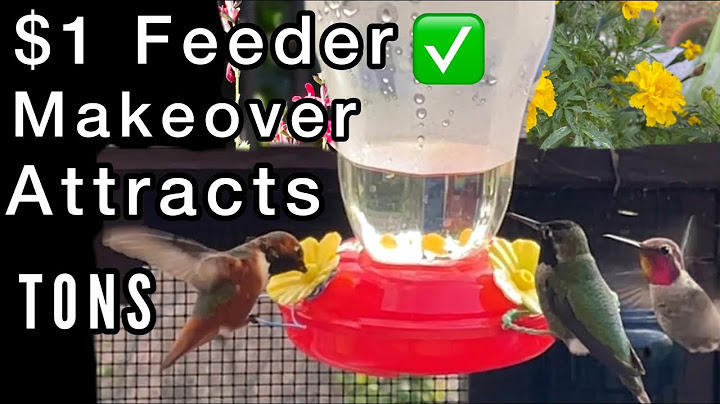
The specification matters most when it changes which birds can reach food. Read actual dimensions, watch local species and consider how often you will inspect the station.
Feeding ports
Check for smooth, accessible openings, removable flowers or guards and any narrow channels that can trap mold. Flashy colors are less important than thorough cleaning.
Picture a normal refill, not only the first installation. You should be able to remove worn components, clear trapped residue and return the equipment to service without improvised tools.
Leak control
An inverted bottle can drip as temperature and pressure change; saucer styles often reduce leakage. Assess seals, hanging angle and how easy the reservoir is to refill.
Think about the full setup: a well-made feeder can perform poorly if the food, habitat or mounting position is wrong. A field check is often more useful than an advertised universal claim.
Pest management
Ant moats and appropriate placement help with crawling insects. Avoid oil or sticky coatings around ports because birds may contact contaminated surfaces.
Treat easy maintenance as part of performance. If this feature is impossible to inspect after installation, the design may become a nuisance even if it looks impressive in a catalog.
Quick comparison: where the tradeoffs appear
| Decision point | Why it matters | Practical test |
| Reservoir size | Choose a reservoir the local birds can empty within a short cleaning cycle. A. | Check dimensions and the species that can reach the station. |
| Feeding ports | Check for smooth, accessible openings, removable flowers or guards and any narrow channels that. | Test access for refilling, removal and washing. |
| Leak control | An inverted bottle can drip as temperature and pressure change; saucer styles often reduce. | Observe the assembled equipment in its real location. |
| Pest management | Ant moats and appropriate placement help with crawling insects. Avoid oil or sticky coatings. | Inspect after rain, heavy use or a change in visitors. |
Food choice and everyday use
Make nectar with one part plain refined white sugar to four parts water by volume; dissolve and cool before serving. Do not add red dye, honey, brown sugar or artificial sweeteners. Flowers and naturally occurring insects remain important.
Do a small-scale trial before committing to a large container of seed or food. Record what birds use, what they leave behind and how the food looks just before cleaning time. If only a tiny portion disappears, reduce the amount offered rather than leaving the rest exposed. The goal is consistent access to clean supplemental food, not a permanently full station.
Food storage and feeder maintenance are separate tasks. Keep reserve supplies dry and sealed, discard any food with suspicious moisture or mold, and avoid using leftovers from a contaminated feeder to fill another unit. Observation over several visits is more informative than one quiet afternoon.
Placement and setup that protects birds
Provide nearby flowers and an unobstructed approach, while placing the feeder away from predators. Near windows, use a collision-aware arrangement and external glass markings where necessary.
Walk around the site before mounting anything. Look at it from the approach a bird would take and from the places where a cat, squirrel or other animal might wait. Glass, overhanging branches, roofs and rails can all change whether the arrangement is suitable. Choose a location you can reach without risking a fall during routine care.
After installation, observe at different times rather than immediately moving the equipment whenever visits are slow. Confirm that there is sufficient flight room, the structure remains stable, and falling food will not create a persistent mess. A minor location adjustment often solves problems attributed to the product itself.
Cleaning, seasonal care and bird safety
Replace nectar and wash the feeder very frequently: Cornell FeederWatch recommends every couple of days and more often during hot conditions. Discard cloudy liquid immediately; clean when refilling.
A feeder supplies supplemental energy, not a replacement for native flowers and insects. Smithsonian and Cornell guidance supports plain refined white sugar water and frequent cleaning. Never add red dye, honey or artificial sweeteners, and remove spoiled food immediately.
Warm spells make sugar water spoil faster, so adjust refill volume and cleaning frequency to actual temperatures. Seasonal movements vary by species and region: keep the feeder clean when birds are present, but do not promise that any fixed calendar date will bring visitors.
A useful habit is to inspect the feeder when you refill it rather than treating cleaning as a separate occasional task. Check small seams and contact points, remove droppings and debris, and replace cracked or damaged parts promptly. Remember that feeder visits are optional for wild birds; if you cannot maintain a clean and safe station during a particular period, pausing supplemental feeding is reasonable.
Example: choosing for a real backyard
A household visited by one hummingbird may find a small saucer easier to care for than a large decorative vessel. Fill only what birds use before your next cleaning date rather than leaving unused nectar exposed.
Before making the final choice, write down three facts about the location: which birds you actually observe, what reaches the feeder from surrounding structures, and how often you can wash it. Then compare those facts with the feature checklist above. This method prevents a specialized design from becoming an expensive solution to the wrong problem.
When a different setup is better
Skip elaborate narrow-neck novelty bottles if you cannot scrub every channel. If ants, wasps, repeated mold or high temperatures make maintenance impractical, native flowering plants offer another way to support hummingbirds.
A different model is not always the answer. Reducing portions, planting locally native vegetation, adding appropriate cover or changing the location can solve some issues without another purchase. Where bears or other high-risk wildlife are active, follow regional wildlife agency advice on whether feeding should be suspended.
Common problems and specific fixes
No visits
Check regional hummingbird season, add native flowers and allow birds time to locate the station.
Check whether the cause is food quality, local wildlife behavior, the mounting layout or a damaged component. Correct the likely cause, then observe on several occasions before deciding the change worked. Do not use hazardous chemicals or allow birds to access spoiled food during testing.
Nectar becomes cloudy
Discard it immediately, dismantle and scrub the reservoir and every feeding port.
Check whether the cause is food quality, local wildlife behavior, the mounting layout or a damaged component. Correct the likely cause, then observe on several occasions before deciding the change worked. Do not use hazardous chemicals or allow birds to access spoiled food during testing.
Persistent drips or ants
Level the feeder, inspect seals and use a separate water-filled ant moat rather than adhesive barriers.
Check whether the cause is food quality, local wildlife behavior, the mounting layout or a damaged component. Correct the likely cause, then observe on several occasions before deciding the change worked. Do not use hazardous chemicals or allow birds to access spoiled food during testing.
Before you buy or install: a six-point checklist
Identify the visiting bird species or the exact maintenance problem before buying a hummingbird feeder.
Inspect reservoir size: check the actual design or manufacturer measurements rather than trusting a photograph.
Compare feeding ports with how you plan to refill, clean and observe the station.
Include leak control in the initial setup instead of treating it as an optional afterthought.
Check pest management during the first week and revise the configuration if birds are not using it safely.
Confirm that all food-contact surfaces can be washed and that the equipment is secure after rain and wind.
Frequently asked questions
What matters most when choosing or using hummingbird feeder?
Start with reservoir size and feeding ports. Choose a reservoir the local birds can empty within a short cleaning cycle. A partly filled large reservoir does not automatically stay cleaner than a small one. The choice still depends on the target birds and whether you can maintain the equipment.
Where should I place hummingbird feeder?
Provide nearby flowers and an unobstructed approach, while placing the feeder away from predators. Near windows, use a collision-aware arrangement and external glass markings where necessary. Check for cats, reflective windows, mounting stability and a cleaning route before making the position permanent.
What food or supplies are appropriate for hummingbird feeder?
Make nectar with one part plain refined white sugar to four parts water by volume; dissolve and cool before serving. Do not add red dye, honey, brown sugar or artificial sweeteners. Flowers and naturally occurring insects remain important. Buy modest amounts until you know how quickly the birds or the system use them.
How should I maintain or store hummingbird feeder?
Replace nectar and wash the feeder very frequently: Cornell FeederWatch recommends every couple of days and more often during hot conditions. Discard cloudy liquid immediately; clean when refilling. Adjust the schedule for wet weather and heavy use; a visibly dirty or spoiled station needs attention immediately.
What if hummingbird feeder does not work as expected?
Check regional hummingbird season, add native flowers and allow birds time to locate the station. Also review the placement, food match and actual species visiting; no single feeder arrangement is right for every yard.
Related bird-feeding guides
How To Clean Hummingbird Feeder
Hummingbird Feeder With Camera
Editorial update and sourcing
Updated November 2, 2026. General educational guidance, not a hands-on commercial product review. Bird-feeding hygiene and habitat notes draw on Cornell Project FeederWatch and the Cornell Lab of Ornithology; nectar instructions draw on Smithsonian National Zoo guidance where relevant. Check local wildlife rules and manufacturer instructions before installing or serving food.