Iguana Repellent: What Can Help Keep Iguanas Away?
Compare barriers, planting choices and realistic iguana deterrents for Florida properties without relying on unproven chemical fixes.
Iguana Repellent: What Can Help Keep Iguanas Away?
For Florida homeowners dealing with green iguanas, habitat changes and physical exclusion are usually more practical first steps than relying on a spray advertised as an 'iguana repellent.' No product should be assumed to work simply because a label or review promises dramatic results. A durable approach combines reducing food attractants, protecting vulnerable landscaping, limiting access to selected areas, and seeking qualified wildlife-management help when the problem persists.
This guide addresses the nonnative green iguana in Florida; it is not a universal plan for every iguana species or jurisdiction. Wildlife laws and property restrictions vary. Check the current guidance from the Florida Fish and Wildlife Conservation Commission (FWC) before attempting any control measures.
Why iguanas visit gardens and waterfront properties
Green iguanas eat many kinds of vegetation, including attractive flowers and tender shoots. A landscaped yard with hibiscus, vegetables, fruits, or lush flowering beds can provide a reliable food source. Trees offer climbing routes, while rocks, walls, and dense landscaping create resting places. In South Florida, canals and seawalls may serve as corridors that allow iguanas to move through neighborhoods.
Burrowing can also be a problem on some properties. According to FWC, burrows can damage landscaping and undermine the stability of certain structures, including seawalls and banks. If digging threatens a wall, drainage feature, or foundation, the right response includes a qualified property professional rather than simply filling the nearest opening without understanding what lies beneath it.
Focus on exclusion before chemical claims
A barrier works by preventing access to a specific area, not by persuading the animal to dislike the entire neighborhood. Suitable protective mesh or fencing may help shield vegetable beds, individual trees, or vulnerable garden zones when installed correctly. The design must avoid trapping animals inside, interfering with drainage, or creating hazards for birds, pets, and people. Slippery tree guards and other designs require local expertise to avoid damaging plants.
Prioritize the areas where prevention matters most. Rather than trying to exclude iguanas from every inch of a waterfront yard, protect high-value plants and keep paths, doors, and gathering spaces clear. Check barriers after storms or landscaping work. A single gap can make an otherwise solid enclosure ineffective.
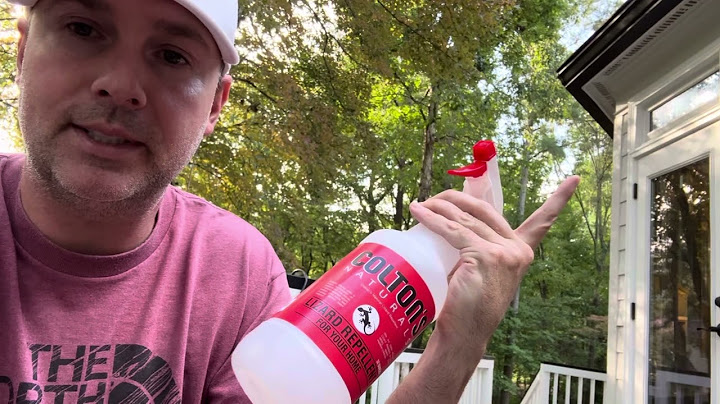
What about commercial iguana-repellent sprays?
Products may claim that garlic, oils, pepper, or unusual odors will repel iguanas, but claims are not the same as independent evidence. Weather, irrigation, new plant growth, animal motivation, and application methods can change outcomes. A treatment that appears to work during one brief observation might not prevent future visits.
Avoid assuming that natural ingredients are automatically safe. Concentrated oils and irritants can injure pets, wildlife, people, or plants. Do not create homemade poison mixtures, scatter chemicals in public spaces, or spray substances directly into an animal's eyes. Always check whether a product is legally approved for its intended use and follow the label. If you cannot establish safety and credible performance, invest in nonchemical exclusion instead.
Reduce opportunities that encourage repeat visits
Remove fallen fruit promptly, protect vegetable beds, and assess ornamental plants repeatedly browsed by iguanas. Consider whether a different plant choice might reduce damage in a particular location. Keep refuse secure and avoid intentionally feeding wild iguanas; repeated feeding can encourage animals to associate people and yards with food.
FWC also mentions habitat modification, intermittent noises, reflective objects, and water spray as potential humane deterrents. These approaches must be used safely and within local rules; they may be temporary and not every animal will respond. Intermittent devices should not create an ongoing nuisance for neighbors or disturb nesting birds. Good property planning is more reliable than treating a single noisemaker as a permanent cure.
Florida law and why it matters
Green iguanas are considered nonnative invasive animals in Florida. FWC describes certain removal options but also emphasizes anti-cruelty requirements and limits on the possession and relocation of captured animals. In particular, captured green iguanas must not simply be moved to another site and released. Rules involving live capture, permits, transport, and commercial activity have changed in recent years, so old videos and forum comments can be outdated.
Do not interpret general information about Florida's invasive-species rules as permission to use any capture or killing method. If you are uncomfortable or unfamiliar with wildlife handling, contact a professional nuisance-wildlife operator familiar with current regulations. A person who can handle a reptile legally and humanely is often better equipped to address repeat property conflicts than an improvised backyard trap.
A sensible property action plan
Start by identifying the exact damage: damaged ornamental plants, burrow entrances, repeated visits to a patio, or safety concerns near pets. Photograph the area and note when the problem occurs. Protect the highest-risk location first, reduce food attractants, and reassess after a reasonable interval. If burrows threaten infrastructure or the animal cannot be excluded safely, ask a local professional for a site evaluation.
Never corner or chase an iguana to demonstrate that a repellent works. Adult animals can bite, scratch, and use their tails defensively. Read are iguanas dangerous? for a clear explanation of household safety and why distance is important.
Frequently Asked Questions
What is the best iguana repellent for a Florida yard?
There is no single guaranteed spray. Food-source reduction, protection of valuable plants, and carefully designed barriers are practical starting points. Persistent problems may require professional advice.
Do shiny objects or wind chimes deter iguanas?
FWC lists reflective objects and intermittent noise among possible humane deterrents. Results can vary, and these devices should not replace property exclusion when sustained protection is needed.
Can I spray iguanas with chemicals to make them leave?
Do not apply harsh chemicals or improvised irritants to animals. Product claims require evidence and legal-label review; protecting access points is generally safer than trying to chemically repel wildlife.
Is it legal to relocate a captured iguana in Florida?
FWC states that captured green iguanas cannot be relocated and released elsewhere in Florida. Check current rules and use a qualified professional before any removal.
When should I call wildlife control?
Seek help when an iguana repeatedly enters a busy area, burrows threaten structures, or you cannot safely and humanely manage the property conflict. Verify local licensing and regulatory requirements.