Indiana Tornadoes: Historical Patterns and Safety
Indiana statewide tornado climatology and past-event data; clear state overview without claiming active warnings.
Indiana Tornadoes: Historical Patterns and Safety
Evergreen historical guide | Editorial reference: November 2026
Indiana tornadoes are a recurring severe-weather risk, but they do not happen only during one narrow 'tornado season.' The state has a long history of damaging storms, from the 1925 Tri-State Tornado to the April 1974 Super Outbreak and more recent outbreaks. This guide explains statewide patterns and where to verify historical records—not what warnings are active today.
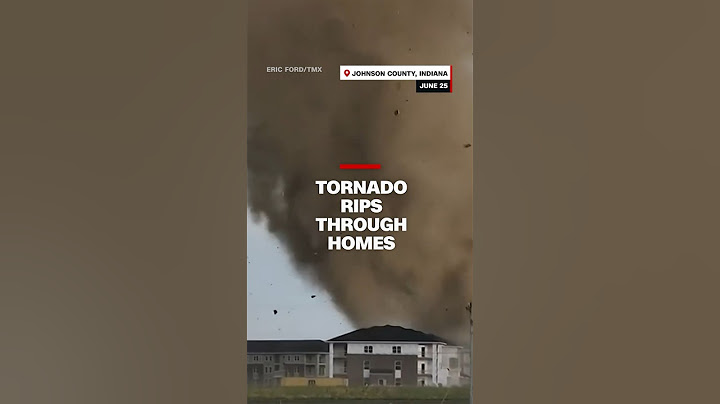
When are tornadoes most common in Indiana?
Spring and early summer are important periods for tornado awareness in Indiana. Warm, humid air and stronger winds aloft can combine to create environments favorable for rotating thunderstorms. That seasonal pattern is useful for planning, but it is not a calendar that guarantees safety in other months.
Indiana also has documented autumn and even cool-season outbreaks. The November 17, 2013 outbreak is an important reminder that dangerous tornadoes can occur when the calendar suggests that summer storm season has ended. Climate averages describe historical frequency, not whether an individual storm will form tomorrow.
Notable Indiana tornado events
The March 18, 1925 Tri-State Tornado crossed from Missouri through Illinois into Indiana and caused devastation in southwest Indiana, including Griffin, Owensville and Princeton. Because the event primarily involves a historically reconstructed interstate path, its dedicated article covers the route and uncertainties in greater detail.
Indiana was also severely affected by the April 3, 1974 Super Outbreak. The National Weather Service identifies the Monticello F4 tornado among the state's longest tracks, with a 109-mile route and 18 deaths. The state saw a major outbreak on June 2, 1990; an NWS outbreak list records 37 tornadoes associated with that date.
Why county-level history matters
A statewide headline cannot tell a resident how often a particular county has experienced confirmed tornadoes. Storm paths cross county borders, population density affects impact reports and older records are less complete than modern radar-and-survey documentation.
When researching Indiana tornado history, consult the appropriate National Weather Service forecast office's event archive and tornado statistics. County-level records can help identify past occurrences without asserting that a specific neighborhood will be hit again. A low historical count should never be presented as proof that a location is safe.
What a tornado rating does—and does not—tell you
Tornadoes before February 2007 are generally classified on the original Fujita scale (F0–F5), while later U.S. tornadoes use the Enhanced Fujita scale (EF0–EF5). The scales are related damage-rating frameworks, not interchangeable direct wind readings.
Comparing an F4 from 1974 with an EF4 today requires context about building practices, damage indicators and assessment methods. For household safety, the category matters less in the moment than immediately following a warning and reaching the best available shelter.
How to check current Indiana warnings
This page is a historical and seasonal overview. To check live risk, consult weather.gov, the relevant NWS office, reliable local alerts and official county emergency-management communications. A watch means tornado conditions are possible; a warning means protective action is needed.
Never wait to look up a historical annual average while a warning is in effect. Move to an interior, windowless space on the lowest floor of a sturdy structure; use a purpose-built tornado shelter when available. Avoid vehicles and manufactured homes when a safer permanent building is accessible.
Planning without overinterpreting the data
Make a household communication plan, decide where to shelter at home and work, set up multiple alert methods and account for people who may need assistance. A weather radio can help when a phone loses service or power.
For context beyond Indiana, compare our North Carolina tornado history guide. For a closer look at one of Indiana's most consequential historical tornadoes, see our Tri-State Tornado of 1925 feature. Neither related article replaces live weather warnings.
Frequently asked questions
Does Indiana have tornadoes every year?
Indiana has a recurring tornado risk, although yearly counts fluctuate; confirm specific statistics from NWS records.
What months are Indiana tornadoes most likely?
Spring and early summer are important periods, but tornadoes can occur outside them, including autumn.
What happened in the 1974 Indiana tornado outbreak?
The April 3, 1974 Super Outbreak produced multiple damaging tornadoes, including the long-track Monticello F4.
Are Indianapolis and other cities immune to tornadoes?
No. Urban areas are not immune; an individual storm track determines local exposure.
Where can I see current tornado warnings in Indiana?
Use the National Weather Service and local emergency-management alerts; this page does not provide live warnings.
Related reading
Related reading within this site:
/topic/tri-state-tornado-1925/
/topic/2013-moore-tornado/
/topic/north-carolina-tornadoes-history-risk/
Source notes for editorial verification
Check these authoritative publications when reviewing or updating the story. No external links are embedded in the article body.
National Weather Service Indianapolis — Central Indiana Tornado Statistics
National Weather Service Indianapolis — Top Indiana Tornado Outbreaks