Choose the Best Large Dog Crate Furniture
Learn how to select the perfect large dog crate furniture for big breeds, covering size, durability, comfort, and style.
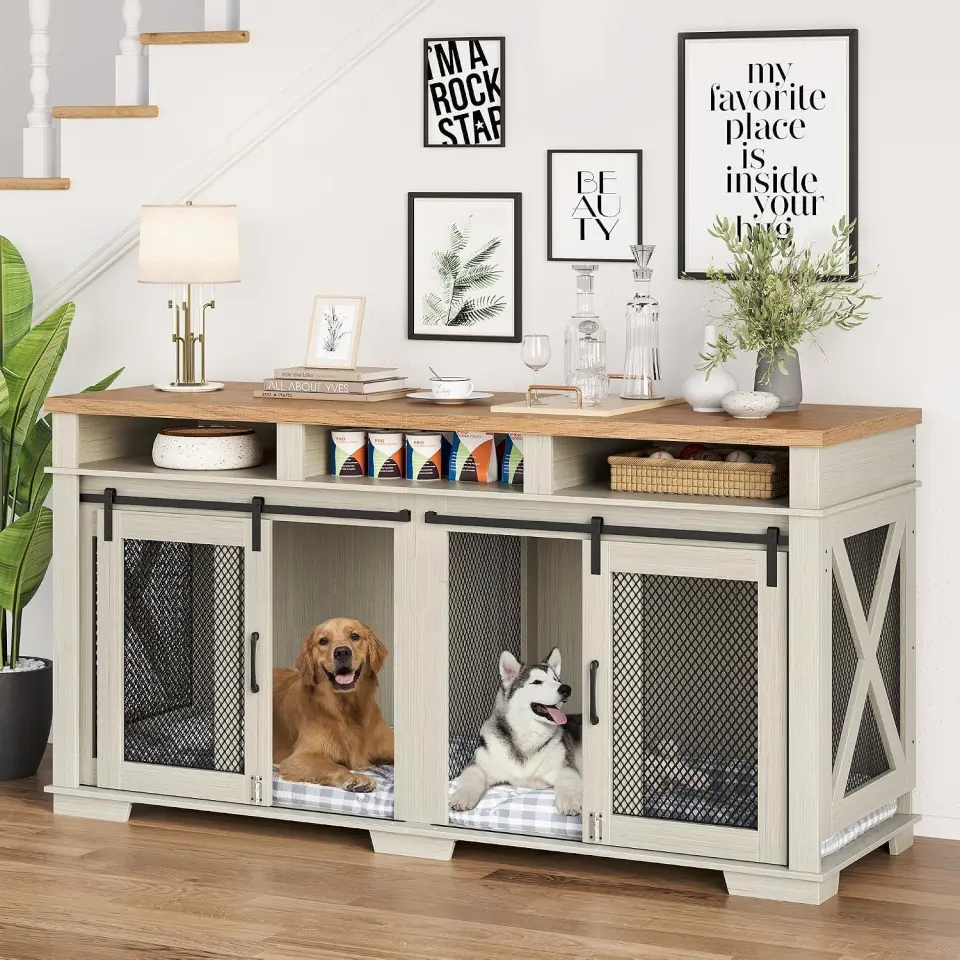
Choosing the right large dog crate furniture is essential for the comfort, safety, and well‑being of big‑breed pets. A well‑designed crate offers a secure retreat, promotes healthy sleep, and can even aid in training and behavior management. This guide focuses on the practical aspects that matter most—size, material durability, and the health benefits of a quality crate—so you can make an informed purchase that meets your dog’s needs and fits your home.
Size guide
When selecting a crate for a large dog, the first rule is to measure the animal’s full length from nose to tail tip, then add 2 to 3 inches for headroom and 4 to 6 inches for a comfortable width. For example, a 50‑pound Labrador typically requires a crate that is at least 48 inches long and 30 inches wide. This sizing ensures the dog can stand, turn around, and lie down without feeling cramped. It also reduces the risk of injury or stress that can arise from an overly tight space. In addition to length and width, consider the crate’s height. A taller crate allows the dog to stand upright, which is important for breeds that spend a lot of time standing, such as German Shepherds or Golden Retrievers. A height of 30 to 36 inches is common for large breeds. When evaluating a crate’s dimensions, compare the manufacturer’s specifications with your dog’s measurements. Many brands provide a sizing chart that correlates weight ranges with recommended crate sizes. If your dog falls near the upper limit of a size range, it’s safer to choose the next larger size. Finally, think about the crate’s placement. A large crate can be heavy, so ensure the floor or area where it will sit can support its weight and that the crate’s dimensions fit comfortably within the intended space. Proper placement reduces the risk of accidental tipping and keeps the crate accessible for cleaning and maintenance.
Material durability
The longevity of a large dog crate depends largely on the materials used in its construction. Metal crates, typically made from galvanized steel or stainless steel, are the most durable option. They resist dents, rust, and the chewing habits of many large breeds. Stainless steel, in particular, offers superior corrosion resistance and a smooth finish that is easy to wipe down. Wooden crates, often built from hardwoods like oak or maple, provide a warm aesthetic but require more maintenance. The wood must be sealed with a pet‑safe finish to prevent splinters and to resist moisture. A well‑finished wooden crate can last many years if it is regularly inspected for cracks or loose joints. Plastic crates are lightweight and inexpensive, but they are generally unsuitable for large breeds that may chew or push against the walls. Plastic can also warp under heat, compromising the crate’s structural integrity. A key factor in durability is the quality of the joints. Metal crates should have welded or riveted seams, while wooden crates should use strong dowel or screw connections. Look for crates that include reinforced corners and a sturdy base to support the weight of a large dog. Beyond structural strength, consider the crate’s interior surface. A smooth, non‑porous interior—such as a metal or sealed wood finish—reduces the risk of bacterial buildup and makes cleaning easier. For dogs that are prone to shedding or drooling, a crate with a removable, washable liner can further extend its lifespan. In summary, for long‑term durability, a metal crate with welded seams and a smooth interior is the best choice for most large breeds. If you prefer a wooden look, choose a hardwood crate with a sealed finish and reinforced joints, and be prepared to maintain it more regularly.
Comfort features
Choosing a crate that prioritizes comfort is essential for the well‑being of a large dog. The first indicator of comfort is the interior floor material. A padded, non‑slip surface such as a high‑density foam or a rubber mat prevents injuries from hard impacts and reduces the risk of joint strain during rest. For breeds that spend extended periods in the crate, a removable, washable pad also helps maintain hygiene and prevents bacterial buildup. Second, the crate’s interior should be spacious enough to allow the dog to stand, turn, and lie down without feeling cramped. A general rule is to provide at least 24 inches of width and 36 inches of length for a large breed, which accommodates most medium‑to‑large dogs comfortably. Third, ventilation is critical; a crate with multiple mesh panels or a fully mesh back ensures adequate airflow, preventing overheating and promoting healthy skin. Finally, consider the crate’s bedding options. A crate that accommodates a removable, machine‑washable mattress or a built‑in foam cushion allows owners to keep the interior fresh and supports the dog’s spine and joints. By focusing on these comfort features—padded flooring, ample space, proper ventilation, and washable bedding—owners can create a safe, restful environment that supports both physical and mental health.
Style options
Large dog crate furniture comes in a variety of styles that blend functionality with home décor. One popular trend is the “modern loft” design, featuring clean lines, neutral colors, and a steel frame that can be painted to match interior walls. These loft crates often include a built‑in shelf or storage compartment for toys and treats, adding convenience without sacrificing aesthetic appeal. Another style is the “rustic barn” crate, which uses reclaimed wood and natural finishes to create a warm, country look. These crates typically have a solid wood frame and a removable, fabric‑lined interior that can be customized with patterns or colors. For owners who prefer a more traditional approach, the “classic kennel” style offers a solid metal frame with a removable plastic or canvas cover, allowing for easy cleaning and a timeless appearance. Additionally, many manufacturers now offer modular crates that can be expanded or reconfigured, enabling owners to adapt the space as their dog grows or as home décor changes. When selecting a style, consider the overall design of your living space, the durability of the materials, and how easily the crate can be integrated into existing furniture arrangements. By aligning the crate’s style with your home’s aesthetic, you can ensure that the large dog’s enclosure is both functional and visually harmonious.
Safety tips
When selecting a large dog crate or kennel furniture, safety should be the top priority. The first consideration is the structural integrity of the crate. Look for double‑walled or reinforced frames made from heavy‑gauge steel or solid hardwood, as these materials can withstand the force of a large dog pushing against the walls. Avoid crates that rely solely on plastic or thin metal, which may bend or break under pressure. The hinges and locking mechanisms should be robust and designed to prevent accidental opening. Many reputable manufacturers use heavy‑duty latch systems that lock securely and are tamper‑proof, ensuring the dog cannot escape or injure itself.
Another key safety factor is the crate’s floor. A non‑slip surface protects against injuries if the dog slips or falls. Rubber mats or textured vinyl flooring are ideal, as they provide traction and are easy to clean. If the crate has a removable floor, choose one that is thick enough to absorb impact and prevent the dog from digging through. Additionally, consider the crate’s ventilation. Proper airflow reduces the risk of overheating and ensures the dog remains comfortable. Look for crates with multiple mesh panels or adjustable vents that allow fresh air to circulate while maintaining privacy.
The crate’s size directly affects safety. A crate that is too small forces the dog to stand or lie in an unnatural position, which can lead to joint strain or breathing issues. Measure your dog’s length from nose to base of tail and add at least 12 inches for length and 6 inches for height. This ensures the dog can stand, turn, and lie down comfortably. A cramped space also increases stress, which can lead to destructive behavior. Conversely, an oversized crate can be a hazard if the dog can climb out or if the crate’s structure is not designed to support the larger footprint. Always verify the manufacturer’s weight limit and compare it to your dog’s weight.
Safety extends to the crate’s placement. Position the crate on a stable, level surface away from high traffic areas to prevent accidental knocks. If the crate is on a floor, use a non‑slip mat underneath to keep it from sliding. For outdoor use, secure the crate with a tether or anchor to prevent it from being blown away by wind or moved by curious animals. Finally, regularly inspect the crate for wear and tear. Check hinges, locks, and the frame for cracks or loose screws. Replace or repair any damaged components promptly to maintain a safe environment for your dog.
