Choosing the Right Kennel for Your Medium‑Sized Dog
Learn how to pick the perfect medium dog kennel – size, material, indoor vs outdoor options, and travel tips – so your pup stays safe and comfortable.
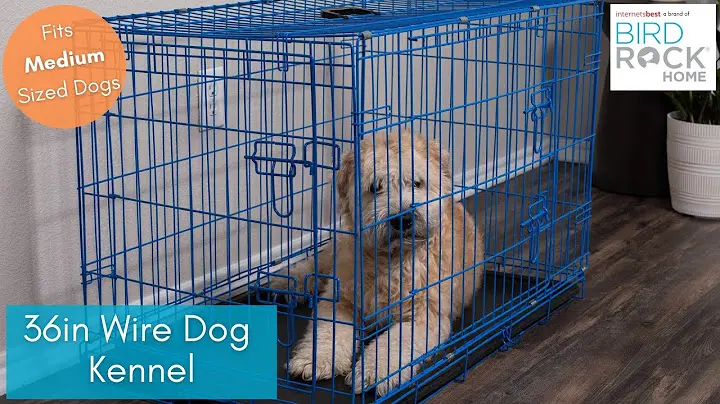
Choosing a medium dog kennel is a balance between comfort, safety, and practicality. Medium‑sized dogs—typically 20 to 50 pounds—require a space that feels like home yet offers enough room for movement. This guide walks you through the key factors that influence your decision, from sizing and layout to material durability and indoor versus outdoor suitability. By the end, you’ll know exactly what to look for so your pup stays safe, comfortable, and happy in its new kennel.
Size guide
The first step in selecting a medium dog kennel is determining the correct size. A kennel that is too small can cause discomfort and anxiety, while an oversized kennel may feel like a prison and increase the risk of escape. A practical rule of thumb is to choose a kennel that allows the dog to stand, turn around, and lie down comfortably. For a dog weighing 20 to 30 pounds, a kennel measuring 36 inches long, 24 inches wide, and 24 inches high is typically sufficient. For dogs on the higher end of the medium range, up to 50 pounds, a kennel of 48 inches by 30 inches by 30 inches provides ample space. When measuring, consider the dog’s height at the shoulder and the length of its body. A kennel should be at least 10 to 12 inches longer than the dog’s body length and 6 to 8 inches taller than its shoulder height. This ensures that the dog can stand upright without feeling cramped. Additionally, the kennel’s floor area should be at least 1.5 times the dog’s body length to allow for natural movement. Another factor is the kennel’s layout. A single‑room kennel with a solid floor is ideal for indoor use, while a multi‑room kennel with a separate sleeping area can be beneficial for larger medium dogs that need a quiet space. For outdoor use, a kennel with a solid floor and a roof or awning is essential to protect against weather extremes. The kennel’s door size should be large enough for the dog to enter and exit comfortably—typically 18 to 20 inches wide for medium dogs. In addition to physical dimensions, consider the kennel’s portability. If you plan to travel or move the kennel frequently, a lightweight model with a folding frame can be advantageous. However, ensure that the folding mechanism is sturdy and the kennel can lock securely in place. A well‑designed kennel will combine adequate size with a secure, stable structure, providing a safe haven for your medium‑sized companion.
Material options
Material selection is critical for durability, safety, and comfort. The most common kennel materials are metal, plastic, and wood, each with distinct advantages and trade‑offs. Metal kennels, typically made from galvanized steel or aluminum, offer the highest level of durability and security. Their sturdy construction resists chewing, scratching, and environmental wear. Metal kennels are ideal for outdoor use because they can withstand wind, rain, and temperature fluctuations. However, metal can become hot in direct sunlight or cold in winter, so adding a non‑metal floor or a removable bedding pad can mitigate temperature extremes. Plastic kennels, often constructed from high‑density polyethylene (HDPE), are lightweight and easy to clean. They are a popular choice for indoor use because they are inexpensive and come in a variety of colors and designs. Plastic kennels are also resistant to rust and corrosion, making them suitable for damp environments. The downside is that plastic can crack under heavy chewing or extreme temperatures, and it may not provide the same level of security as metal. Wooden kennels offer a natural aesthetic and can be customized with insulation or decorative finishes. They are generally heavier and require more maintenance to prevent rot or mold. Wood can provide a comfortable, warm environment for indoor use, but it is less suitable for outdoor settings unless properly sealed and treated. Wood also tends to be less secure against determined chewers, so it is best paired with reinforced metal frames. Hybrid designs combine the strengths of multiple materials. For example, a metal frame with a plastic interior can provide structural integrity while keeping the kennel lightweight and easy to clean. Some manufacturers also offer metal kennels with insulated panels or removable plastic floors to balance durability with comfort. When choosing a material, consider the dog’s behavior. A dog that chews frequently may benefit from a metal kennel with reinforced panels, while a gentle dog may be fine with a sturdy plastic model. Also, think about the kennel’s intended environment: outdoor use demands weather‑resistant materials, while indoor use prioritizes ease of cleaning and aesthetic appeal. By matching material to use‑case and dog behavior, you can ensure a safe, comfortable, and long‑lasting kennel for your medium‑sized companion.
Indoor vs outdoor
Choosing between an indoor or outdoor kennel for a medium‑sized dog hinges on climate, space, and the dog’s temperament. Indoor kennels, typically made of steel or heavy‑duty plastic, provide a controlled environment that protects pets from extreme temperatures, rain, and pests. They are ideal for homes with limited yard space or for dogs that prefer a quieter, more secure setting. However, indoor kennels can become hot in summer and cold in winter unless paired with proper ventilation or insulation. Outdoor kennels, often constructed from wood or metal with weather‑resistant coatings, allow dogs to experience fresh air and natural light. They are suitable for dogs that enjoy spending time outside and for owners who have a fenced yard. Outdoor models usually feature larger openings for ventilation and may include a roof or awning for shade. The decision should consider the dog’s activity level, the local climate, and how often the kennel will be used. A well‑designed indoor kennel can be just as comfortable as an outdoor one if it includes adequate airflow, a non‑slip floor, and a removable bedding area. Conversely, an outdoor kennel that is too small or poorly ventilated can create heat stress or dampness, which can lead to respiratory issues. Thus, evaluating the dog’s needs and the home environment is essential before selecting the type of kennel.
Travel considerations
When a medium dog travels, the kennel must meet safety, comfort, and regulatory standards. First, size is critical: the kennel should allow the dog to stand, turn around, and lie down comfortably. A common guideline is to add 12–18 inches to the dog’s length for the kennel’s interior length and 6–8 inches for width. Second, material matters; steel or high‑strength plastic kennels offer durability and are less likely to dent or break under impact, making them preferable for car or plane travel. Third, ventilation is essential; kennels with multiple mesh panels or adjustable vents keep air circulating, preventing overheating. Fourth, secure locking mechanisms are required for both car and airline use; a double‑lock system ensures the kennel remains closed during transit. Fifth, weight is a factor; lighter kennels reduce the load on the vehicle and are easier to handle. Many airlines have specific kennel dimensions and weight limits, so checking the carrier’s policy before purchasing is prudent. For road trips, placing the kennel in the trunk or back seat with a seat belt or harness attachment keeps the dog restrained and reduces distraction. For air travel, kennels must fit under the seat or in the cargo hold, and the dog’s crate must be labeled with the owner’s contact information and a health certificate if required. Finally, acclimating the dog to the kennel before the trip—by allowing short, positive stays—helps reduce anxiety and ensures a smoother travel experience.
